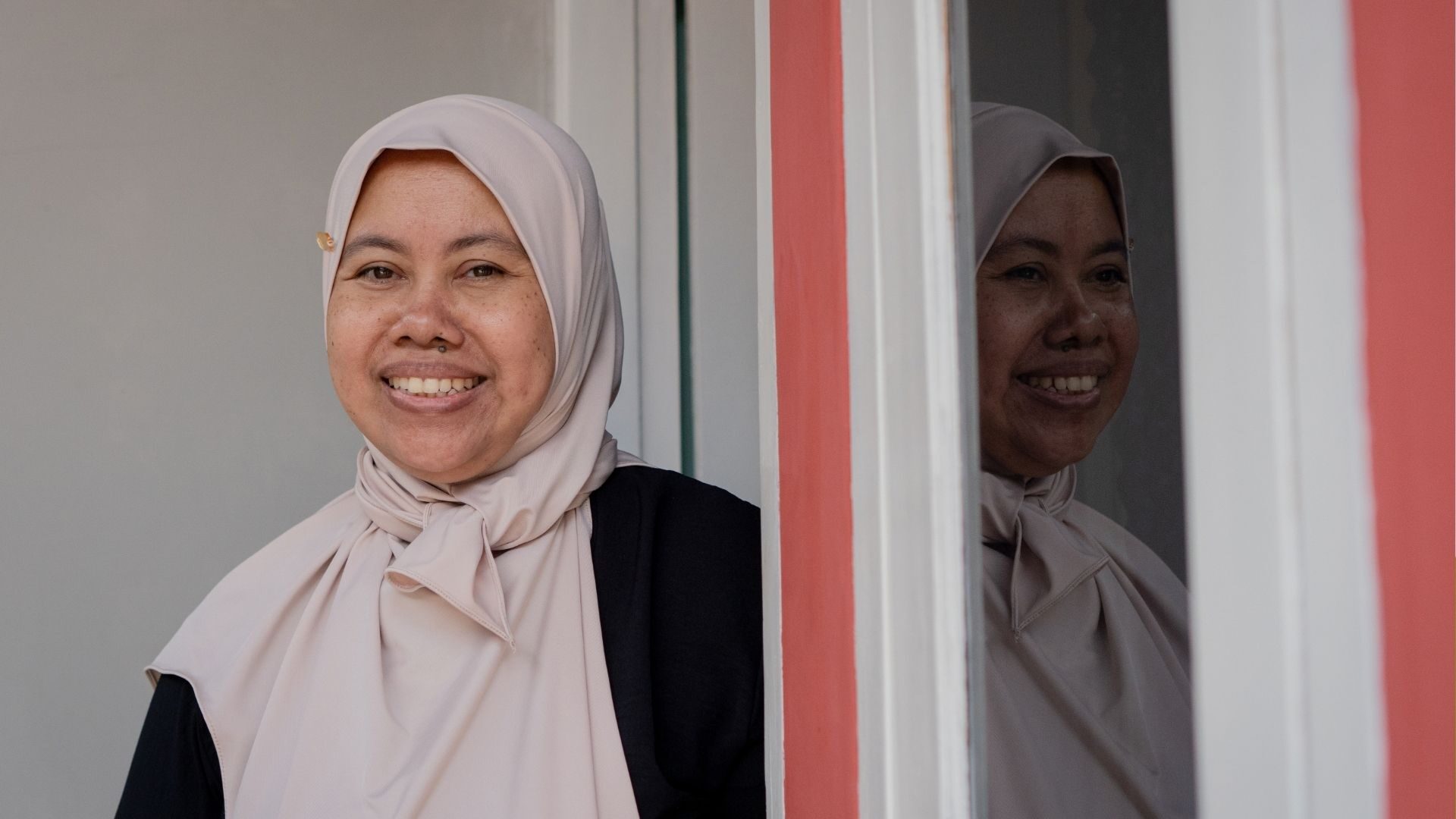
Behind the Walls of an Old Rented House: Ibu Meilina’s Journey Toward a New Home of Hope
Bogor, October 6, 2026 – Every morning at four o’clock, while Gunung Putri in Bogor Regency is still wrapped in cool air and silence, Ibu Meilina (46) is already awake. Without wasting a moment, she prepares for her demanding daily routine—from offering her morning prayers and tidying up the house to ironing clothes for her only son, who currently works as an Office Boy (OB).
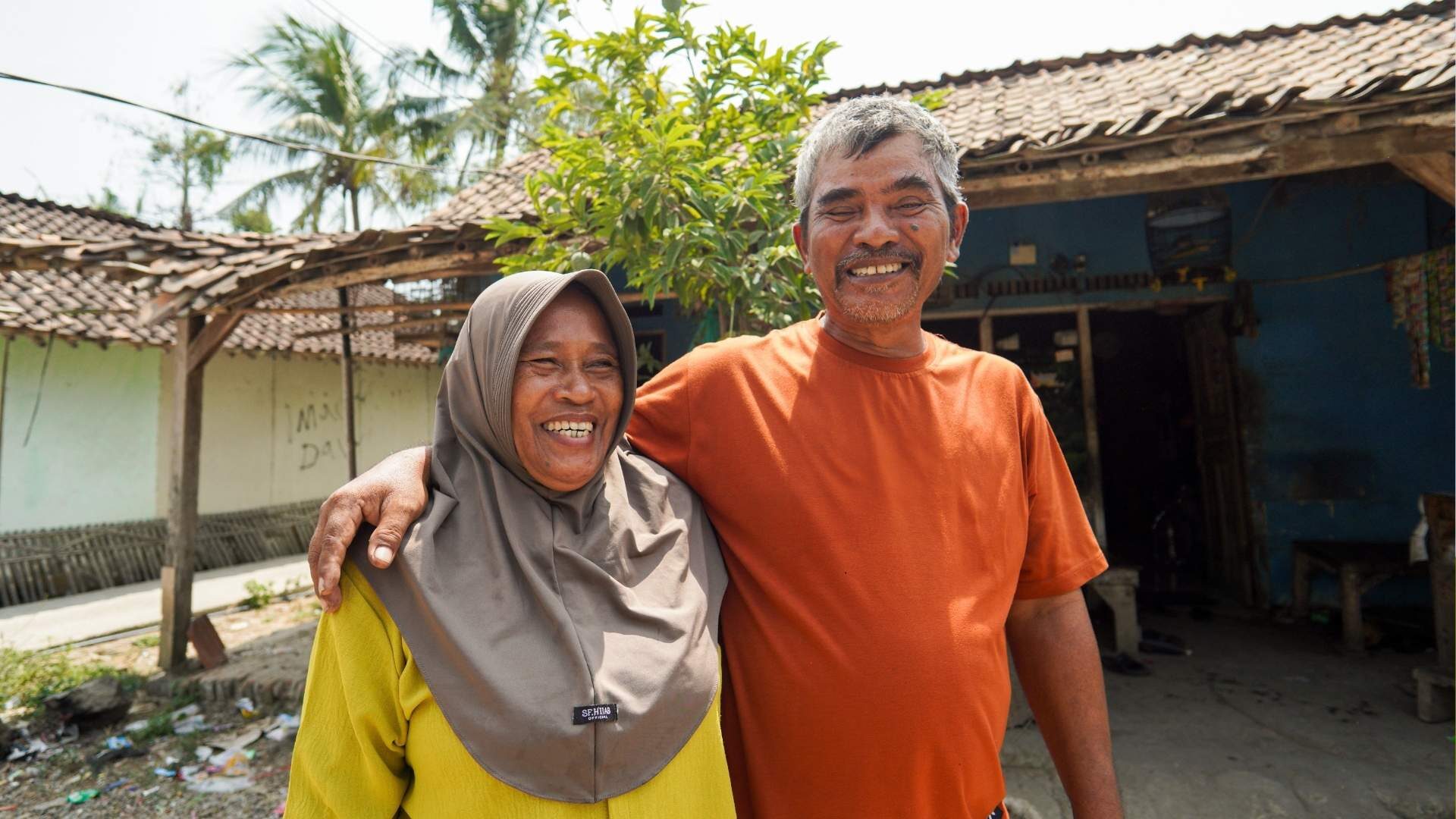
For a female head of household who has fought alone for decades, every morning marks the start of a new battle. Recently, however, a noticeable change has appeared on Ibu Meilina’s face and in her posture. Gone is the anxiety when looking up at the ceiling, and gone is the dread of rainwater dripping directly onto her bed. Behind the simplicity of her new home, Ibu Meilina can finally breathe a sigh of relief and reclaim a sense of peace that had been missing for so long.
A Long Struggle and Crumbling Walls
Ibu Meilina’s path in life has been anything but easy. Her struggle began in 2004 when she made the difficult decision to separate from her husband and become a single parent. From that point forward, the entire burden of making a living and raising her son rested solely on her shoulders.
A hardworking woman, Ibu Meilina spent over a decade working as a factory employee. Life dealt a heavy blow when her health suddenly deteriorated. Ovarian cysts forced her to undergo two major surgeries, causing both her physical well-being and financial stability to collapse. “I was sick with cysts for about 10 years. After recovering from surgery, I immediately started working as a domestic worker in 2022,” Ibu Meilina recalled, remembering when her physical strength began to fade.
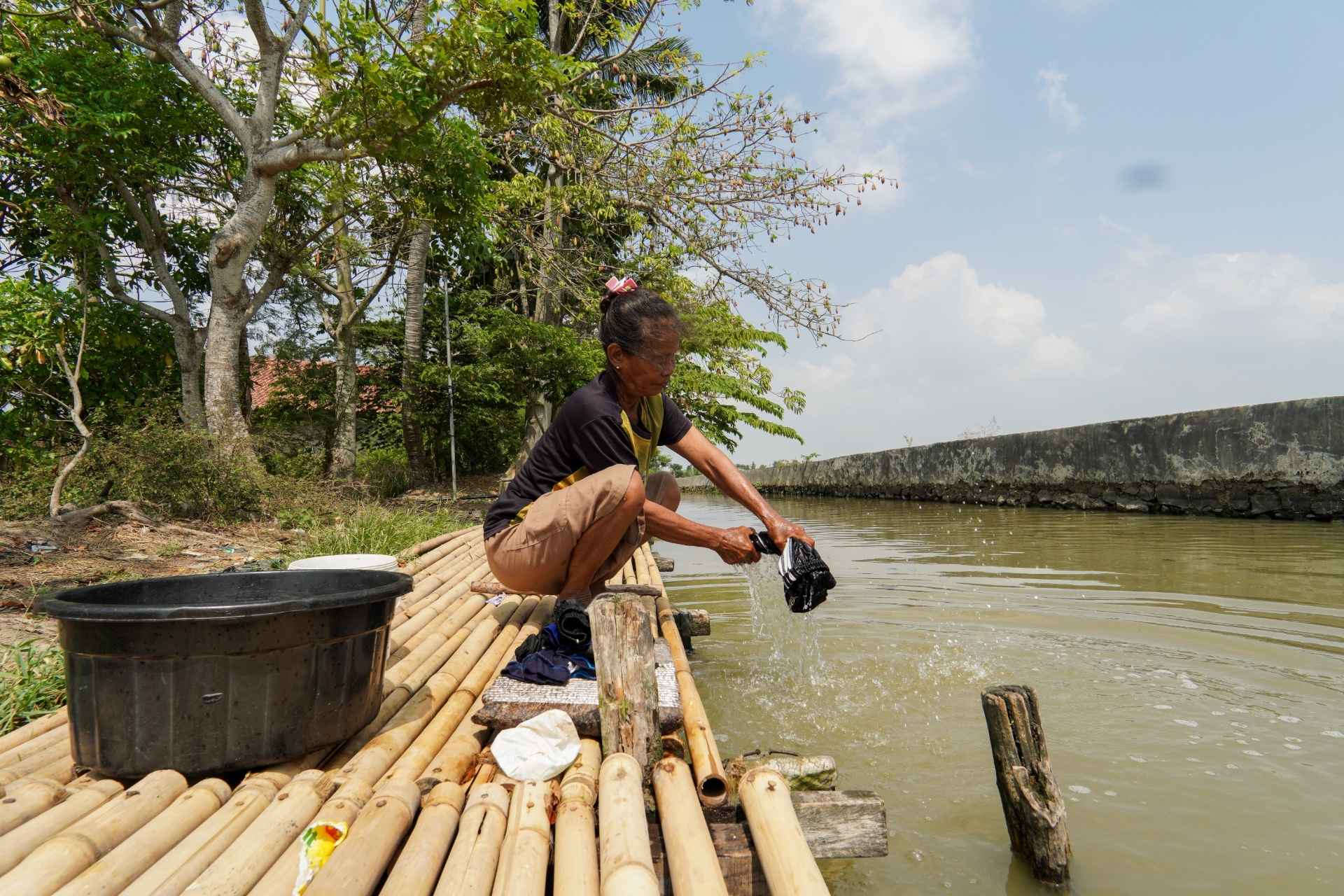
Unable to sustain heavy factory labor, she transitioned to working as a domestic helper. Washing, mopping, and ironing at her employer’s home earned her around IDR 700,000 to IDR 1,000,000 per month—just enough to cover basic daily food expenses.
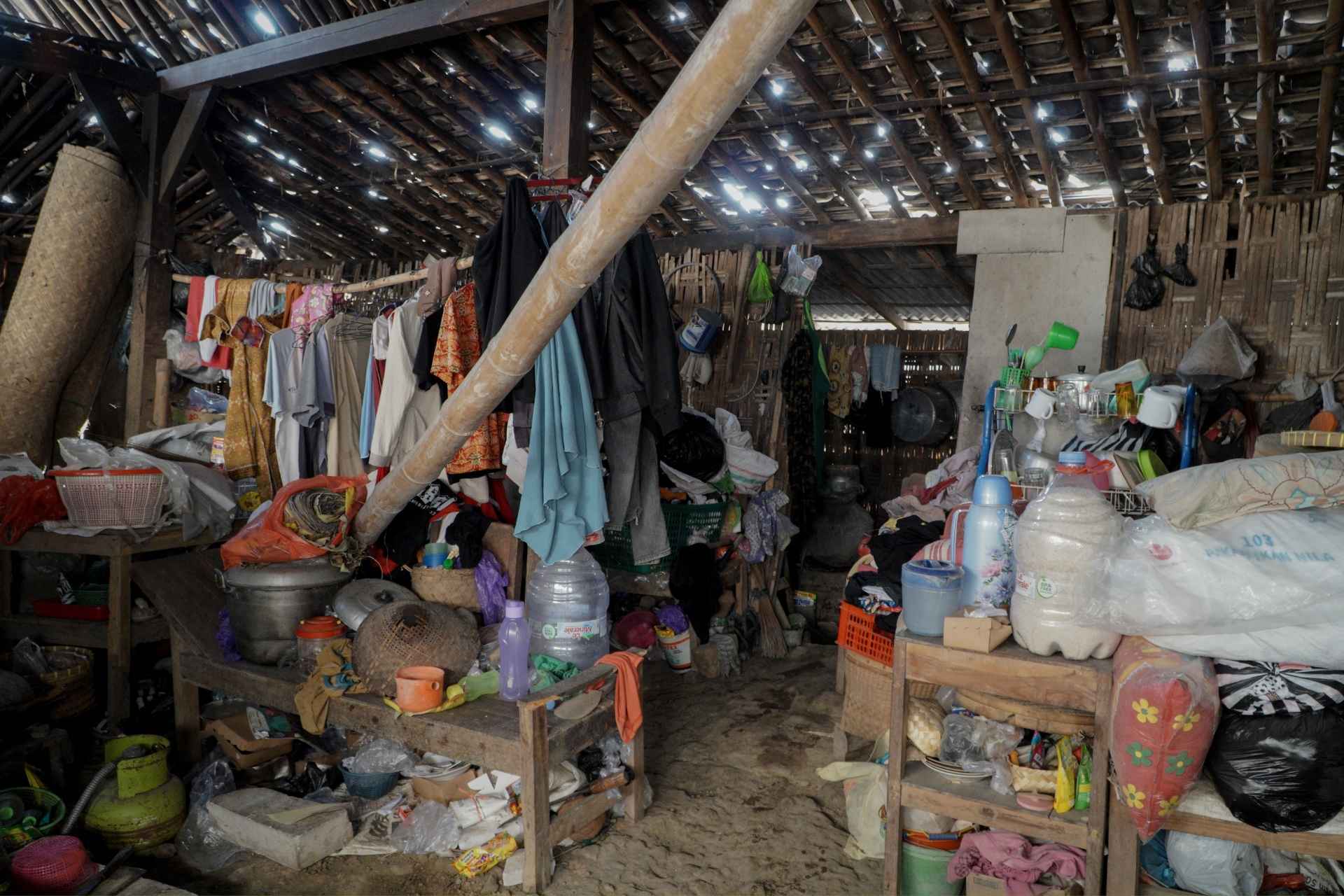
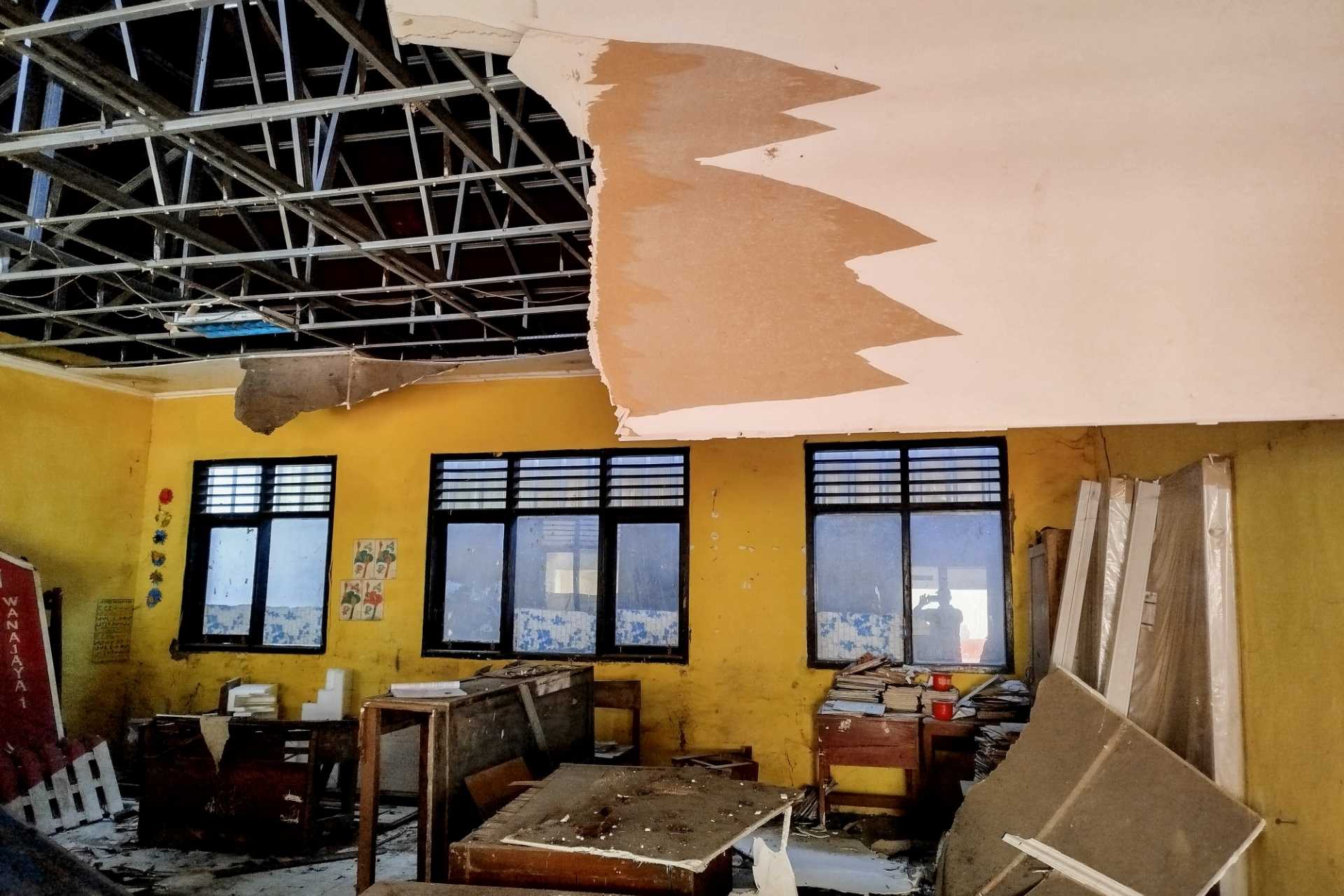
With such limited income, the dream of renovating her living space felt entirely out of reach. Ibu Meilina and her son were forced to endure living in an uninhabitable former rented house owned by her family. “Our old home was actually a former rented unit. The entire roof leaked… The doors were broken and no longer fit for use,” she shared, reflecting on their harsh living conditions.
A Turning Point and the Arrival of New Hope
That fading hope began to flicker back to life when neighbors and local village officials noticed her dire situation. Following an application for assistance routed through local community leaders (RT and RW), Ibu Meilina’s story reached the team at Habitat for Humanity Indonesia.
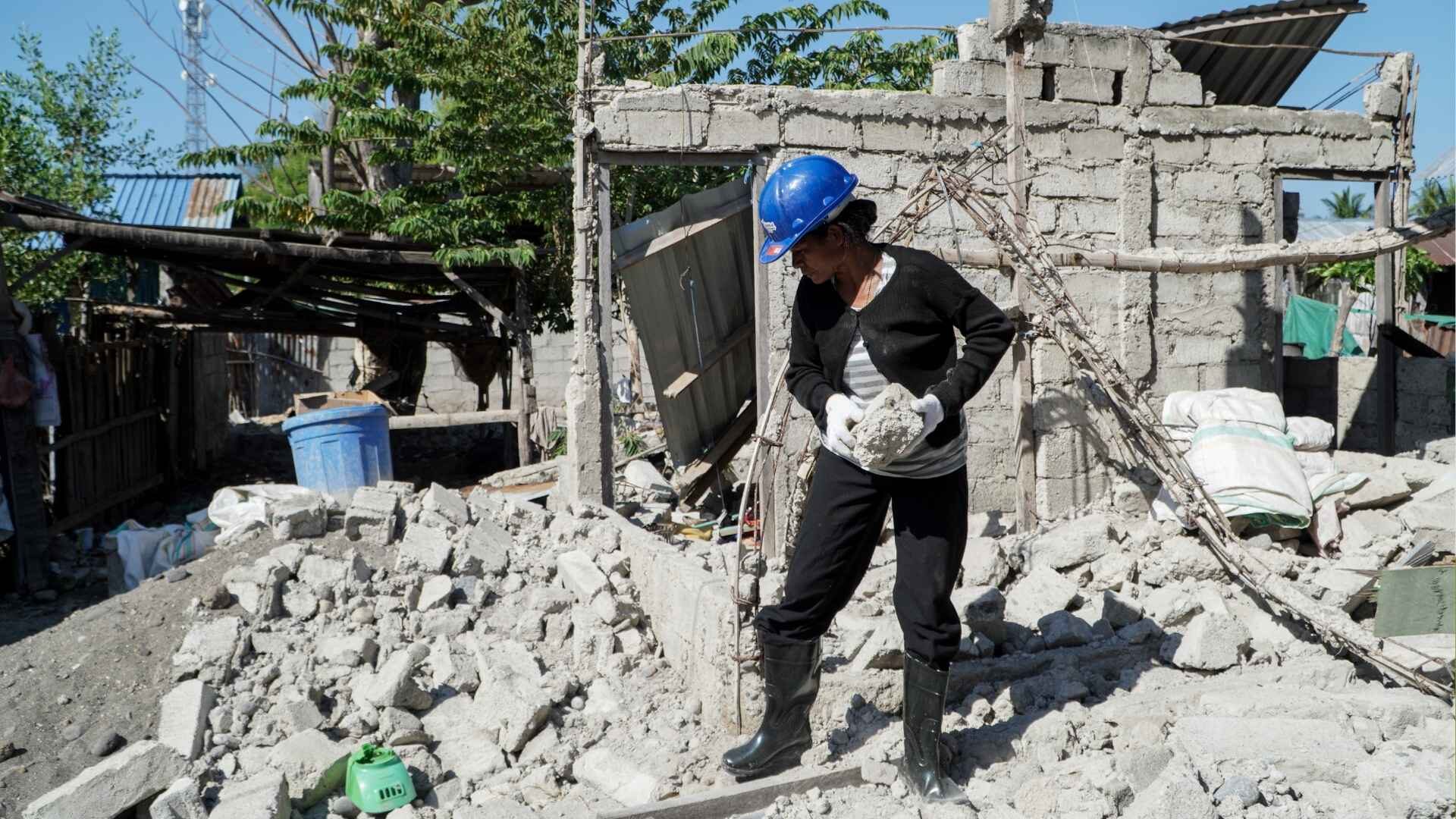
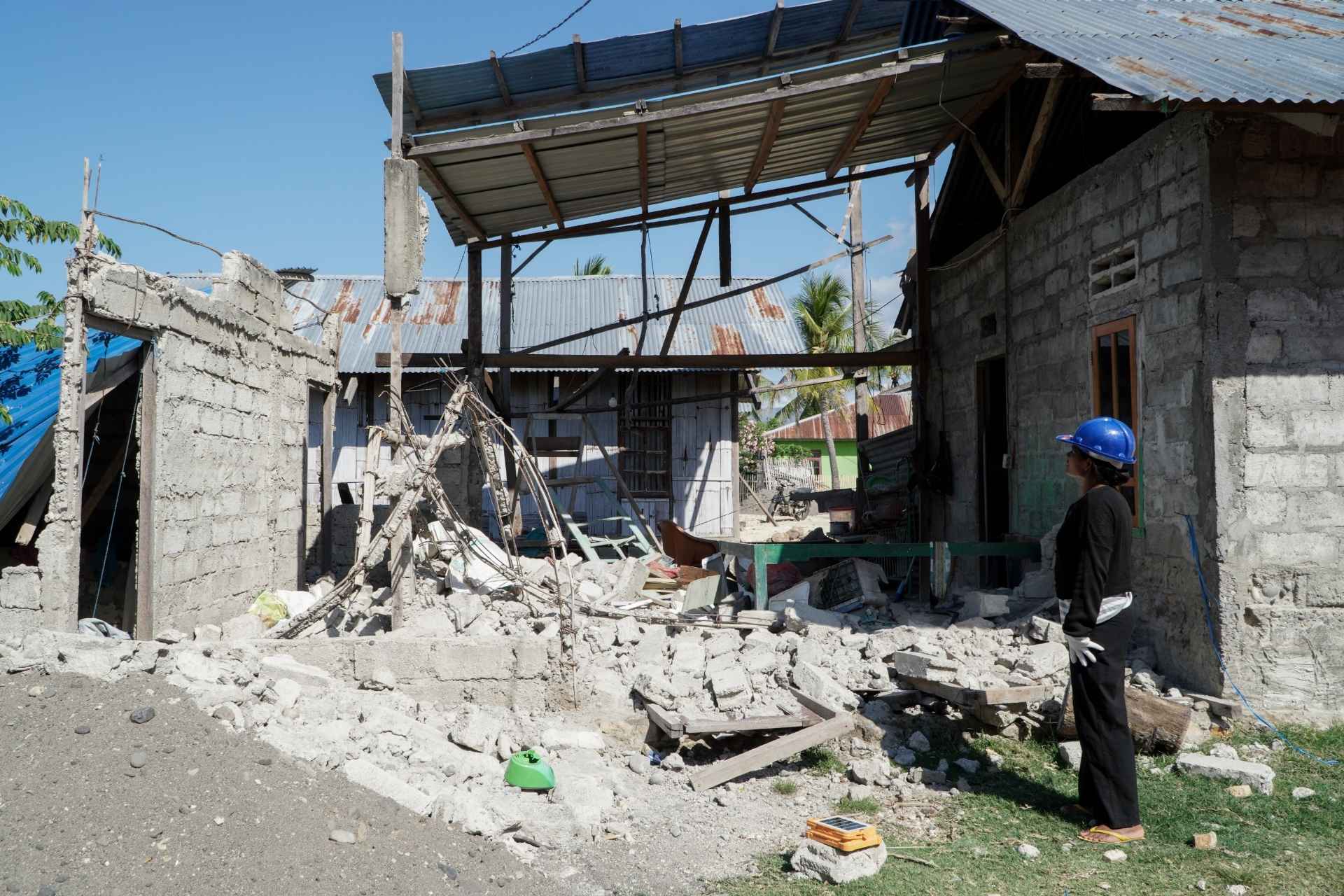
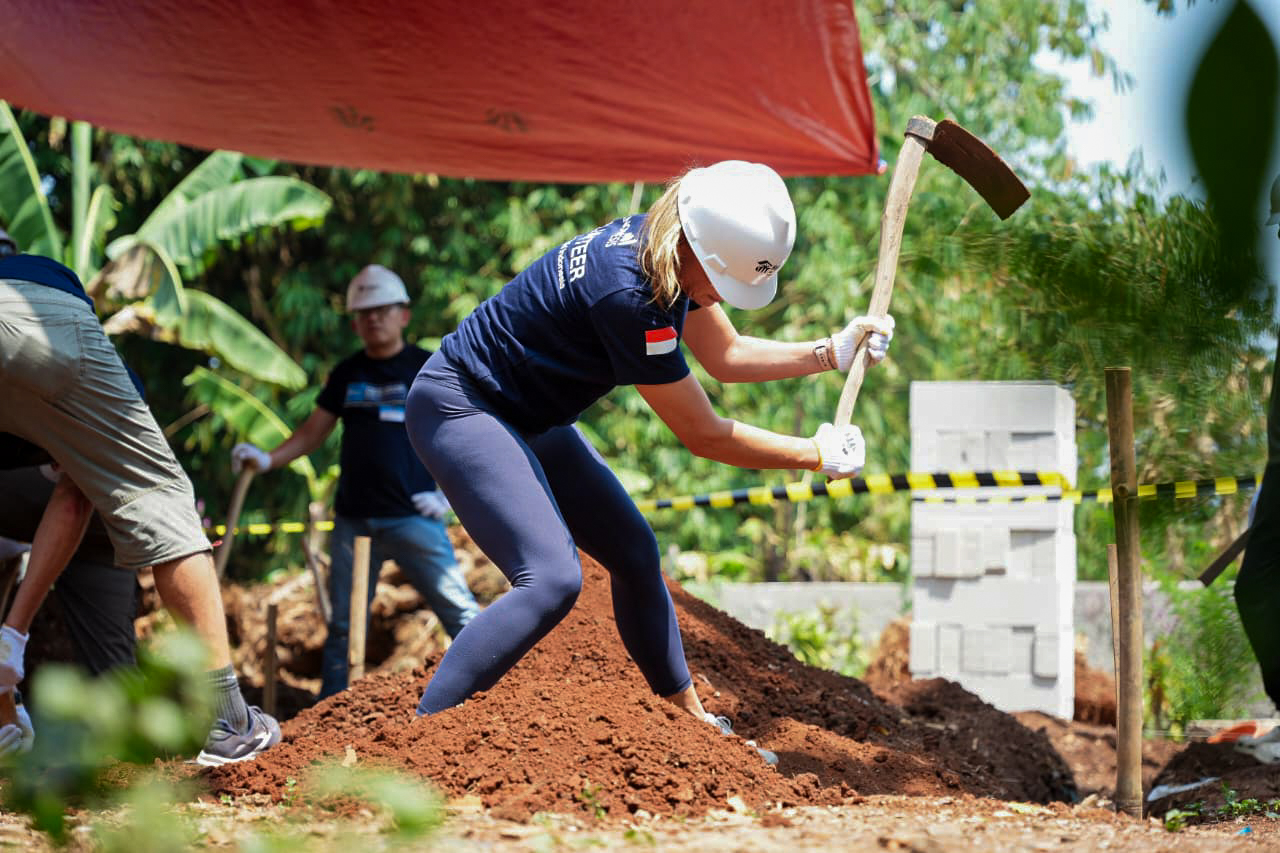
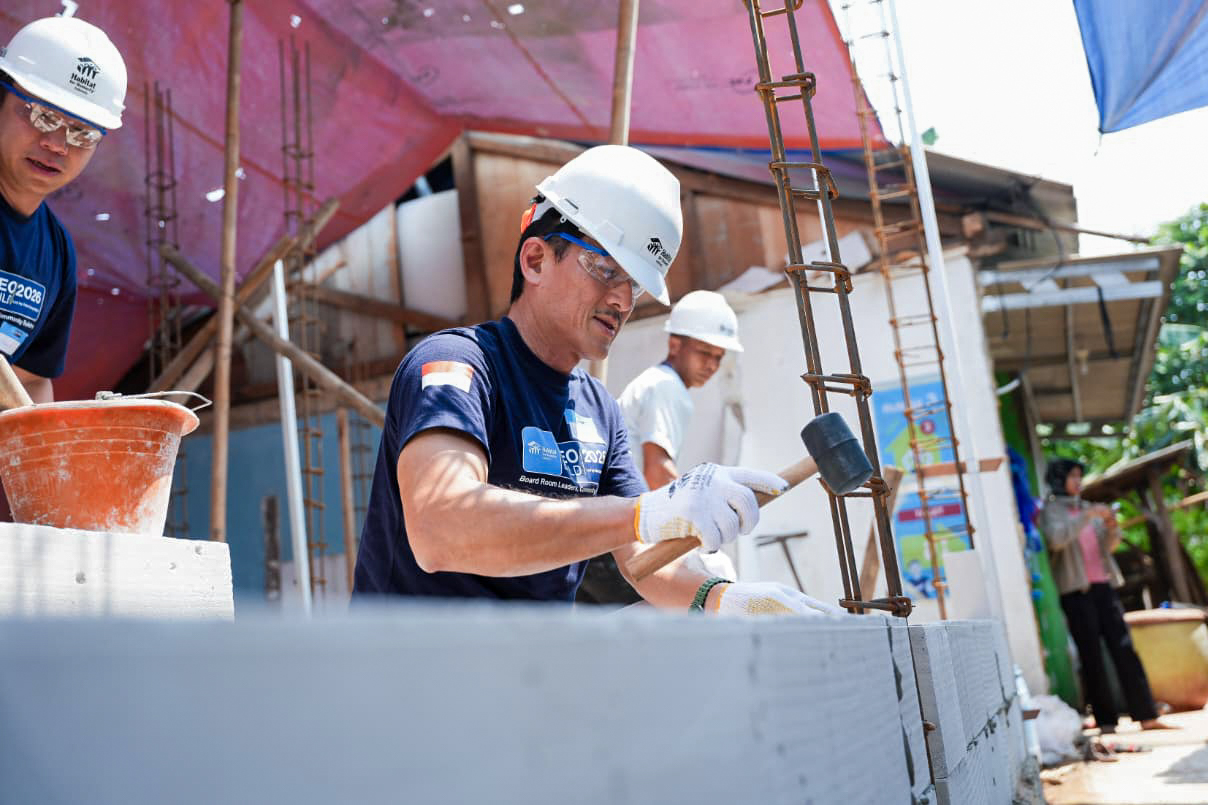
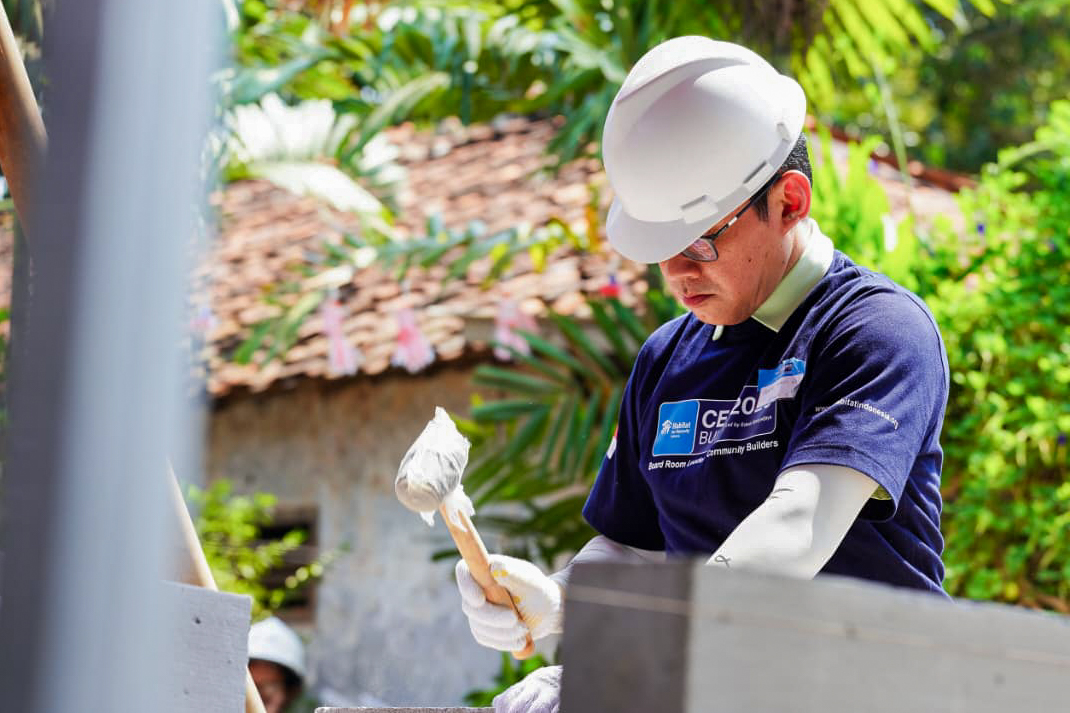
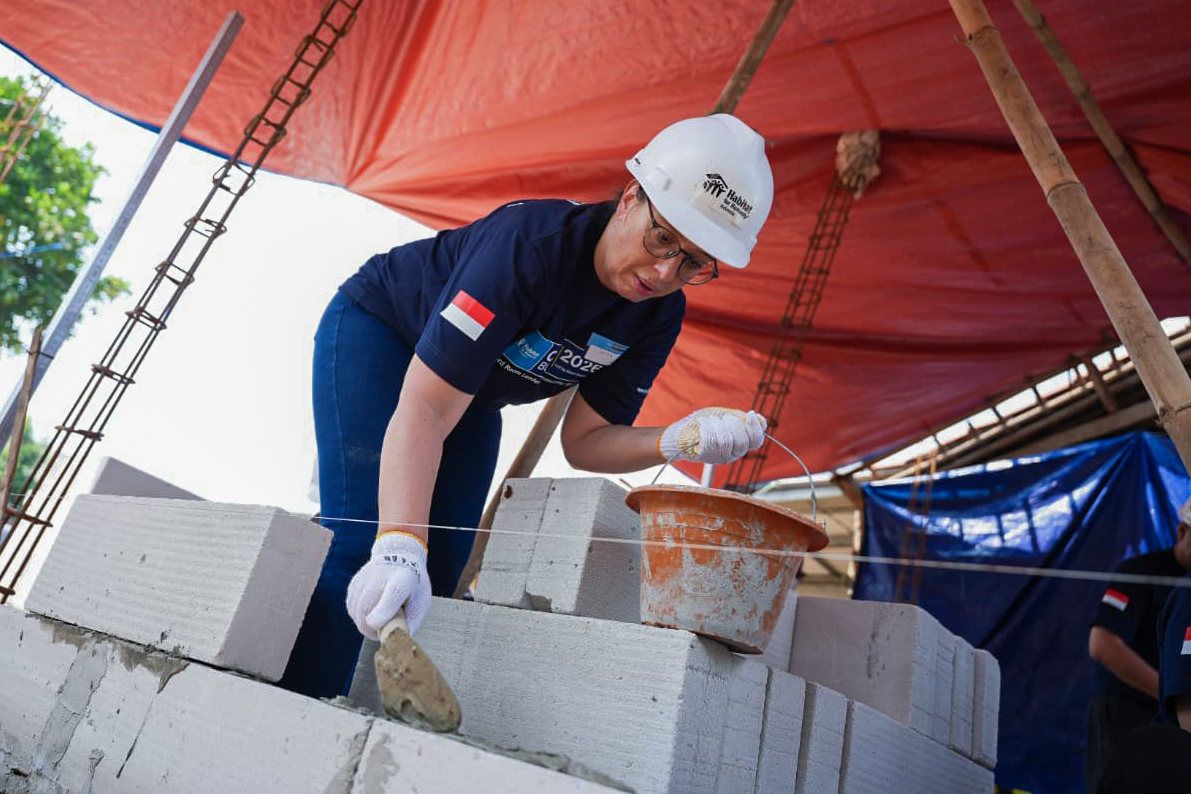
Through collaboration and shared care with Prudential Indonesia, concrete steps to change this small family’s fate began. The dilapidated and unsafe structure was demolished to make way for a sturdy new foundation. Day by day, a safe, healthy, and decent home rose in its place.
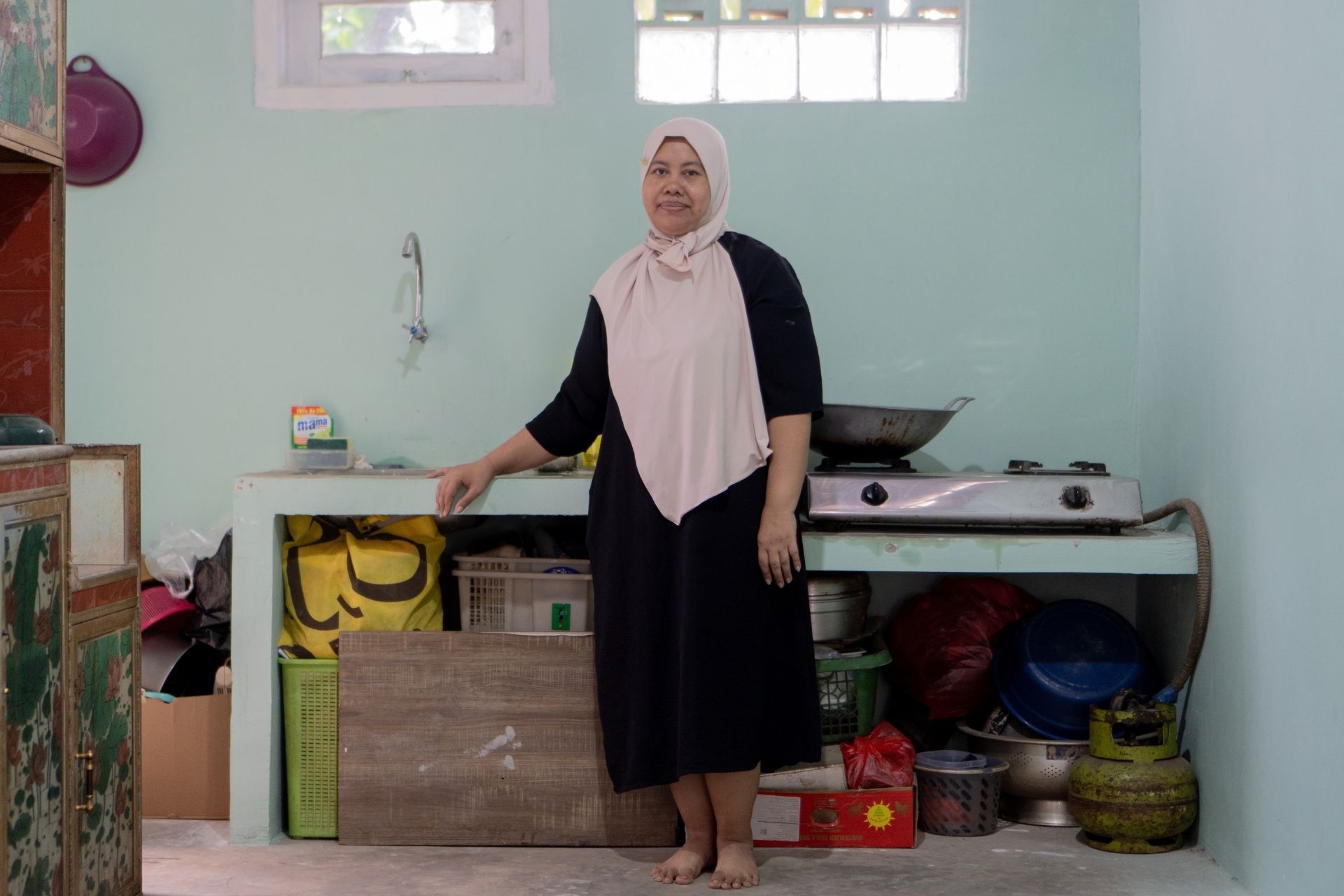
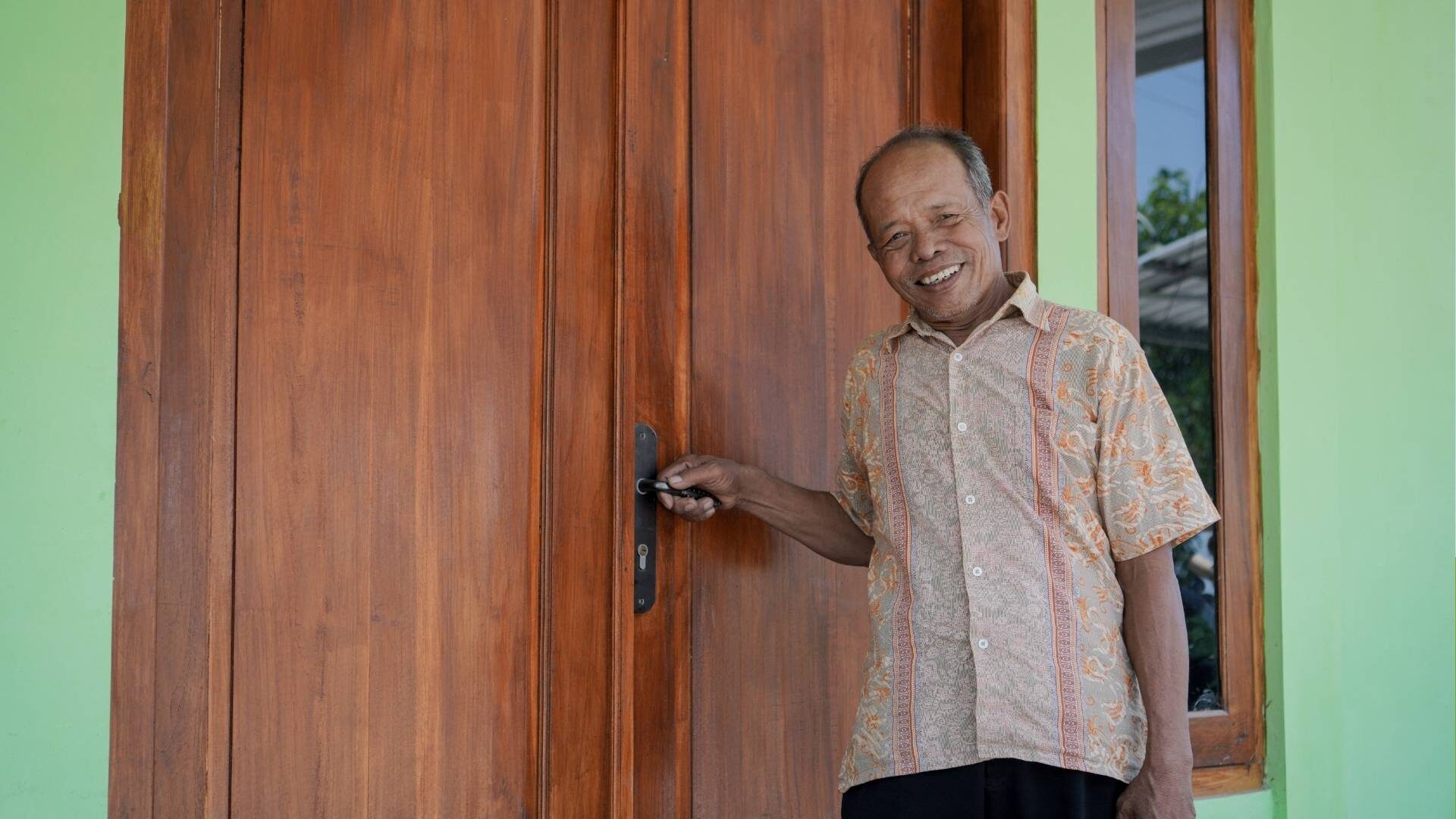
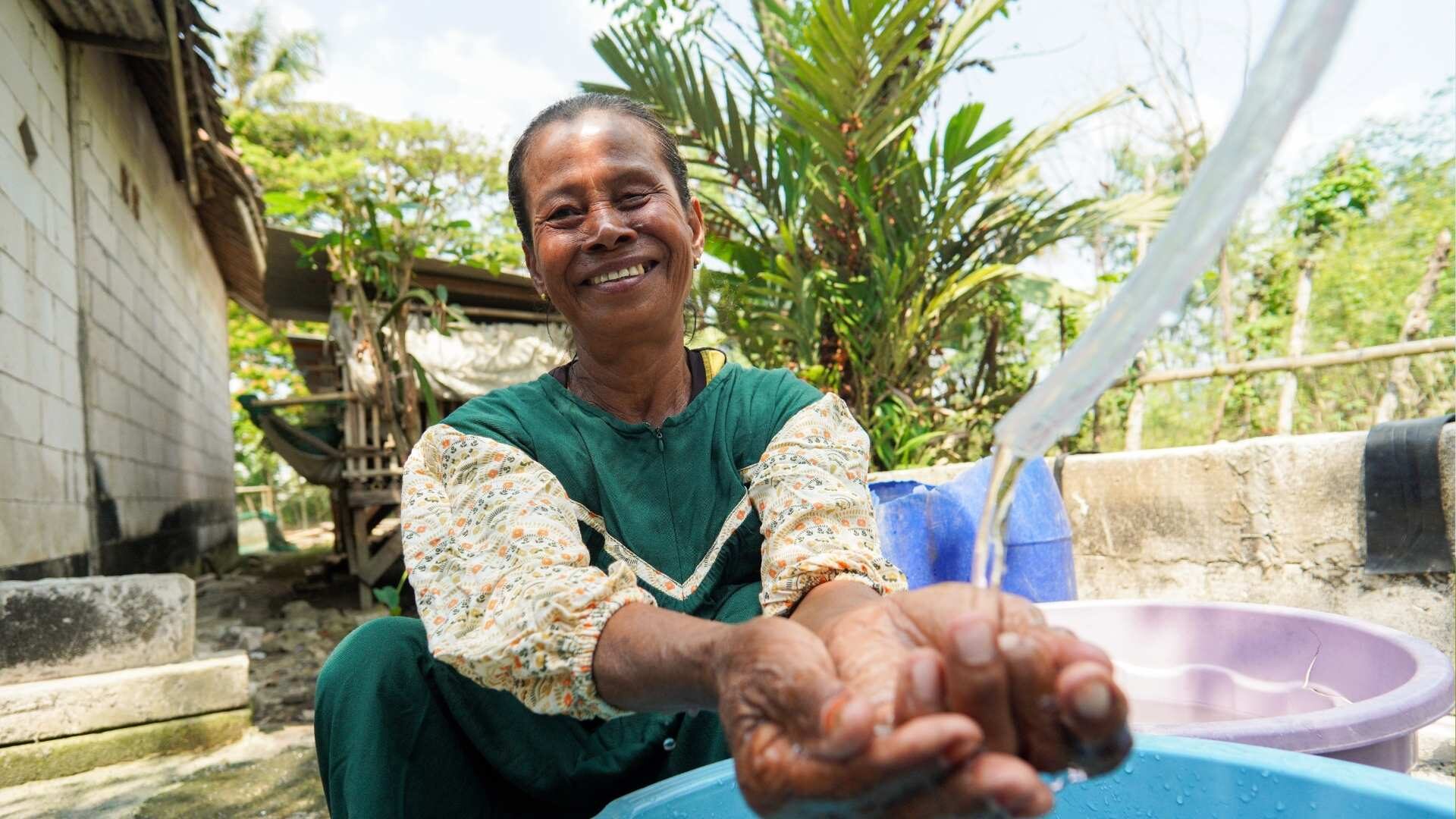
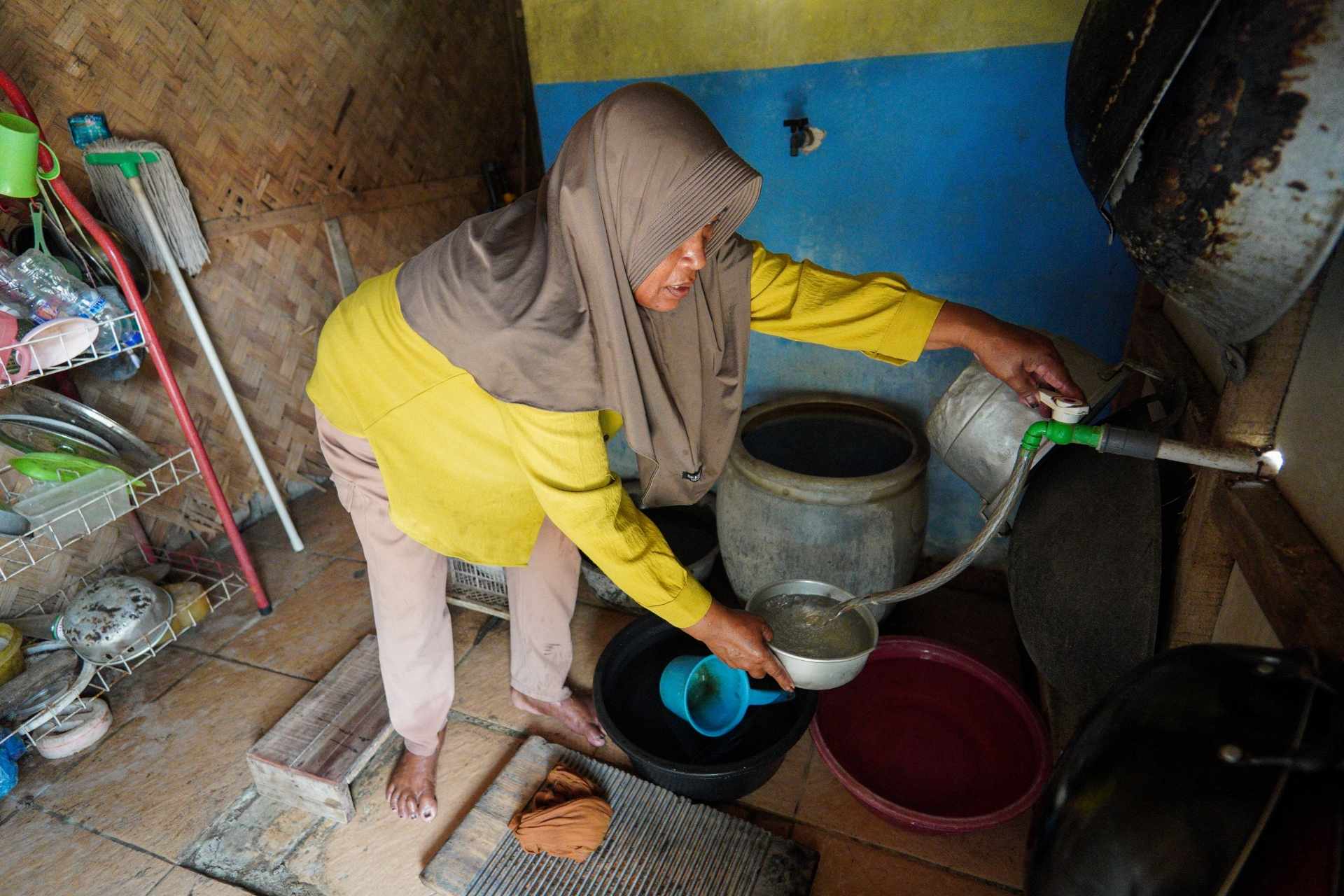
A portrait of Meilina inside her newly renovated home in Bogor Regency, West Java. Photo: HFHI/Kevin Herbian
New Home, New Spirit, and Blossoming Dreams
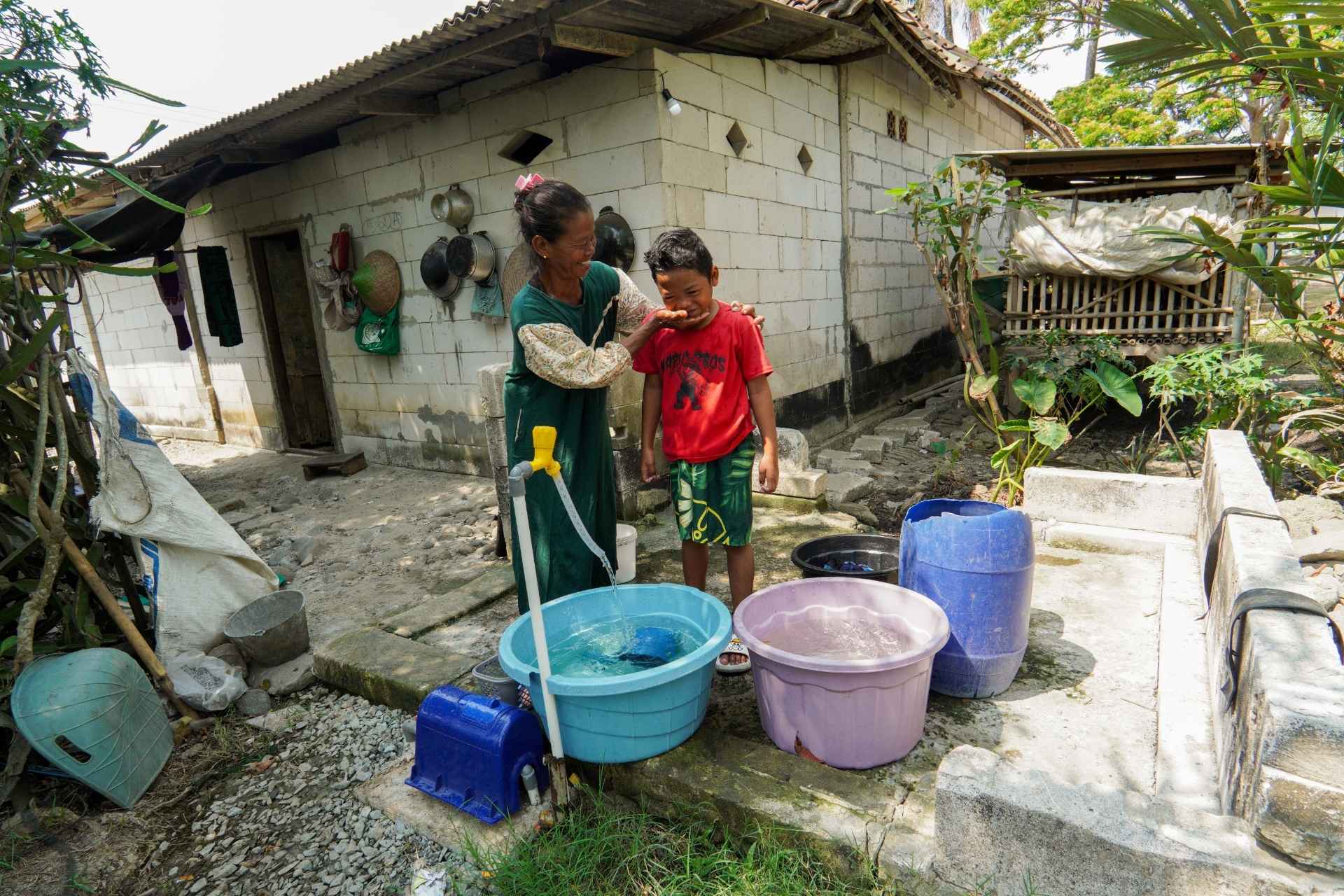
Today, Ibu Meilina’s life has been completely transformed. The new home has brought a profound psychological impact for both her and her son, replacing constant anxiety with joy that is hard to put into words. “The change is enormous. Words can’t even describe how happy I am. I’m just so grateful,” Ibu Meilina said with a beaming smile.
With a clean and orderly home, her enthusiasm for life has renewed. Waking up in the morning now feels pleasant. The sense of security she experiences indoors provides a positive drive to face each day with optimism. “When you have a proper home, you go to work with more energy because your mind is at ease,” she added with deep gratitude.
Having a decent residence has also empowered Ibu Meilina to pursue new economic aspirations. No longer preoccupied with a leaking roof, she is now planning to save up capital to start a small home business selling her own homemade food and cakes. For Ibu Meilina, this new home is more than just a physical shelter—it is a foundation for her beloved son’s future.
Ibu Meilina expresses continuous gratitude for the assistance that changed her life’s trajectory. “I am deeply thankful to Prudential and all the donors. May your endeavors always be eased, your health preserved, your lives blessed, and may God reward all your kindness,” she concluded with emotion.
Ibu Meilina’s story stands as proof that a safe, healthy, and decent home can restore hope and dignity to a family facing uncertainty. Countless other female heads of household and vulnerable individuals are still struggling to survive behind crumbling walls that endanger their lives.
Join hands with Habitat for Humanity Indonesia. Continue supporting proper housing programs to bring more stories of change, new smiles, and a brighter future to families in need across the nation.
Writer: Kevin Herbian
(kh/av)