
Habitat Updates
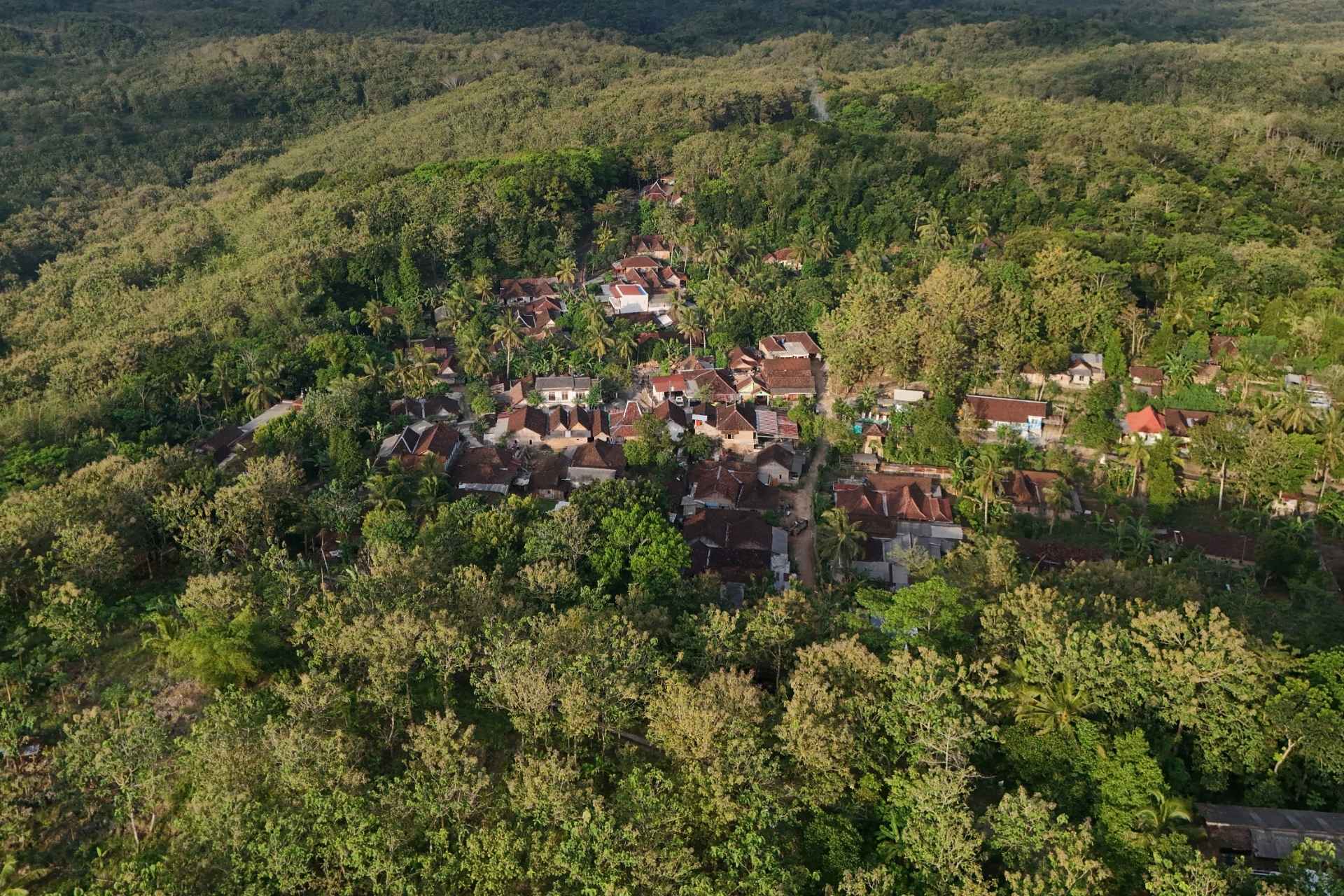
An aerial view of Girisuko Village, Panggang Subdistrict, Gunungkidul Regency, Special Region of Yogyakarta, Indonesia. Photo: HFHI/Kevin Herbian
Gunungkidul, July 21, 2026 – Following the successful provision of clean water access to more than 250 household connections in Nglipar District, Gunungkidul Regency, Habitat for Humanity Indonesia is expanding its efforts through the support of generous donors. This time, the clean water initiative is focused on Panggang District, with the goal of reaching 525 families across four hamlets in Girisuko Village.
The expansion of the program is driven by a long-standing challenge faced by the local community. The karst landscape that dominates Panggang District has made access to clean water a recurring problem, particularly during the dry season. Under these conditions, hundreds of families continue to rely on purchasing clean water to meet their daily needs.
On average, each family spends around IDR 300,000 per month to purchase two tanker loads of clean water, which are then stored in water tanks located in their home yards. For many households, this expense represents a significant financial burden, yet it remains unavoidable to ensure that basic needs such as cooking, bathing, washing, and drinking can be met.
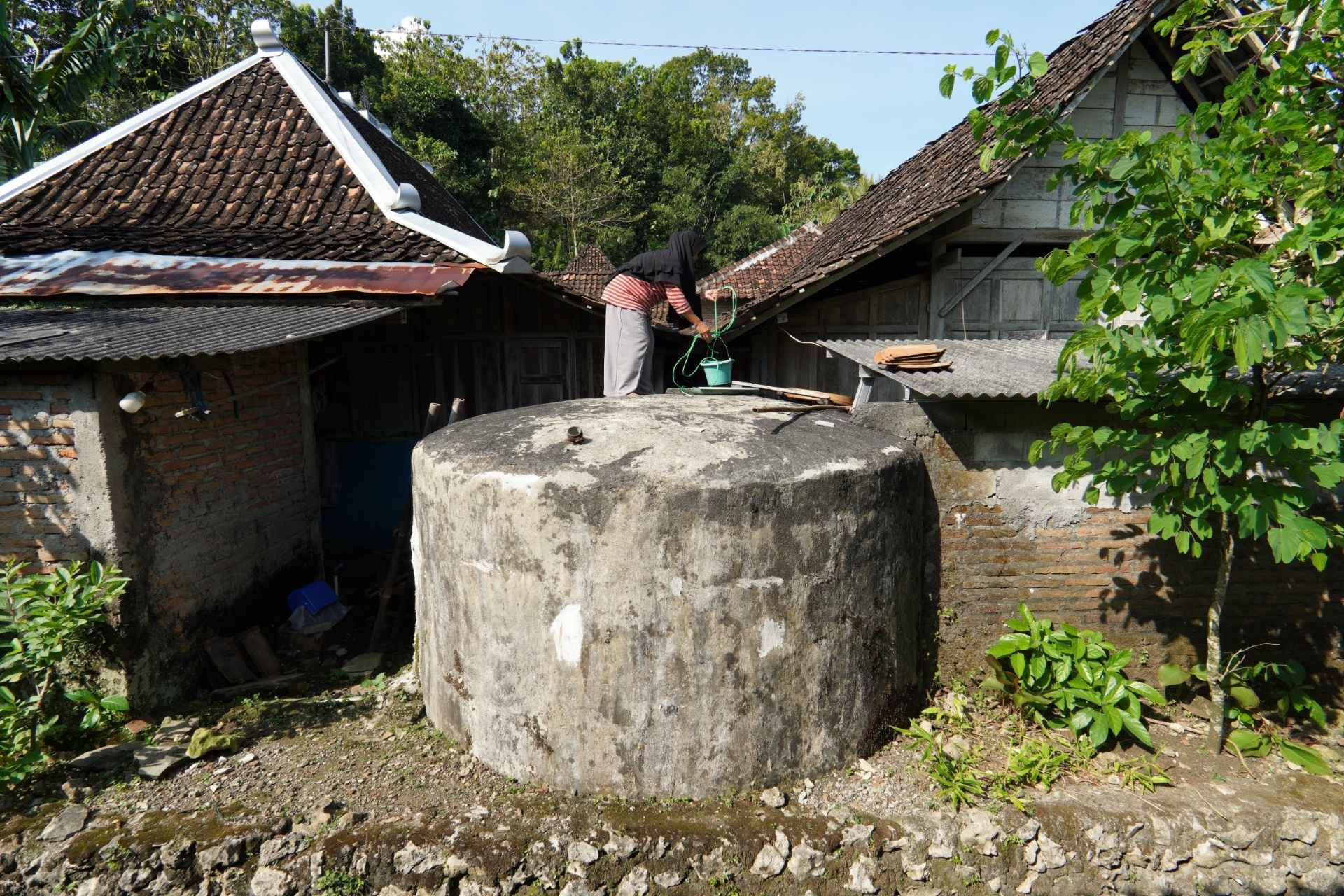
Suwiyati, a resident of Girisuko Village, collects water from a storage tank beside her home, which is supplied by a water tanker truck. Photo: HFHI/Kevin Herbian
One of the residents of Girisuko Village, Suwiyati, has experienced these challenges firsthand. For her, buying clean water is no longer a choice, but a necessity—even if it means sacrificing a substantial portion of the family’s income. “What else can we do? Whether we like it or not, we have to buy clean water for our daily needs. Even though spending three hundred thousand rupiah every month is difficult, we still have to make it work,” she said.
The community’s challenges extend beyond the high cost of water. During the dry season, clean water becomes increasingly scarce. Water tank deliveries are more difficult to obtain, and when available, prices often rise above their normal rates. As a result, families face uncertainty not only in terms of water availability but also the costs they must bear.
Recognizing these challenges, Habitat for Humanity Indonesia conducted an assessment to identify sustainable water sources that could serve the community. The assessment found that the springs at Goa Wuluh Kumet and the Kedung Lumut River have strong potential to be developed as sustainable sources of clean water for the surrounding communities.
Through the project currently underway, clean water will be distributed to 525 household connections across the hamlets of Gebang, Pacar 1, Sanglor 1, and Sanglor 2. The system will also include water storage reservoirs and a filtration system to help maintain water quality before it is distributed to households.
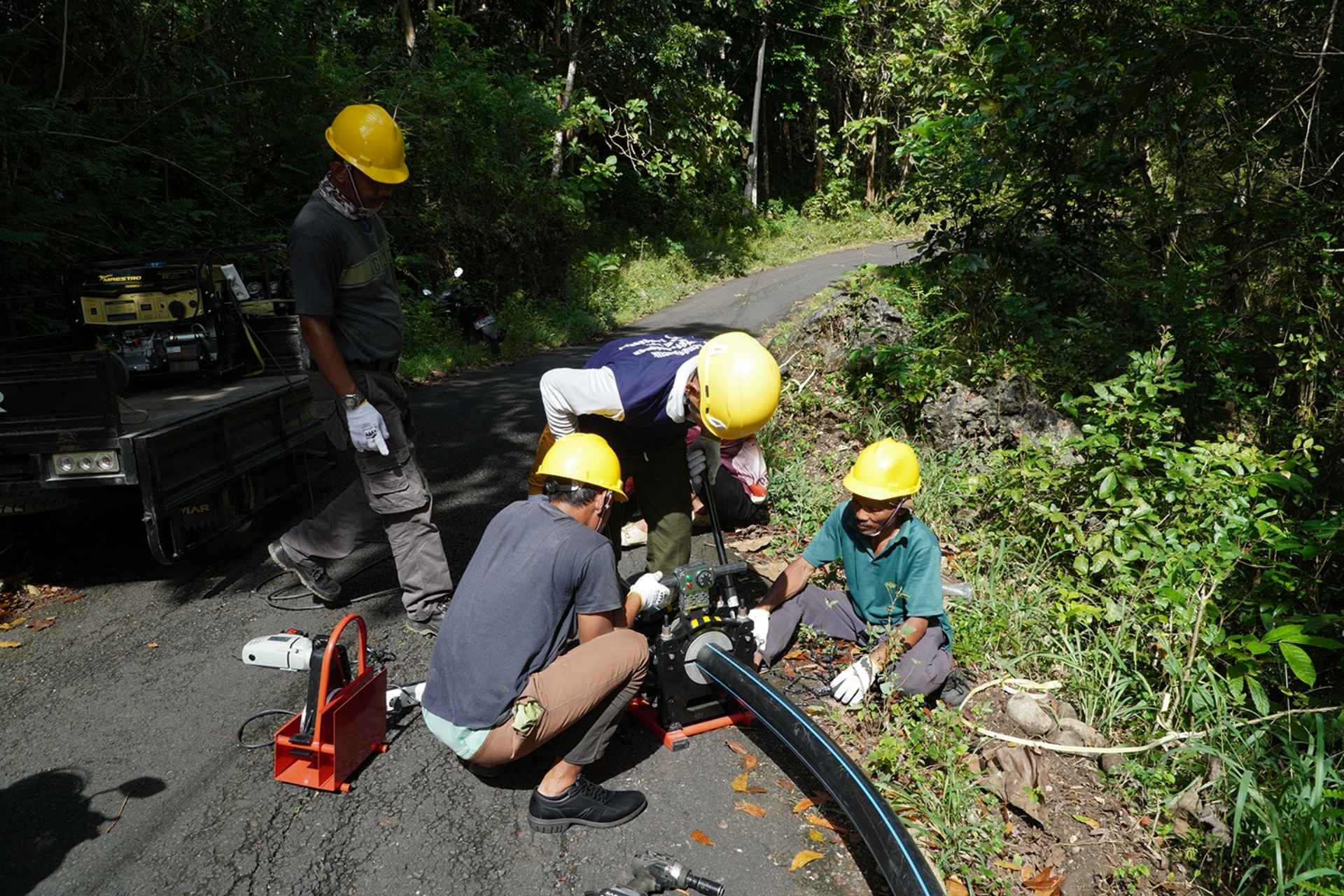
The Habitat for Humanity Indonesia team and local residents install HDPE pipes as part of a clean water access program in Girisuko Village, Gunungkidul Regency, Indonesia. Photo: HFHI/Kevin Herbian
For Habitat for Humanity Indonesia, a decent home is not defined solely by a strong physical structure, but also by access to the essential services that support the well-being of its occupants. Access to clean water is an integral part of decent housing, playing a critical role in promoting family health, improving sanitation, and creating a safe, healthy, and dignified living environment.
The construction of this infrastructure also actively involves community participation. Through collective community efforts, local groups have begun excavating pipeline routes, installing HDPE pipelines, and fitting water meters at beneficiary households. This active participation not only accelerates the construction process but also fosters a sense of ownership, helping ensure that the facilities will be maintained and used sustainably over the long term.
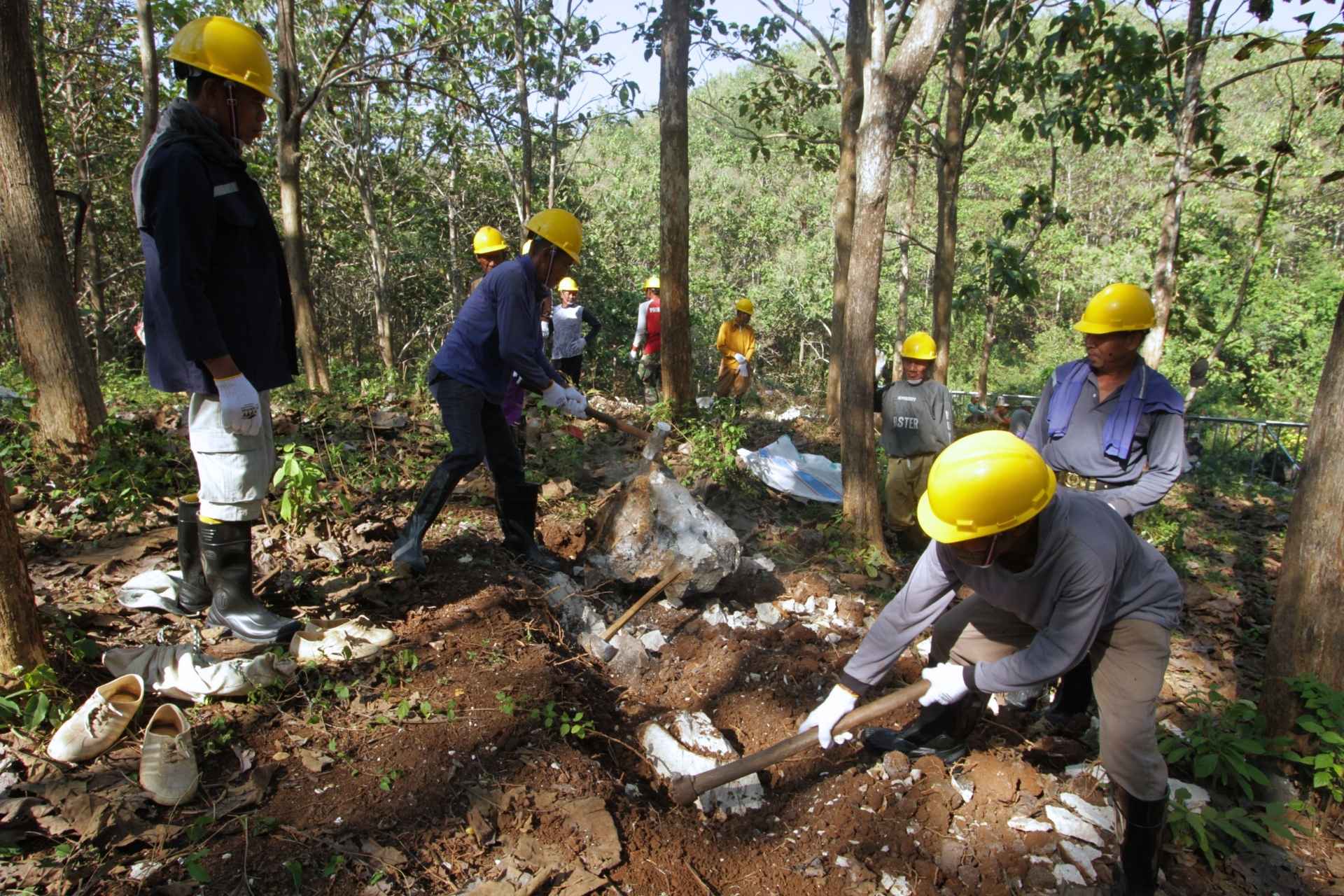
Residents of Girisuko Village work together to install a pipeline as part of a clean water access program. Photo: HFHI/Patrick Cahyo
In addition to developing the infrastructure, Habitat for Humanity Indonesia is strengthening community capacity through a series of training programs. All beneficiary families will participate in Clean and Healthy Living Behavior (PHBS) training, while Gender Equality, Disability, and Social Inclusion (GEDSI) training will be delivered to promote more inclusive water management and ensure equal participation for all community members. Meanwhile, the community-based water committees will receive training on system operation and maintenance to ensure that the infrastructure continues to function effectively for years to come.
Through the collaboration of local communities, Habitat for Humanity Indonesia, and its generous donors, this program is expected to create lasting change. Beyond improving access to clean water, it will help reduce household expenses, improve public health, and strengthen the quality of housing and community life in Panggang District for years to come.
Writer: Kevin Herbian
(kh/av)