
Habitat Perspectives
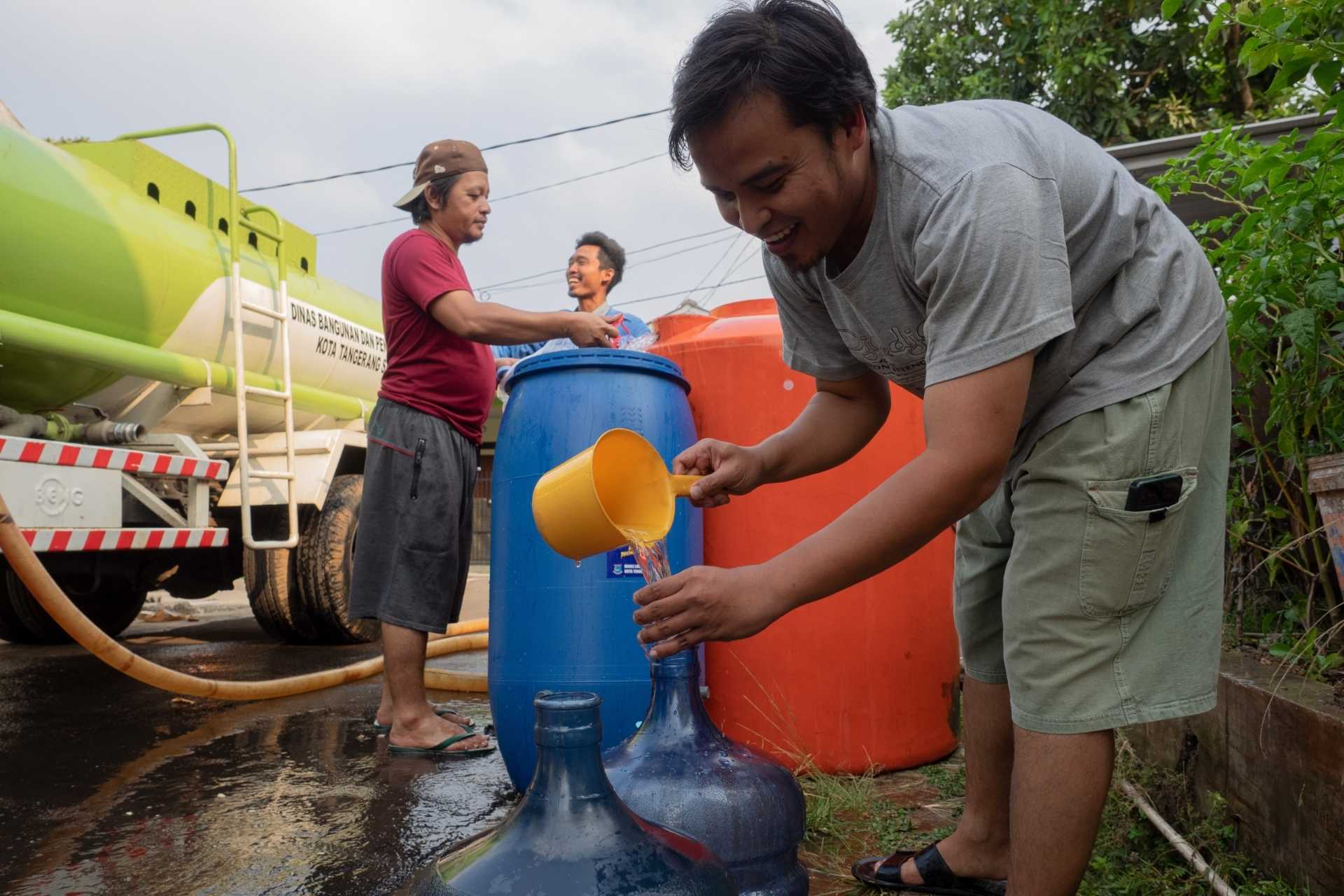
(Illustration) Residents queue to collect clean water distributed by a water tanker truck. Photo: Kevin Herbian
The dry season brings more than just hotter weather—it also serves as a reminder that access to clean water remains a challenge for many families across Indonesia.
Jakarta, July 29, 2026 – As rainfall decreases, clean water shortages are beginning to affect communities in several regions. In Karawang Regency, for example, the Regional Disaster Management Agency (BPBD) distributed approximately 150,000 liters of clean water to 7,704 people across six villages affected by drought on 22 July 2026. Meanwhile, in Gunung Batur Village, Cilegon City, 125 households must queue and walk along rocky footpaths to Sumur Bendung Spring to collect water for their daily needs. The burden is especially heavy for vulnerable groups, particularly women, who often carry jerry cans or water containers weighing several kilograms over distances of nearly one kilometer.
Clean water plays a role far beyond meeting drinking needs. It is the foundation of family health, proper sanitation, and a clean living environment. Reliable access to water enables families to prepare food safely, wash clothes, maintain personal hygiene, and keep their homes clean and healthy. Conversely, when access to clean water is limited, household burdens increase, often affecting women, children, older persons, and people with disabilities the most. Ultimately, even a structurally sound house cannot truly be considered adequate if its occupants struggle to access clean water every day.
Amid these challenges, every family can begin adopting simple habits to use water more wisely. In addition to helping preserve water supplies during the dry season, these practices reduce waste and promote more efficient water use.
1. Harvest rainwater for non-drinking purposes
If possible, collect rainwater for activities such as watering plants, cleaning outdoor areas, or other non-potable uses. Be sure to store it in clean, covered containers to maintain its quality.
2. Repair leaking taps and pipes immediately
A small leak may seem insignificant, but it can waste a substantial amount of water over time. Regularly inspecting taps, pipe connections, and hoses can help prevent unnecessary water loss.
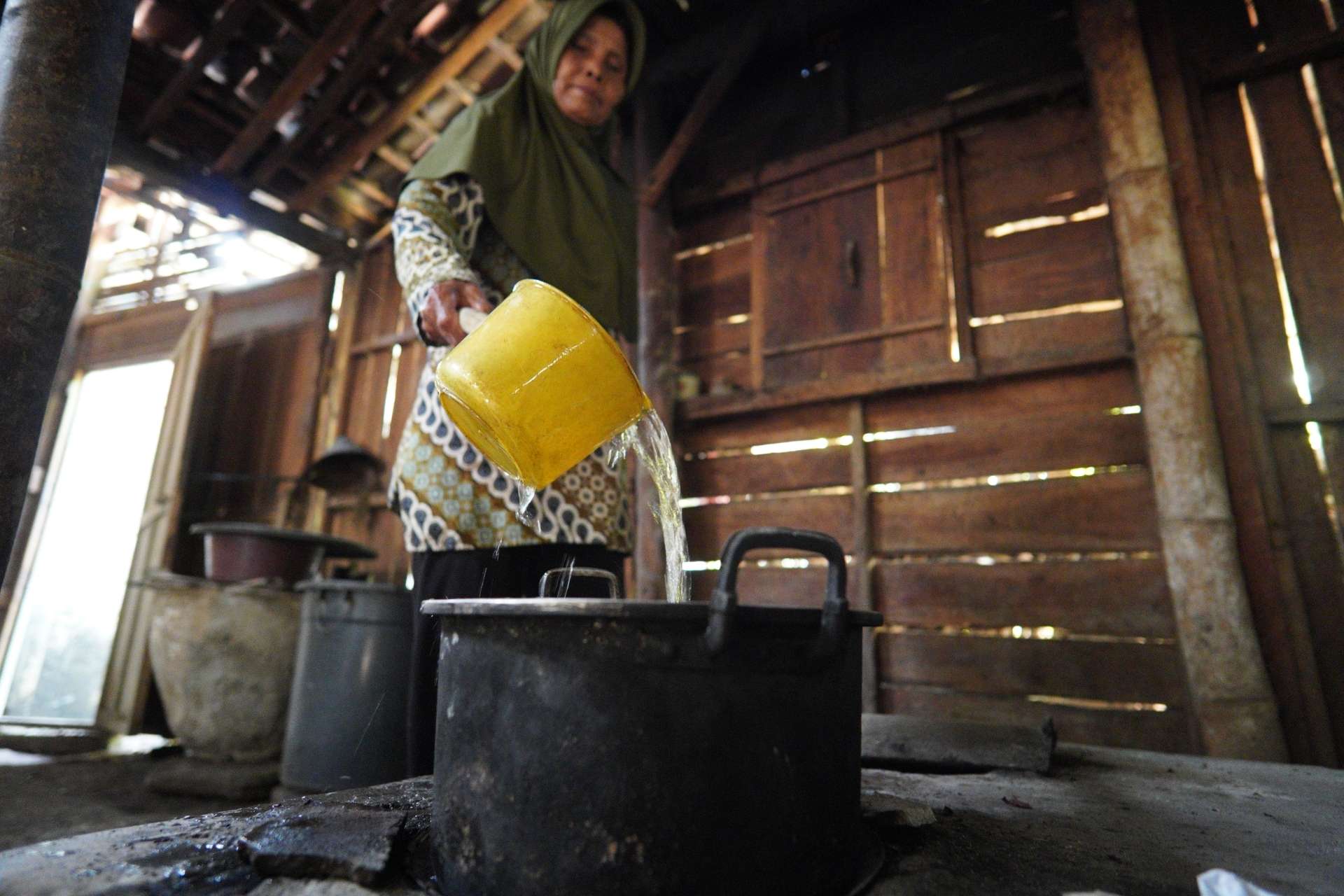
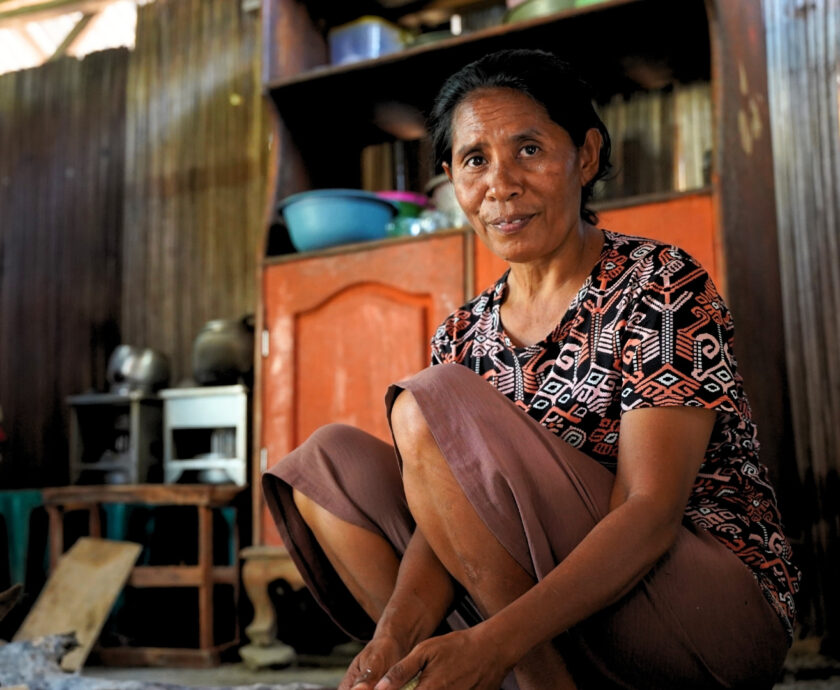
(Illustration) A resident uses clean water for cooking. Photo: HFHI/Kevin Herbian
Read also: Women Behind the Construction of Decent Homes
3. Reuse water whenever it is safe to do so
Water used to rinse rice, vegetables, or fruit can be reused for watering plants or cleaning outdoor spaces. This simple practice helps reduce the use of clean water without compromising its benefits.
4. Prioritize essential water needs
When water supplies are limited, prioritize its use for drinking, cooking, personal hygiene, and household sanitation. This helps ensure that basic needs continue to be met even during periods of water scarcity.
5. Store emergency water supplies safely
Keeping a reserve of clean water can help households prepare for temporary disruptions in water supply. Store water in tightly sealed containers to protect it from dust, insects, and contamination.
6. Clean water storage containers regularly
Water tanks, reservoirs, and storage containers should be cleaned routinely to maintain water quality and prevent the growth of algae, dirt, and harmful microorganisms that could pose health risks.
Managing water wisely is a simple habit that begins at home. Small, consistent actions not only help preserve water supplies during the dry season but also strengthen families’ resilience in the face of future challenges.
At a time when many communities still struggle to access clean water every day, using water responsibly is one meaningful way to ensure that this precious resource remains available for more people—today and for generations to come.
(kh/av)