Habitat Updates
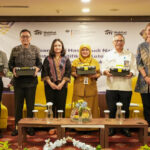
Tangerang, April 16, 2026 – Coordinating Minister for Infrastructure and Regional Development (Menko Infra), Agus Harimurti Yudhoyono (AHY), together with the Vice Minister of Marine Affairs and Fisheries (Wamen KKP), the Vice Governor of Banten, and the Regent of Tangerang, Moch. Maesyal Rasyid, conducted a working visit to review the results of the revitalization of Kampung Nelayan Tanjung Kait by Habitat for Humanity Indonesia in Tanjung Anom Village, Mauk District, Tangerang Regency on Thursday (16/4). This visit marks the success of collaboration between the government, private sector, and civil society organizations in creating an inclusive and climate-resilient coastal settlement model.
“We can all see that the fishermen’s settlement area has now been transformed into a place that is suitable for living. We want to ensure that this area is not only comfortable to live in, but also productive. Together with Habitat for Humanity Indonesia, which built and improved 110 houses, we witnessed firsthand that the community is happy to live in comfortable homes. I truly appreciate all parties involved—the Ministry of Marine Affairs and Fisheries, the Ministry of Agrarian Affairs and Spatial Planning, the Banten Provincial Government and Tangerang Regency Government, as well as Koperasi Mitra Dhuafa—for their collaboration in revitalizing this fishing village. We hope to continue strengthening this community over time,” said AHY.
“We hope that the synergy between the central government, regional governments, and non-governmental organizations in managing coastal areas can serve as a model for sustainable development in coastal regions—one that not only provides adequate housing but also considers environmental aspects and supports the economic growth of the community,” added Tangerang Regent, Moch. Maesyal Rasyid.
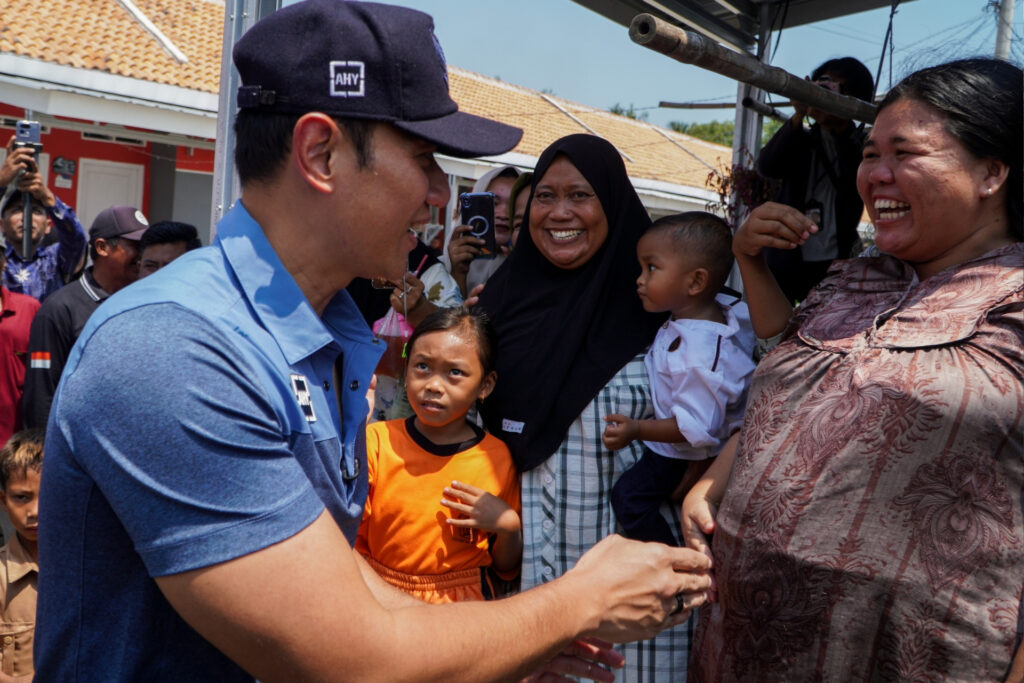
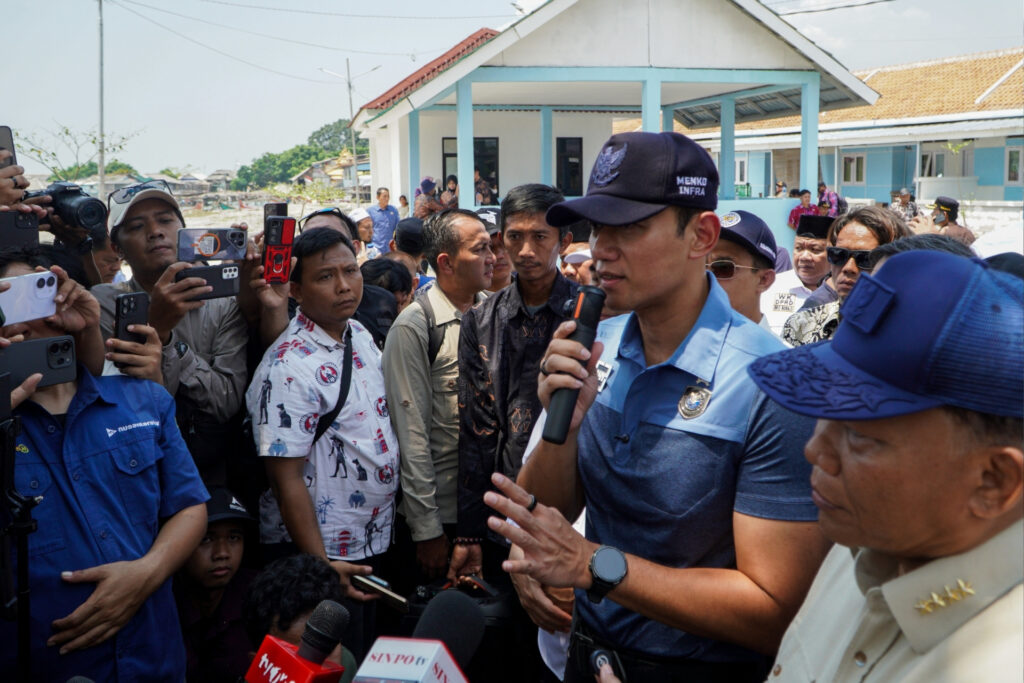
The Tanjung Kait revitalization program, which is part of the global “Home Equals” campaign by Habitat for Humanity Indonesia, has successfully transformed a vulnerable informal settlement into a legal and adequate living environment for 110 traditional fisher families. This project demonstrates that housing challenges in Indonesia can be addressed through a holistic, community-centered approach, revitalizing the social contract that has long been neglected due to inequality.
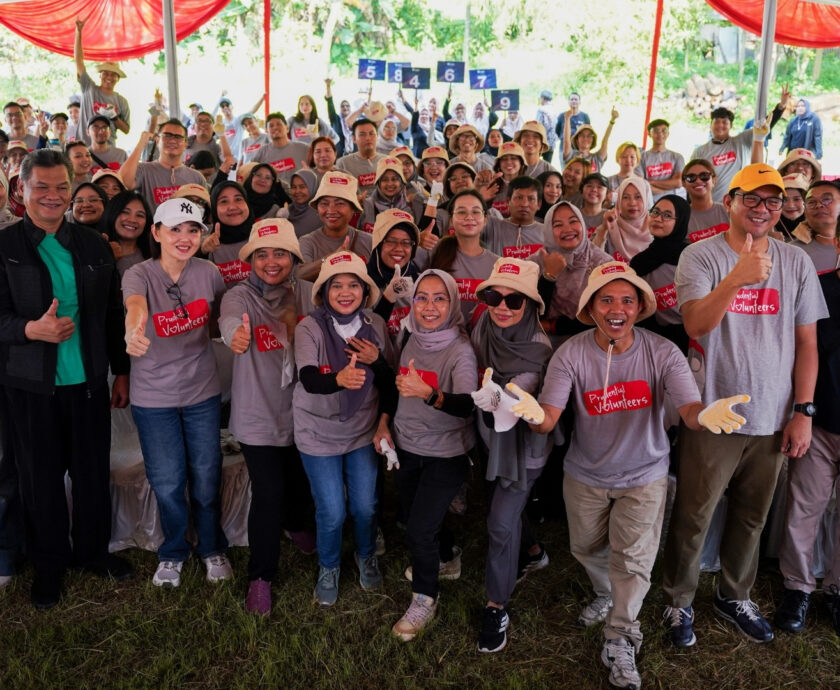
“The transformation of Tanjung Kait from a slum into a legal settlement for 110 fisher families was achieved through complex cross-sector collaboration. Using a participatory approach, residents were actively involved in designing climate-resilient housing and disaster mitigation measures. This success is supported by strong management between Habitat Indonesia, the government, as well as donors such as Prudential, PT Lautan Luas, and other industry partners to build an equitable housing ecosystem,” explained Arwin Soelaksono, Program Director of Habitat for Humanity Indonesia.
The revitalization of Kampung Tanjung Kait is based on four main pillars aimed at restoring human dignity and social justice:
- Land Tenure Security: Breaking the cycle of vulnerability by facilitating access to legal land ownership through inclusive financing schemes in collaboration with Koperasi KOMIDA.
- Meaningful Participation: Residents are actively involved as architects of their own future through the PASSA (Participatory Approach for Safe Shelter and Settlements Awareness) method.
- Climate Change Adaptation: Construction of housing units designed with Build Back Safer (BBS) principles to address threats such as tidal flooding and extreme winds in coastal areas.
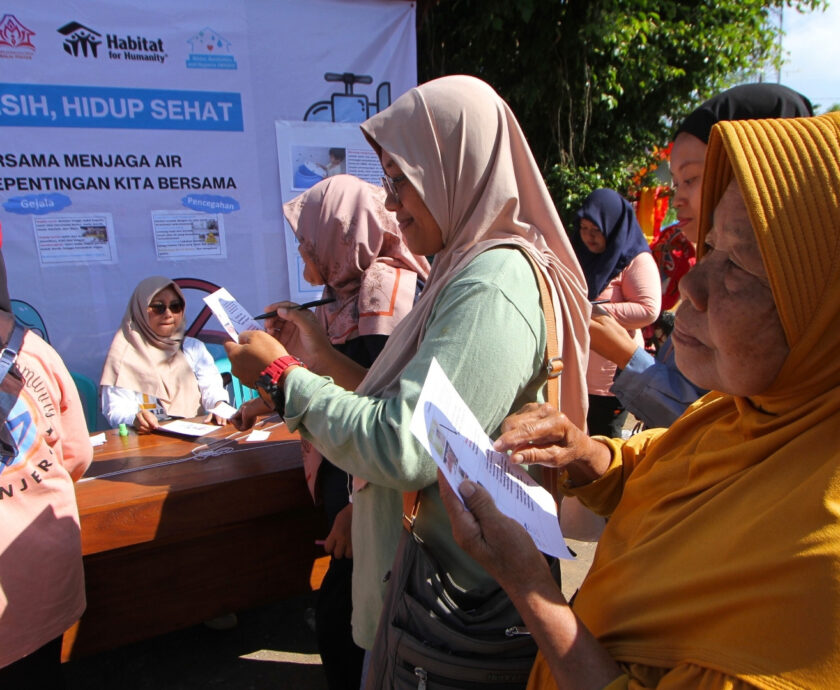
- Access to Basic Services: Provision of integrated infrastructure, ranging from clean water and sanitation to electricity networks and drainage systems, to restore dignity and productivity of residents.
The program, which began in June 2023, has gone through several critical phases, including land legalization in October 2024 and completion of construction in December 2025. Residents have now returned to permanent and healthy homes. Moving forward, Tanjung Kait is projected to become a “Traditional Fisherfolk Tourism Village” to promote the community’s economic and ecological independence.
Photo & Writer: HFHI/Astridinar Vania
(as/kh)