Habitat Updates
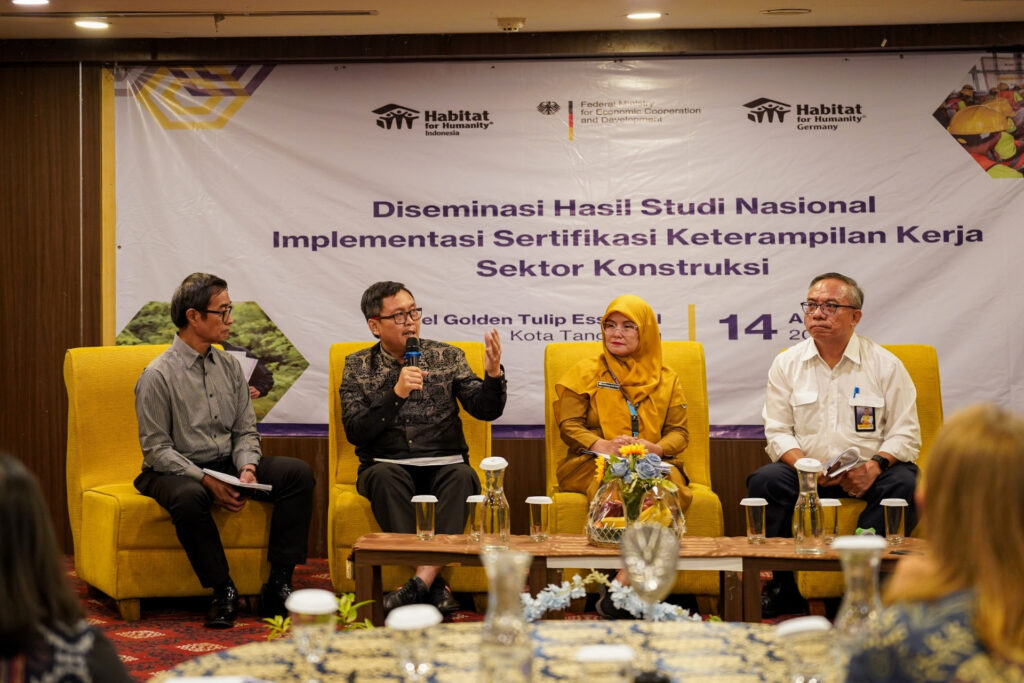
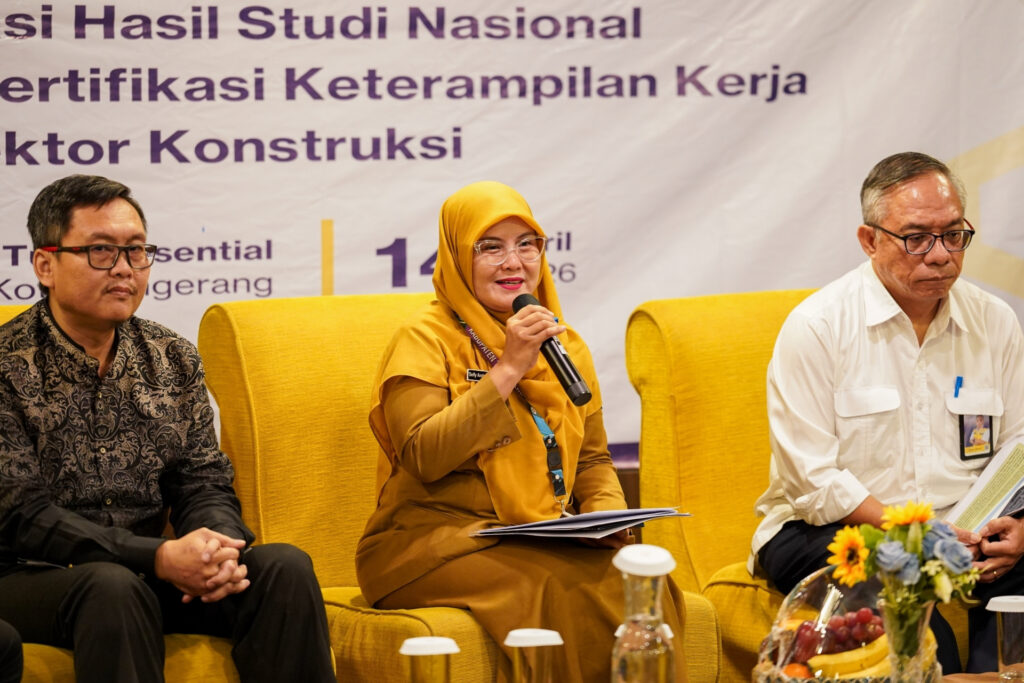
Tangerang, April 14, 2026 – Habitat for Humanity Indonesia presented the results of its National Study on the Implementation of Work Competency Certification (SKK) in the Construction Sector as part of its efforts to improve the quality and competitiveness of Indonesia’s construction workforce, particularly among low-income communities that still face limited access to certification. The event was held in Tangerang City on Tuesday, April 14, 2026, serving as a platform for knowledge sharing and fostering collaboration among stakeholders.
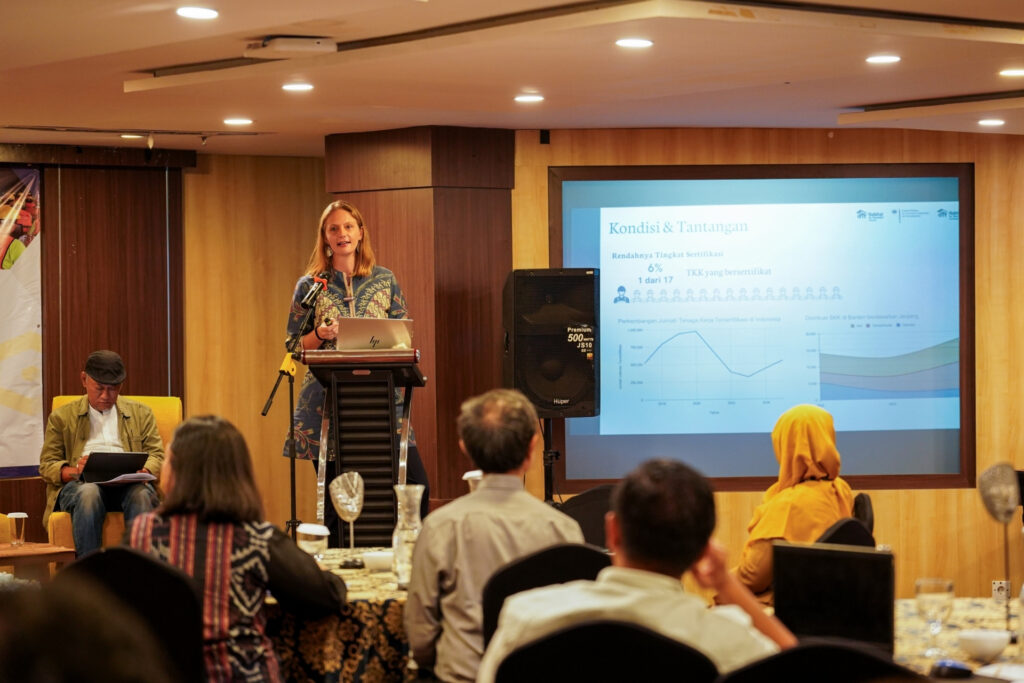
The construction sector plays a strategic role in infrastructure and housing development, while also being one of the largest employers in Indonesia. However, only around 6%, or 1 in 17 construction workers in Indonesia, are certified. Therefore, improving workforce quality is a key factor in ensuring safe, high-quality, and sustainable development. The Work Competency Certification (SKK) serves as a crucial instrument to ensure that construction workers possess competencies that meet national standards.
This national study is part of Habitat for Humanity Indonesia’s broader efforts to strengthen the construction workforce ecosystem, which began in 2023 through training and certification programs for low-income communities. From 2023 to 2025, a total of 581 construction workers in Tangerang City and Tangerang Regency successfully obtained national certification across various skill areas.
Beyond capacity building, Habitat for Humanity Indonesia has also promoted access to employment opportunities through the organization of a construction sector Job Fair in 2025, connecting trained workers with national and local construction companies. This initiative highlights the importance of aligning training, certification, and workforce absorption to create sustainable social and economic impact.
Through this national study, Habitat Indonesia identified three key challenges in the implementation of SKK: limited access to information for informal workers, certification costs that remain a barrier, and administrative processes that are not yet fully accessible for workers in the field. The study also highlights opportunities to strengthen the certification system moving forward.
Read also: Carving a Path to Success for Construction Workers and Competitive Opportunities in the Job Market
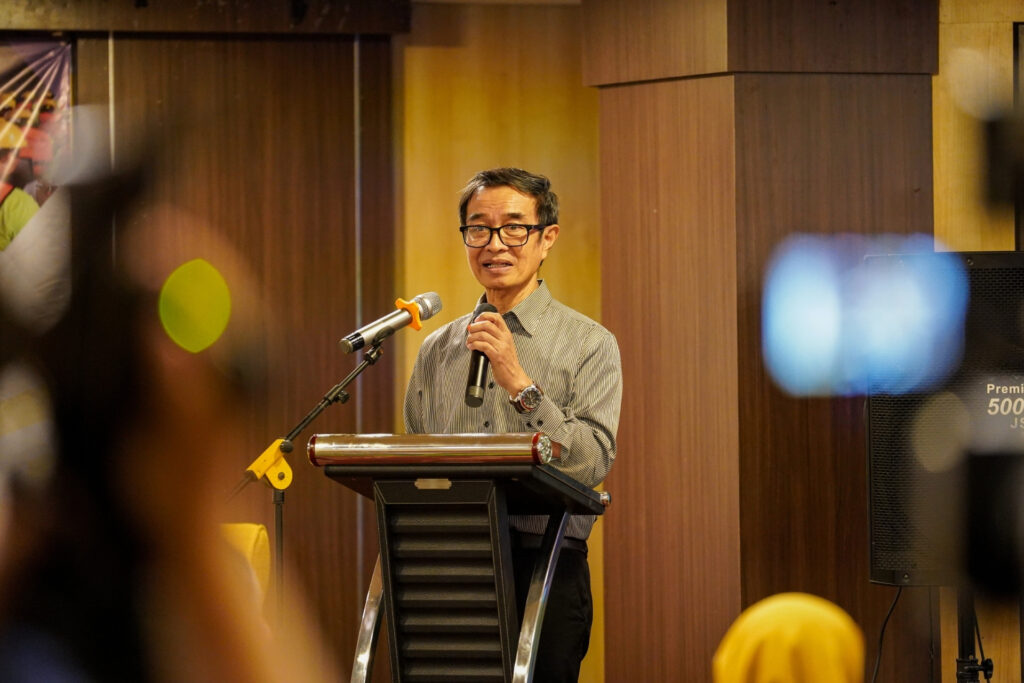
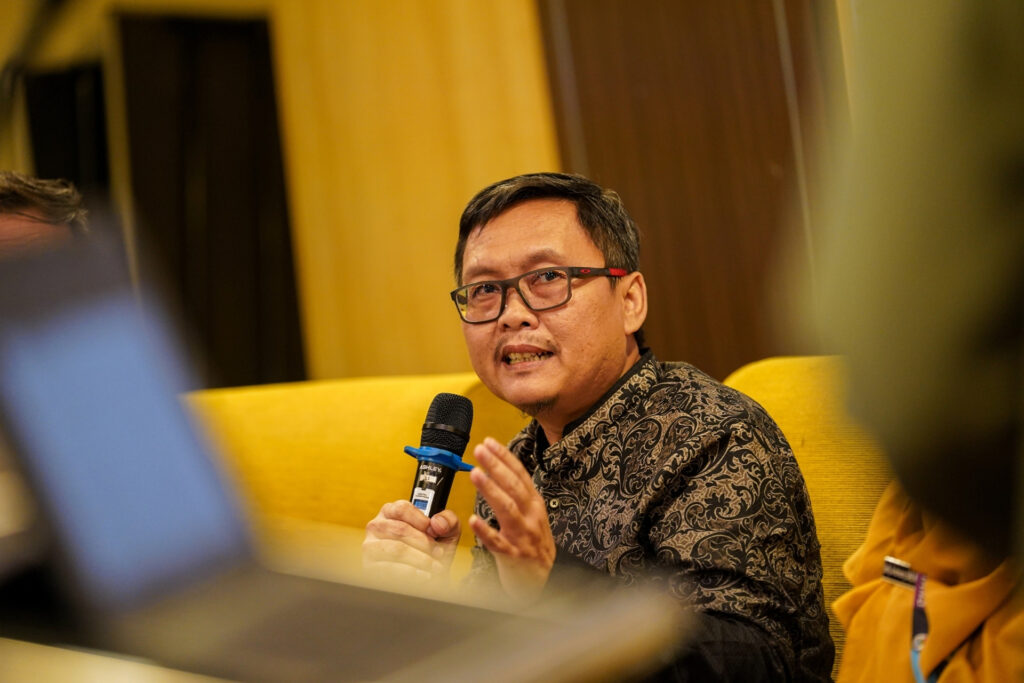
Arwin Soelaksono, Program Director of Habitat for Humanity Indonesia, emphasized the critical role of construction workers in development and the challenges they face in accessing certification. “Construction workers play a vital role in development, yet they still face challenges in accessing certification. The programs that Habitat Indonesia has implemented over the past three years aim to prepare construction workers to become more skilled, knowledgeable, and confident in their abilities. Through this dissemination, we hope that more workers will gain standardized skills and access to better job opportunities,” he stated.
The program, which has been implemented since 2023 in Tangerang City and Tangerang Regency, has shown highly significant results, with 96% of participants successfully passing certification. This achievement confirms that workers fundamentally possess strong capacity and capability. It demonstrates that the primary barrier is not a lack of individual competence, but rather limited access to the certification system itself.
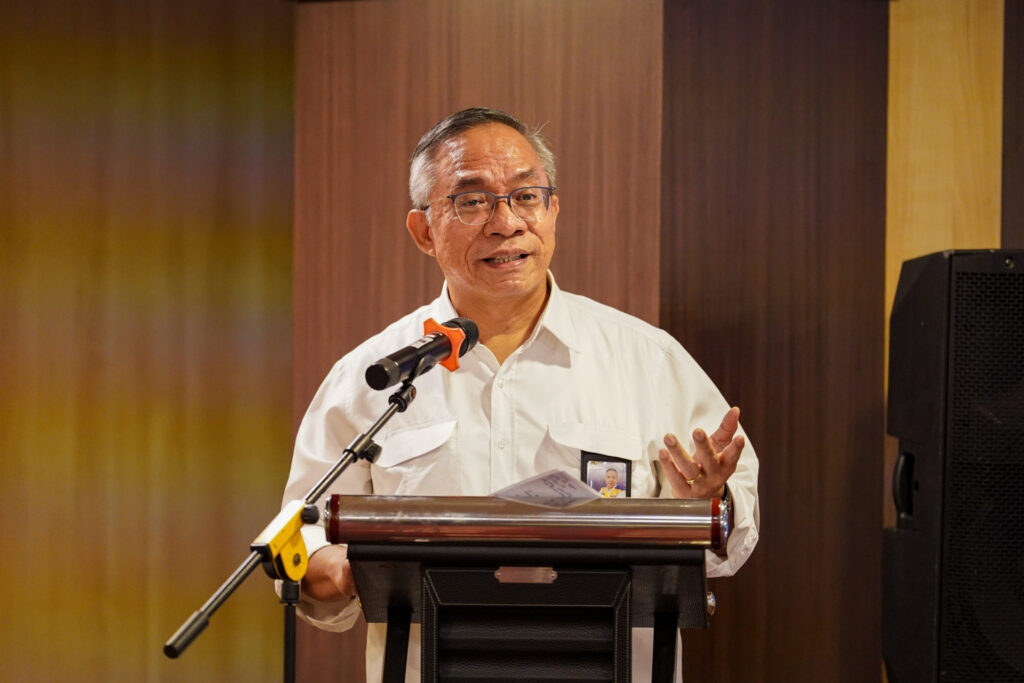
Ir. Kimron Manik, Director of Competency and Productivity of Construction Workforce at the Directorate General of Construction Development, Ministry of Public Works (PU), also emphasized that the construction sector is a key pillar in supporting Indonesia’s development. “Development activities cannot be separated from reliable and skilled human resources in the construction sector. We appreciate Habitat for Humanity Indonesia’s initiative in implementing SKK training programs and conducting further studies on the implementation of SKK in the construction sector. We hope that the findings and policy recommendations from this study can serve as a foundation for strengthening sustainable collaboration,” he explained.
The findings of this study are expected to serve as a reference for the government, industry players, training institutions, and civil society organizations in strengthening a more inclusive, effective, and sustainable construction workforce certification system.
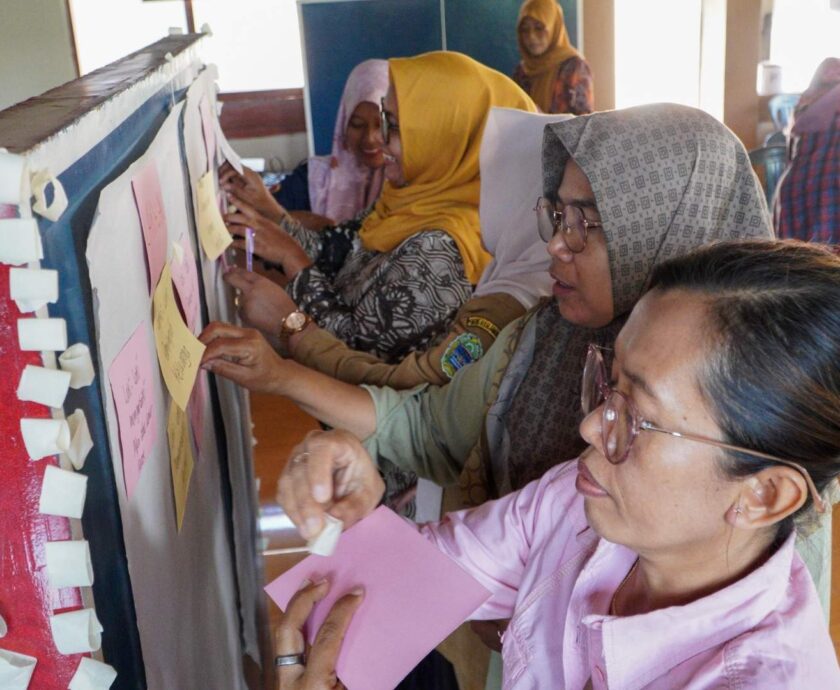
The dissemination event was attended by various stakeholders, including representatives from the Embassy of the Federal Republic of Germany, the Directorate General of Construction Development of the Ministry of Public Works (PU), the Regional Development Planning Agency (Bappeda) of Tangerang Regency, the Technical Implementation Unit for Job Training (UPT BLK) of the Tangerang Manpower Office, as well as the Public Works Agency (Dinas Bina Marga), along with representatives from civil society organizations and the media.
Habitat for Humanity Indonesia hopes that the results of this study will serve as a strategic reference in improving the quality of the construction workforce, expanding access to certification, and supporting the development of safe and adequate housing for all Indonesians.
Writer: Syefira Salsabilla
(av/kh)