
Habitat Perspectives
Jakarta, March 25, 2026 – When people talk about building decent housing, many imagine construction workers laboring under the scorching sun—lifting bricks, mixing cement, and installing walls. Yet behind this process, there is an important role that often goes unnoticed: the involvement of women in designing, building, and sustaining their homes and communities.
Across the world, the issue of women’s participation in community development has received increasing attention. Gender equality and inclusive development are now essential parts of the global development agenda, as experience shows that women often have a deep understanding of the needs of their families and living environments. When women are given the space to participate in decision-making processes, development outcomes tend to be not only more relevant to community needs but also more sustainable.
This is the approach also promoted by Habitat for Humanity Indonesia in many of its programs. Building homes is not viewed solely as the construction of physical structures, but also as a process of empowering communities—ensuring that women have equal opportunities to participate, express their views, and become part of positive change within their environment.
Women as Community Planners
One example can be seen in the revitalization program in Tanjung Kait Village, Tanjung Anom Village, Mauk District, Tangerang Regency. During the planning phase, women in the village were actively involved in various community discussions.
In these forums, women shared the challenges they face in their daily lives—from inadequate housing conditions and insufficient sanitation to the need for safer living spaces for their families. Beyond voicing problems, they also took part in identifying solutions and shaping ideas about how their community should be rebuilt.
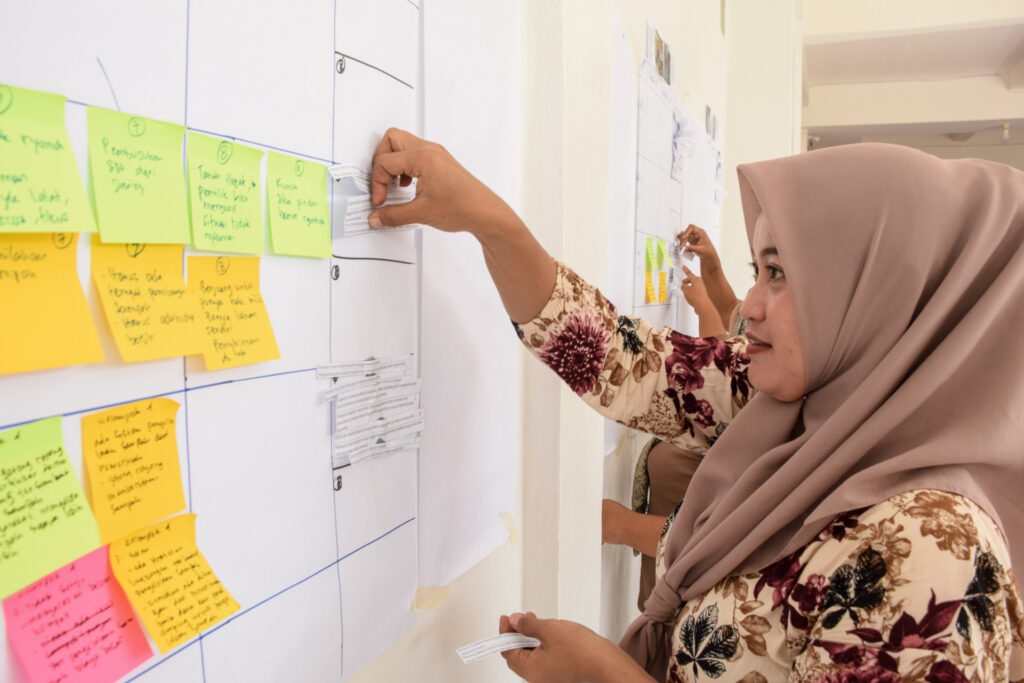
This participatory approach is important because women often have perspectives closely tied to household needs. They understand how kitchen spaces are used every day, how children need safe environments to grow, and how access to clean water and sanitation affects family health.
When women’s voices are included in planning, development results in not only better homes but also more inclusive and sustainable communities.
From Dialogue to Action
Women’s involvement does not stop at the discussion stage. During the construction process in Tanjung Kait Village, women also participated directly in various on-site activities.
Some of them are housewives, shellfish peelers, or members of fishing families whose daily lives depend on the sea. Yet when construction began, they willingly helped with many tasks—from carrying building materials and assisting with painting walls to preparing logistical needs for workers.
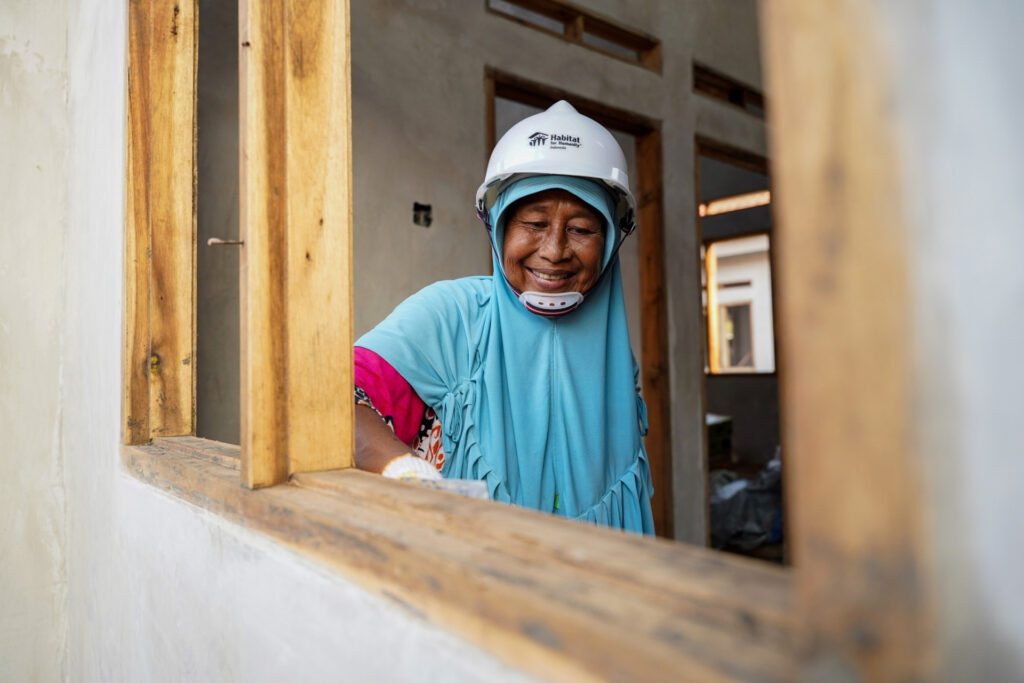
One of them is Nimah (55), a resident of Tanjung Kait Village whose house was part of the revitalization program. For Nimah, her involvement was not merely about helping with physical work but also about showing care for the future of her community.
“This house is my home and part of my community, so I feel it’s important for me to be involved in the construction process,” she said.
It is this spirit that transforms construction into something more than just an infrastructure project. It becomes a collective movement of mutual cooperation that strengthens a shared sense of ownership over the living environment.
Read also: Understanding Retrofitting: Strengthening Survivors’ Homes After Disasters in Sumatra
Women and Post-Disaster Resilience
The role of women is also evident in post-disaster recovery efforts. When disasters struck Sibolga and surrounding areas at the end of 2025, the recovery process involved not only volunteers and humanitarian organizations but also local communities—including women.
In many recovery activities, mothers and women in the community worked together to clear debris from damaged buildings, sort materials that could still be used, and help reorganize their living environment.
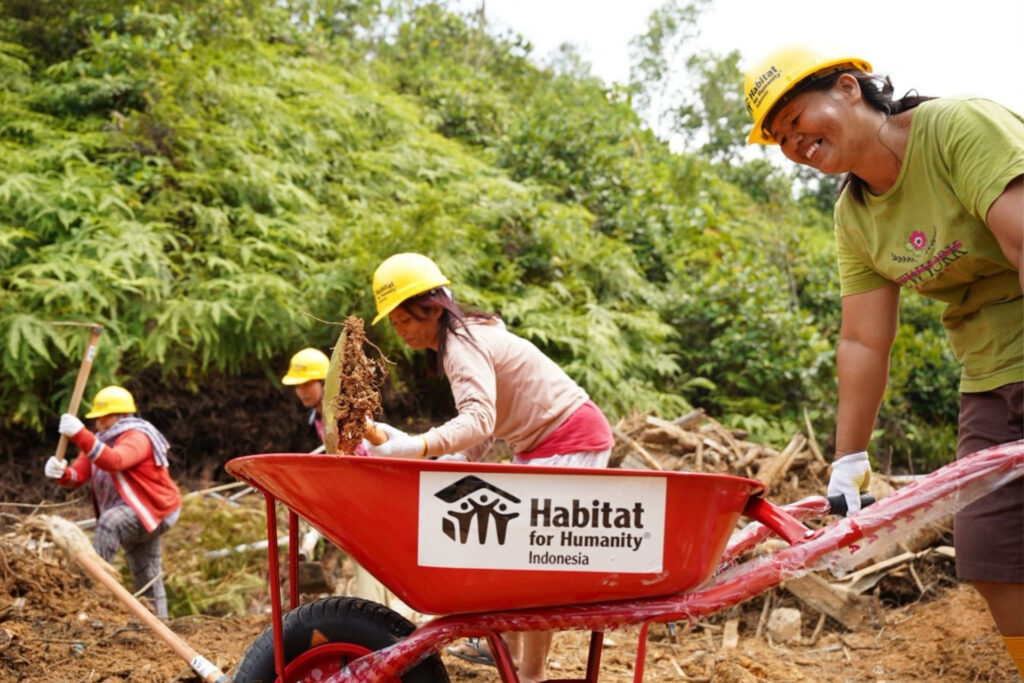
For many families, women often become figures who maintain household stability during difficult times. They ensure that children continue to feel safe, manage daily needs, and at the same time contribute to rebuilding lives that have been disrupted.
This involvement shows that community resilience is built not only through physical strength but also through solidarity and care among its members.
Women Volunteers Driving Change
In many decent housing programs initiated by Habitat for Humanity Indonesia, women also take part as volunteers. It is not uncommon for them to engage in construction activities that have traditionally been associated with men.
From digging foundations and helping install walls to painting houses, women volunteers demonstrate that the spirit of helping others knows no boundaries. Their presence not only adds manpower but also brings a sense of solidarity that strengthens the spirit of mutual cooperation on the ground.
Through this involvement, women are no longer seen merely as beneficiaries of development programs, but also as key actors driving change.
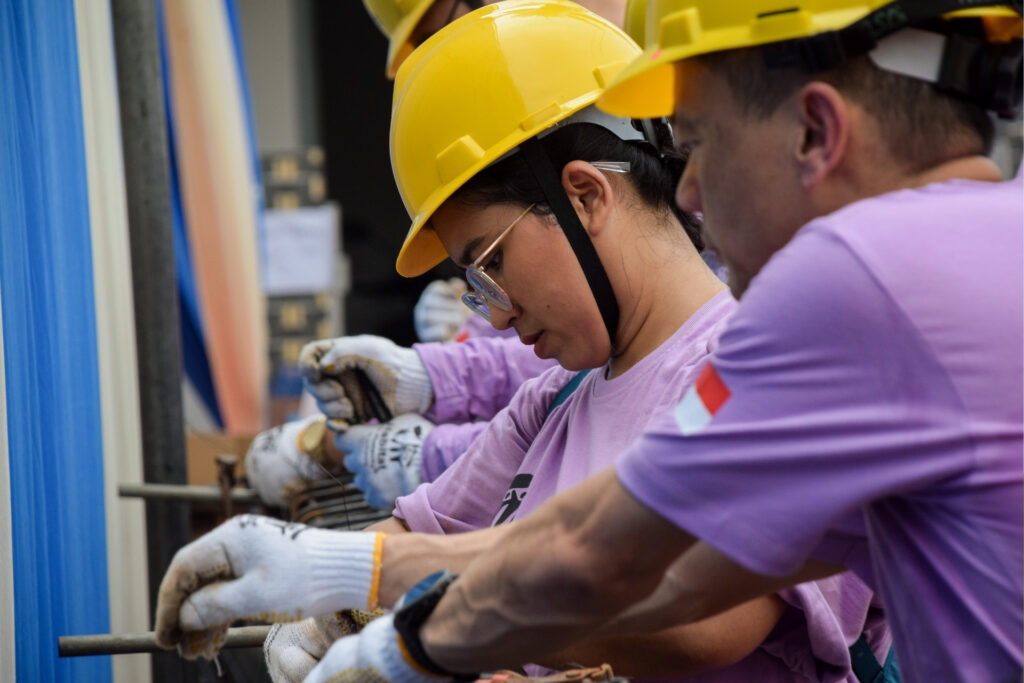
These experiences show that sustainable decent housing development cannot be separated from the role of women. When women are actively involved, development produces not only stronger houses but also stronger, more inclusive, and more resilient communities capable of facing various challenges.
Women bring unique perspectives when it comes to understanding the needs of families and their surrounding environments. They often become the bridge between household needs and the broader interests of the community.
In many places, change begins with small steps—from voices heard in community discussions, from hands helping to paint the walls of a house, or from the determination to rise together after a disaster. And often, behind those changes, there are women working with sincerity to build homes, hope, and the future of their communities.
Writer: Kevin Herbian
(kh/av)