
Habitat Perspectives
Jakarta, March 30, 2026 – For most families, a house is more than just a physical structure. It is a place of shelter, a space to grow, and a foundation for a better life. Yet for millions of families in Indonesia, having a decent home remains a dream that has not yet been fully realized.
This challenge is reflected in the high number of housing backlogs—the gap between the number of homes needed by the community and the availability of adequate housing. This issue is not only a concern for the government but also for various stakeholders, including nonprofit organizations such as Habitat for Humanity Indonesia, which focuses on providing decent housing for low-income families, particularly those in the lowest income groups (deciles 1 and 2).
Understanding the Scale of the Housing Backlog
Data cited from the government’s official website shows that the housing backlog in Indonesia remains significantly high. There are approximately 29,171,222 families experiencing housing backlog, which consists of two main categories: ownership backlog and housing adequacy backlog.
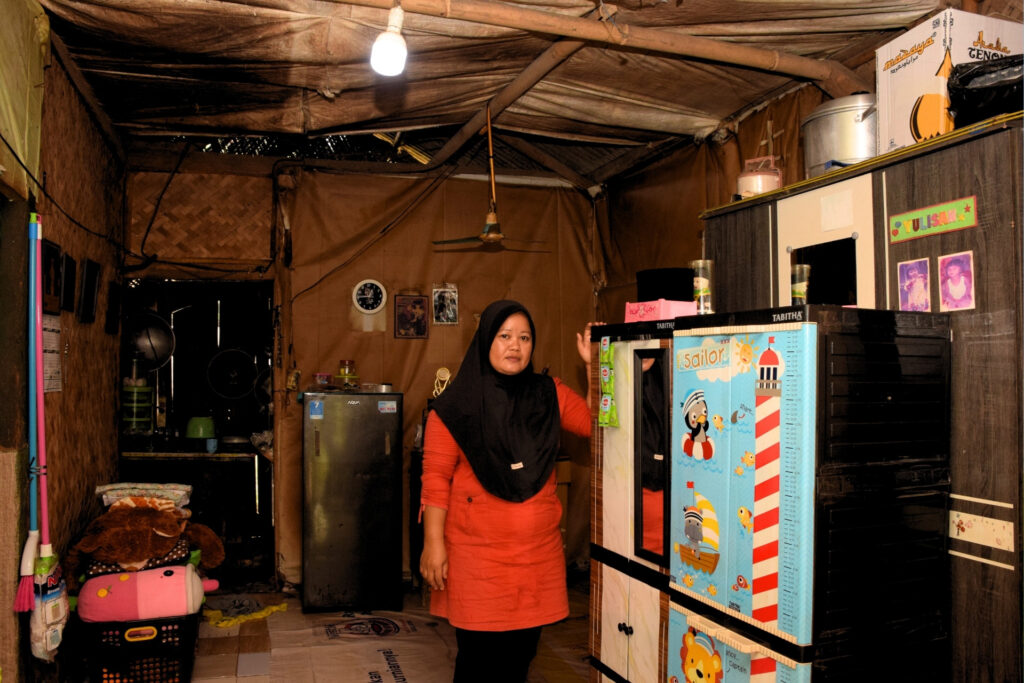
Around 12,573,383 families fall into the ownership backlog category—families who do not yet own a home. Meanwhile, 16,597,839 families experience a housing adequacy backlog, meaning they already have a place to live but their homes do not meet the standards of decent housing.
The distribution of this backlog also shows a significant concentration on the island of Java. West Java records the highest housing backlog, followed by East Java and Central Java. This indicates that rapid population growth in these regions has not been fully matched by adequate housing provision.
Why Is the Housing Backlog Still High?
The high number of housing backlogs does not occur without cause. Various interconnected factors contribute to this condition.
One major factor is the limited availability of housing financing schemes that have not yet fully reached low-income families, especially those working in the informal sector. Without access to affordable financing, many families struggle to purchase their own homes.
In addition, rapid population growth and urbanization are often not balanced by sufficient housing supply. This situation triggers the emergence of densely populated settlements, informal housing, and areas that develop without proper planning.
Another issue relates to the quality of houses and residential environments. Many homes still do not meet technical and health standards, ranging from unsafe building structures and limited living space to inadequate access to clean water and proper sanitation.
Data shows that around 12.8 percent of residential areas are still categorized as slums, while approximately 30 percent of buildings do not meet proper technical building standards. This indicates that housing issues are not only about the number of houses but also about the quality of housing and living environments.
Read also: Understanding Retrofitting: Strengthening Survivors’ Homes After Disasters in Sumatra
Collaboration to Reduce the Housing Backlog
To address these challenges, various efforts continue through government policies and strategic programs.
In the context of homeownership backlog, the government through BP Tapera initiated the FLPP (Housing Financing Liquidity Facility) program, which provides more affordable housing financing schemes for low-income families.
Meanwhile, to address housing adequacy backlog, the government through the Kementerian Perumahan dan Kawasan Permukiman implements the BSPS (Self-Help Housing Stimulant Assistance) program. This program aims to help low-income families improve the quality of their homes so that they meet decent housing standards.
In practice, many stakeholders collaborate to expand the program’s impact. One example is the involvement of Habitat for Humanity Indonesia, which supports the implementation of programs aimed at improving housing quality for communities.
One such collaboration can be seen in the “Gerakan Untuk Membangun Rumah Sehat, Berdaya Guna Secara Terintegrasi dan Kolaboratif Melalui Aksi Nyata” (GUMREGAH TENAN) program implemented in 2024 in Gunungkidul Regency.
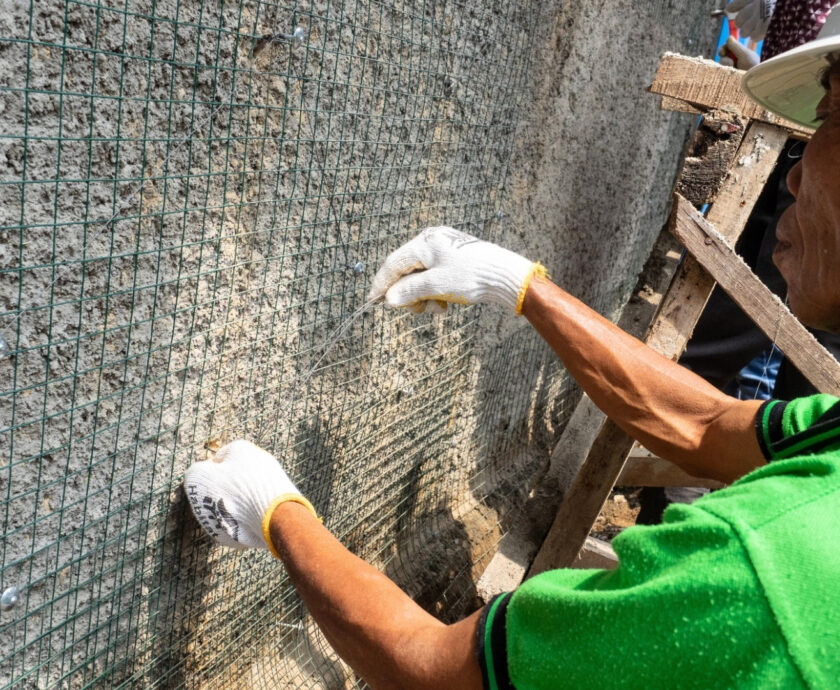
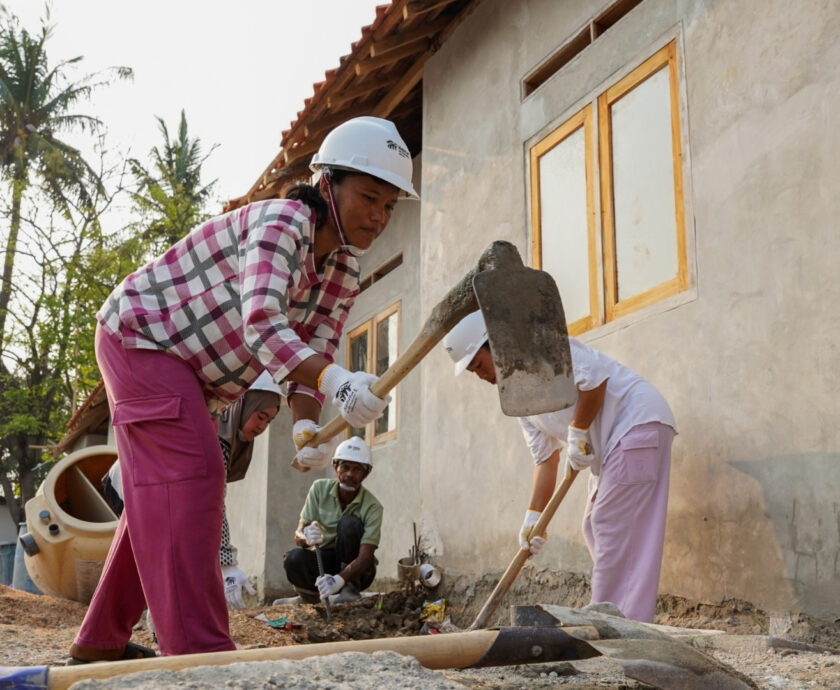
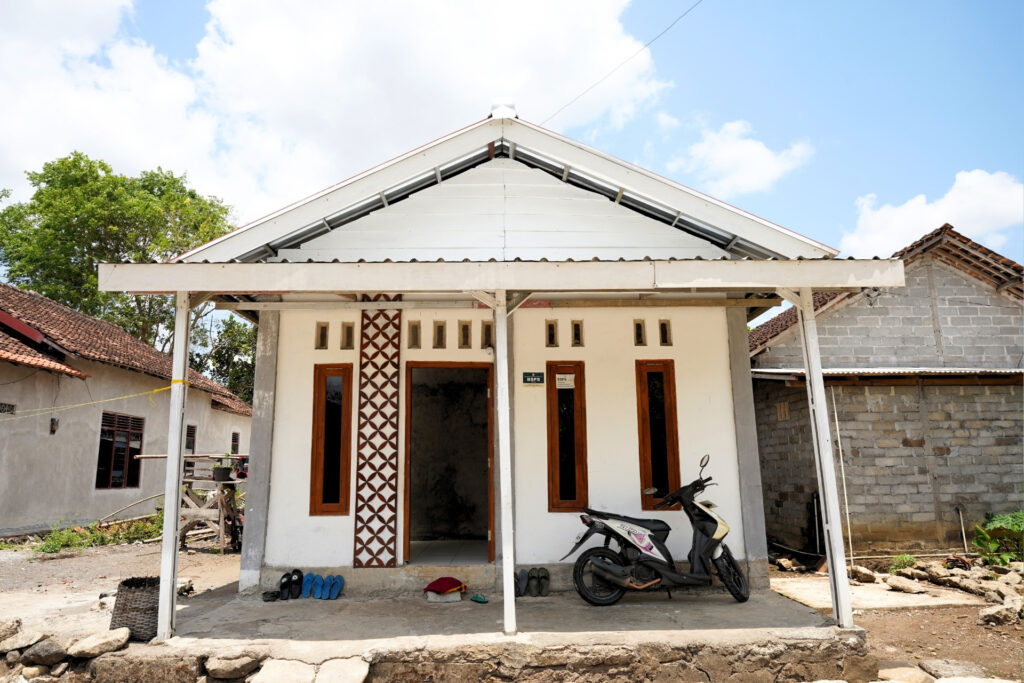
Through this program, Habitat Indonesia was entrusted as the government’s main partner to provide complementary funding that supplemented the BSPS program’s financial support. This collaboration enabled the construction and improvement of homes for 109 low-income families across three districts: Nglipar, Playen, and Patuk.
The one-year program successfully brought real change to beneficiary families. Homes that previously did not meet livability standards have now been improved to become safer, healthier, and more suitable to live in. As a result, these families have gradually moved out of inadequate housing backlog conditions.
Continuing the Collective Effort
Efforts to provide decent housing for communities certainly do not stop here. In the near future, in mid-2026, Habitat for Humanity Indonesia will continue its collaboration with local governments—this time with the Sragen Regency Government—to support the implementation of the BSPS program targeting hundreds of additional families.
Cross-sector collaboration like this is key to addressing Indonesia’s housing backlog challenge. When governments, civil society organizations, the private sector, and communities move together, efforts to provide decent housing for low-income families can progress faster and more sustainably.
Because in the end, a decent home is not just about a place to live. It is a foundation for health, dignity, and a better future for every family.
Let us continue to support this movement. Support from #SahabatHabitat means a great deal in helping more families in Indonesia obtain safe, healthy, and decent homes. Together, we can become part of real change for families who are still waiting for a proper place to call home.
Writer: Kevin Herbian
(kh/av)