
Habitat Updates
Sibolga, 21 January 2026 – Habitat for Humanity Indonesia has moved swiftly into the post-disaster recovery phase following the floods and landslides that struck North Sumatra in late 2025. With the support of donors, Habitat Indonesia has distributed 200 Shelter Kit & Rubble Removal packages out of a total target of 1,000 packages to disaster-affected families in Sibolga, Central Tapanuli, and surrounding areas. This humanitarian action was made possible through the generous financial support of donors.
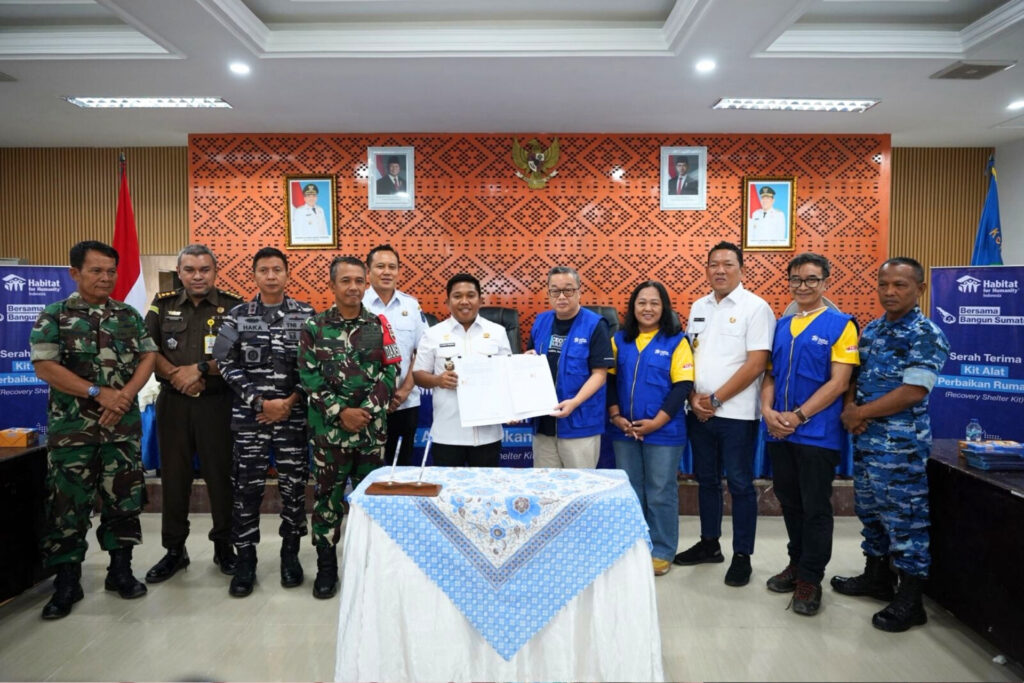
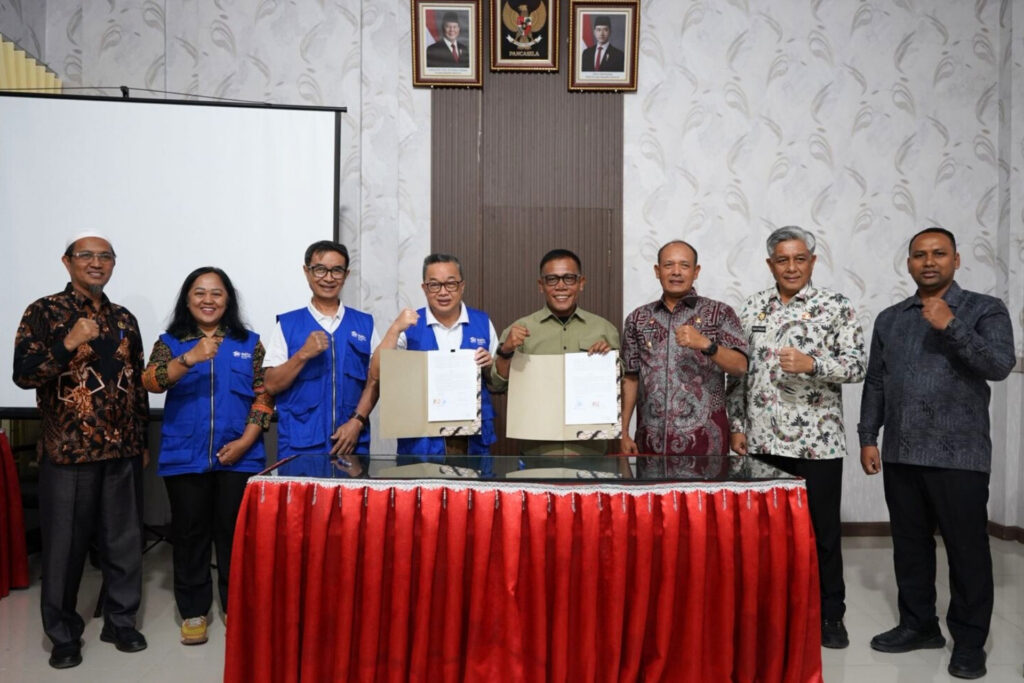
The distribution of assistance was further strengthened by the signing of a Memorandum of Understanding (MoU) between Habitat for Humanity Indonesia and the City of Sibolga, represented by Akhmad Syukri Nazry Penarik, S.Pd., M.H., Mayor of Sibolga, as well as Central Tapanuli Regency, represented by Masinton Pasaribu, S.H., Regent of Central Tapanuli. This formal collaboration aims to harmonize beneficiary data and ensure that the physical housing recovery process aligns with local government spatial planning and disaster risk mitigation strategies. With this legal framework in place, Habitat Indonesia gains broader access to coordinate technical and logistical assistance on the ground.
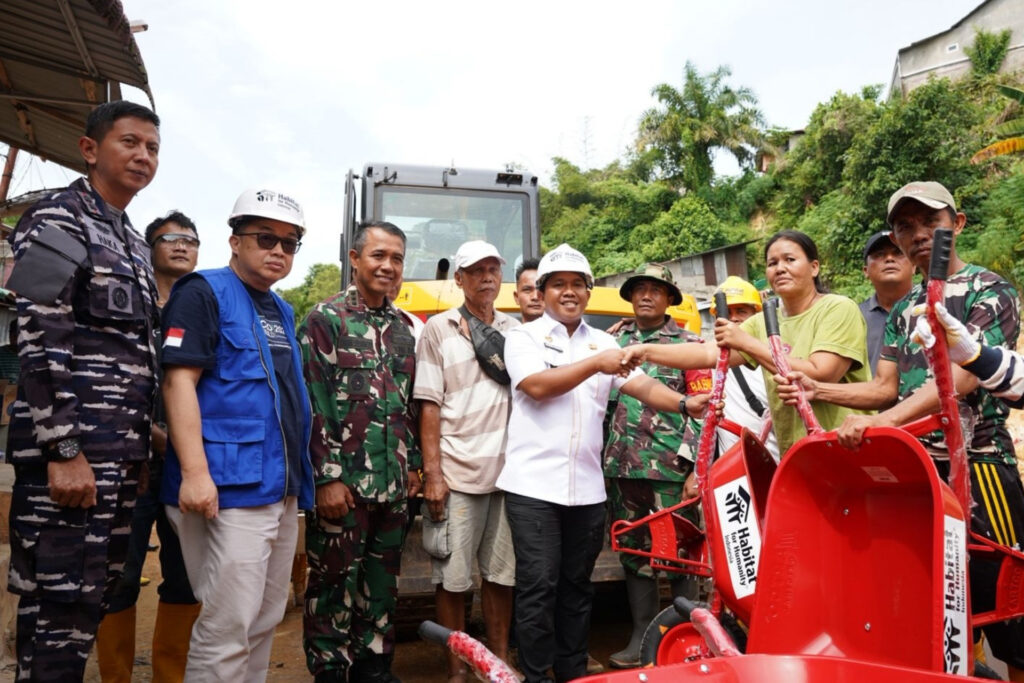
The aid distribution was led directly by Handoko Ngadiman, National Director of Habitat for Humanity Indonesia, and Arwin Soelaksono, Program Director of Habitat for Humanity Indonesia, to ensure that essential equipment was delivered directly to families in need, enabling them to begin repairing their homes independently.
Support Through Home Repair Tools and Rubble Removal Equipment
Based on needs identified in the field, the distributed packages include technical tools for home repairs and debris removal following the floods. Each family received:
- Protective Materials: Two tarpaulins measuring 4 x 6 meters and 15 sacks with a capacity of 50 kg.
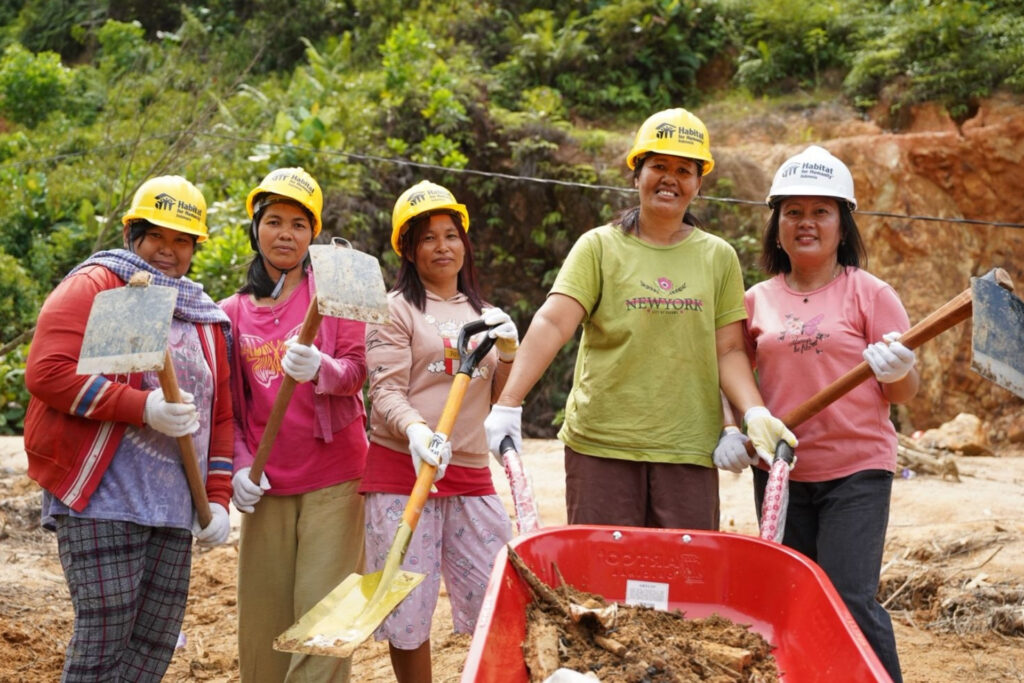
- Carpentry Tools: A medium-sized hammer, a wood saw, a crowbar, a shovel, a hoe with handle, and 2 kg of nails (7 cm and 10 cm sizes).
- Safety Equipment: Three rolls of rope, one dozen work gloves, and two units each of safety helmets, work boots, and safety goggles to ensure community safety during recovery activities.
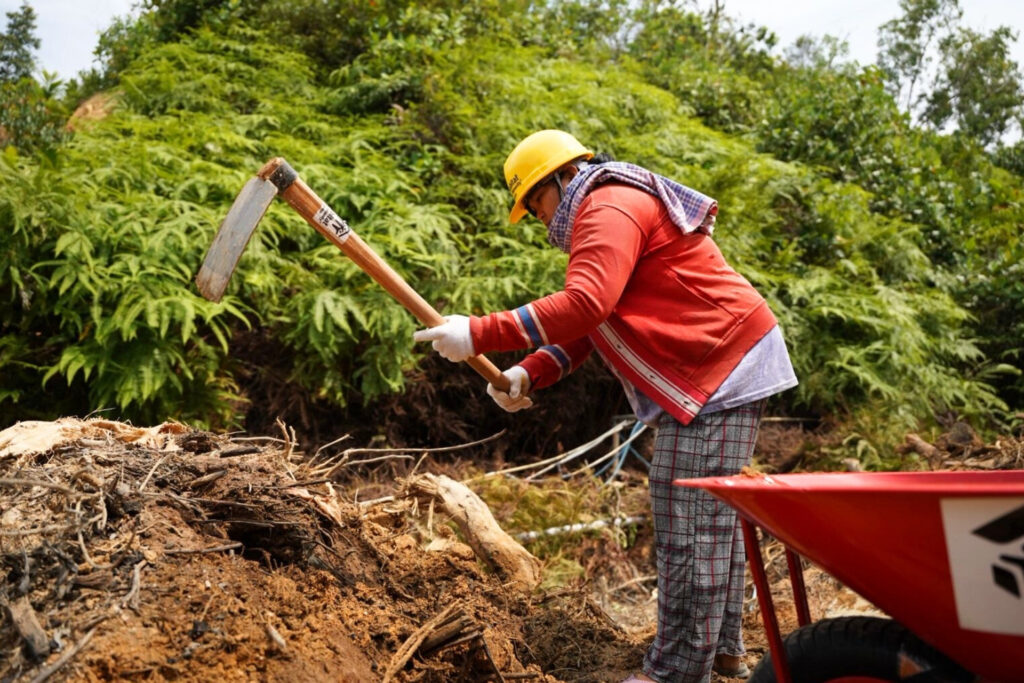
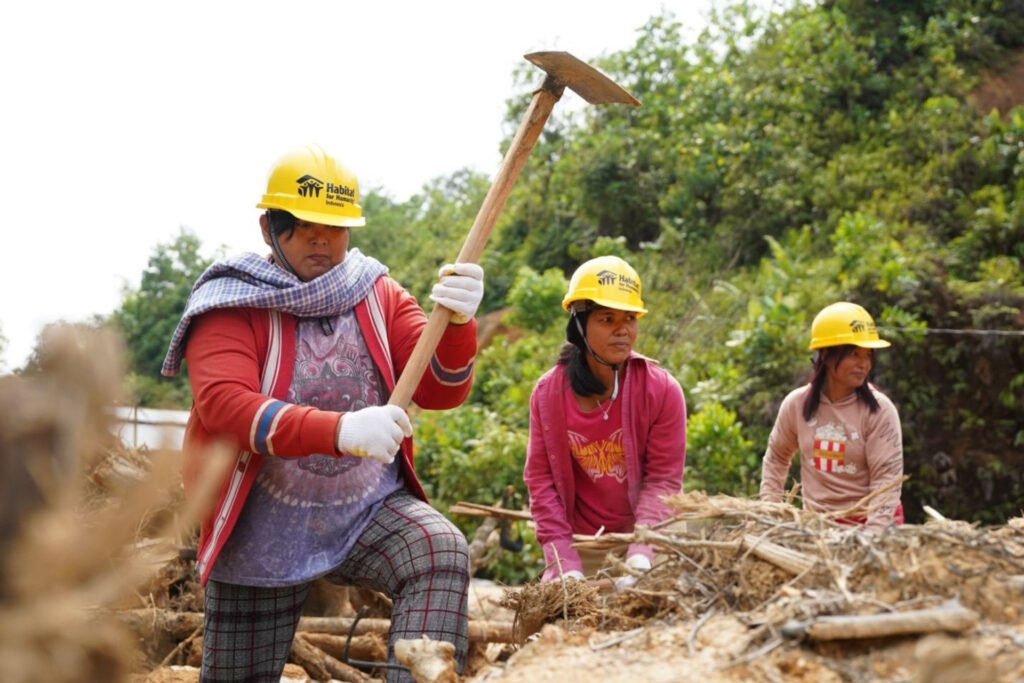
In addition to household-level assistance, Habitat also provided Community Shelter Kits, which include shared equipment such as five wheelbarrows per group to accelerate environmental clean-up efforts.
Two-Year Post-Disaster Recovery Program
The distribution of these shelter kits marks the beginning of Habitat Indonesia’s long-term commitment over the next year, focusing on home repairs and retrofitting, followed by the construction of new housing in the second year.
- Home repairs and retrofitting for 500 houses with minor to moderate damage, focusing on strengthening housing structures to improve safety and resilience against future disaster risks.
- For households whose homes were severely damaged, the program will support the reconstruction of permanent housing in the second year for families who have lost their homes.
- Women’s empowerment in post-disaster reconstruction, aimed at strengthening the role of women as key drivers of recovery efforts. This program emphasizes the active involvement of mothers in leading the recovery and housing reconstruction process for their families, positioning women as the primary agents of rebuilding in post-disaster communities.
“The distribution of shelter kits is only the first step of our long-term commitment in North Sumatra. Through strategic collaboration with the Sibolga City Government and the Central Tapanuli Regency Government, we are ensuring that the recovery process is not carried out in isolation, but is aligned with local disaster risk reduction efforts. Our focus is sustainability—we are not only rebuilding physical structures, but also strengthening community resilience, particularly the role of women, so they are empowered to safeguard and pass on safer housing for future generations,” said Handoko Ngadiman, National Director of Habitat for Humanity Indonesia.
Habitat for Humanity Indonesia believes that the active involvement of women is crucial to the sustainability of post-disaster recovery. As individuals who best understand domestic needs and family safety, women bring attentiveness and emotional resilience to the housing recovery process. By positioning women as key decision-makers in reconstruction, the homes built will not only be physically strong but also safer, more inclusive, and more resilient spaces for all family members in the future.
Habitat for Humanity Indonesia continues to welcome support from #SahabatHabitat who wish to take part in post-disaster recovery efforts in Sibolga and surrounding areas. Public support will strengthen long-term recovery initiatives, from home repairs to the construction of safer and more resilient housing for disaster survivors. Contributions can be made through the donation campaign at kitabisa.com/campaign/bangunharapansibolga, as a tangible expression of solidarity to help families rebuild their lives and restore hope.
Photo: HFHI/Budi Ariyanto
Writer: Astridinar Vania
(as/kh)