
Habitat Updates
Yogyakarta, March 31, 2026 – Water is the source of life and a fundamental human right. However, for many communities in Indonesia, access to clean water and adequate sanitation remains a real challenge.
As part of the global commitment to Sustainable Development Goal 6 (SDG 6), access to safe drinking water, proper sanitation, and good hygiene practices forms a critical foundation for creating a healthy and dignified life. Without these, a house cannot fully function as a safe space for growth and development.
To address this challenge, Habitat for Humanity Indonesia, through the project “Strengthening Local Community Resilience in the Water and Sanitation Sector,” has implemented an integrated program to improve access to water, sanitation, and decent housing over the past three years.
The program was carried out in phases across three locations: Babakan Madang (Bogor) from March 2023 to March 2024, Wringinanom (Gresik) from March 2024 to March 2025, and Nglipar (Gunung Kidul, Yogyakarta) from March 2025 to March 2026. This phased approach allowed adaptation to local contexts while strengthening implementation quality through continuous learning from each phase.
From Infrastructure to Behavior Change
Through an integrated approach, the program focused not only on physical development but also on behavior change and community capacity building.
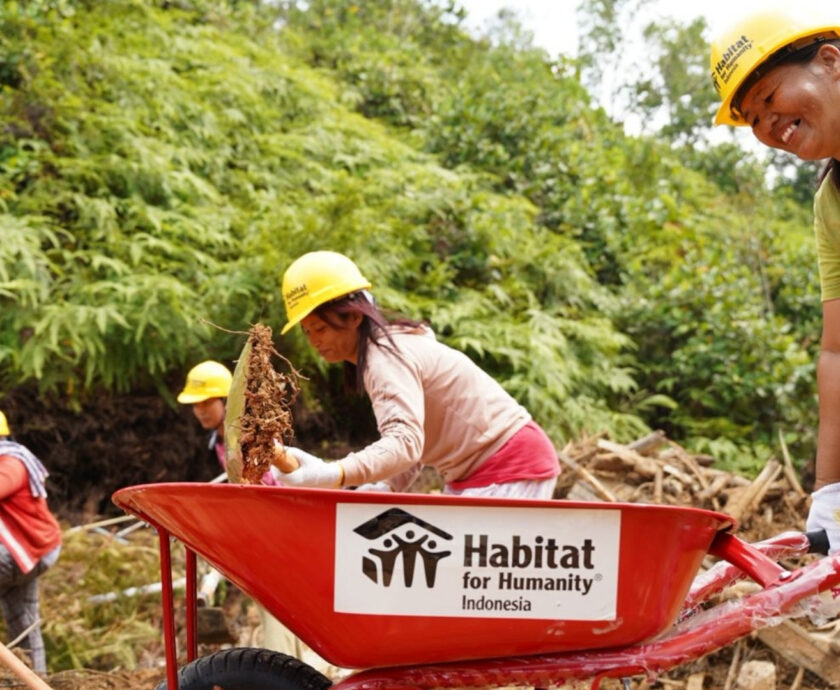
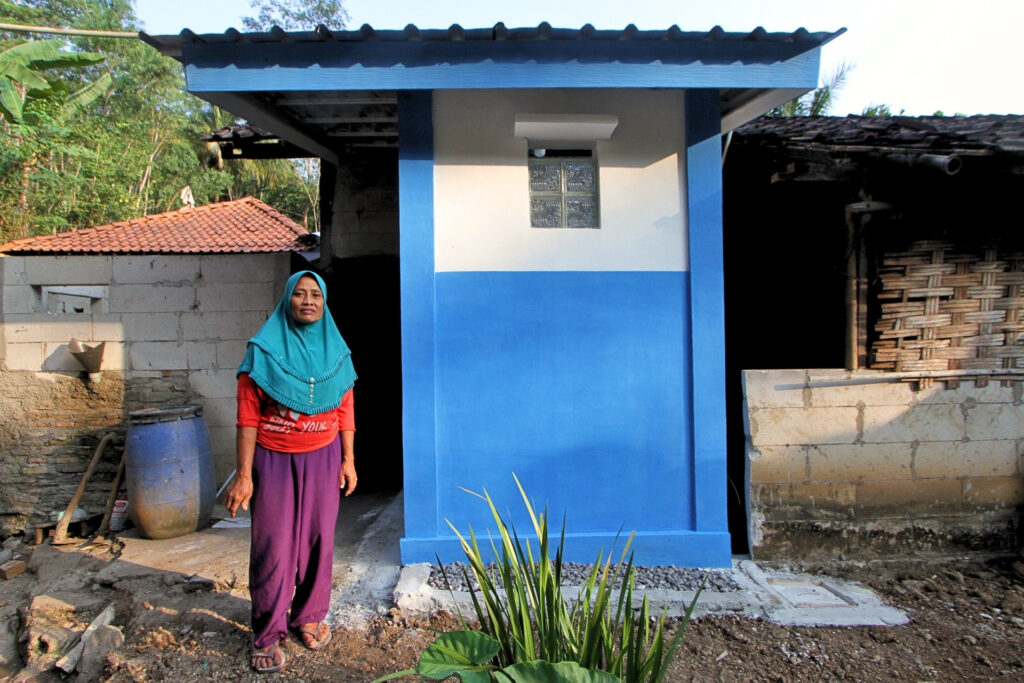
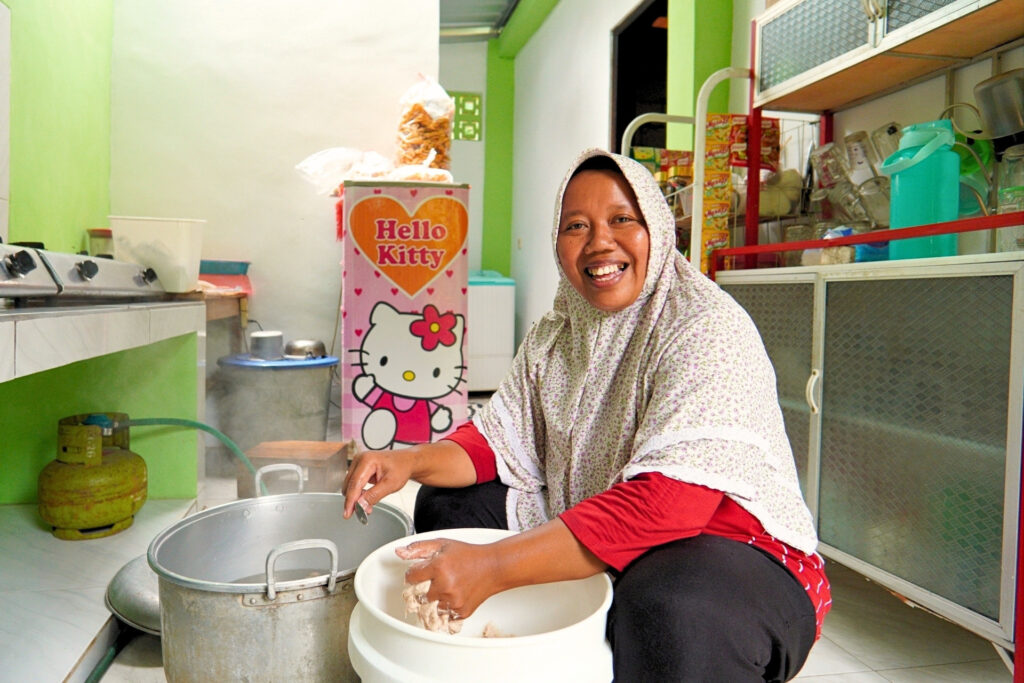
A total of 75 houses were renovated, with improvements centered on water, sanitation, and hygiene (WASH) facilities, including the construction of hygienic toilets, installation of water tanks, and upgrades to kitchens and ventilation. In addition, 60 families now have access to safer and more adequate private sanitation facilities.
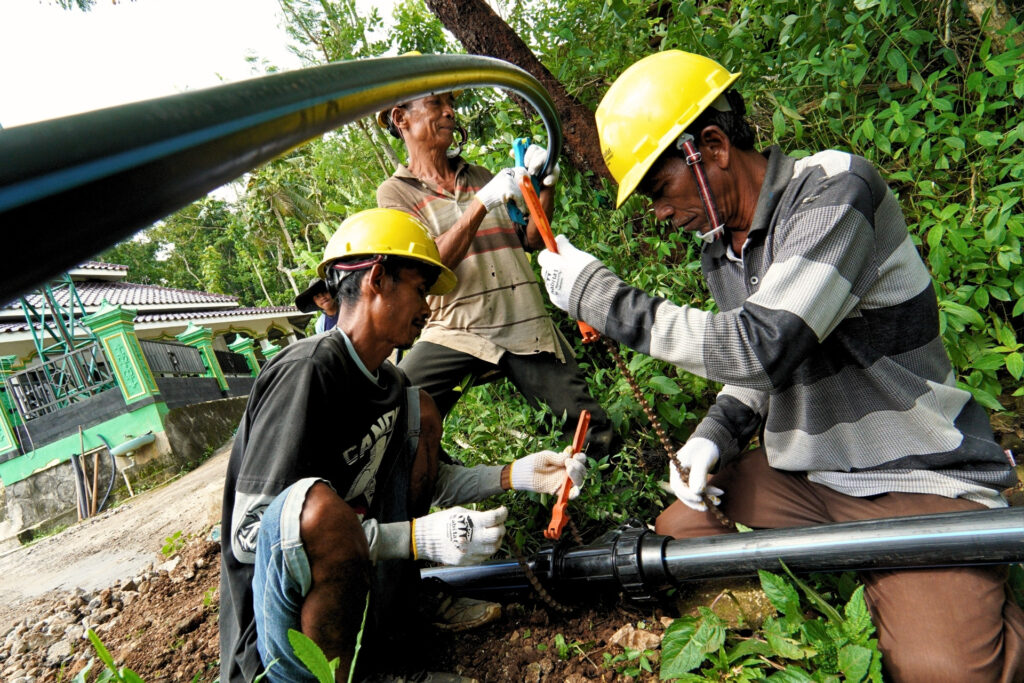
At the community level, more than 2,250 families, or over 10,000 individuals, now have access to clean water through solutions tailored to local conditions—ranging from the utilization of natural springs to community-managed water distribution systems.
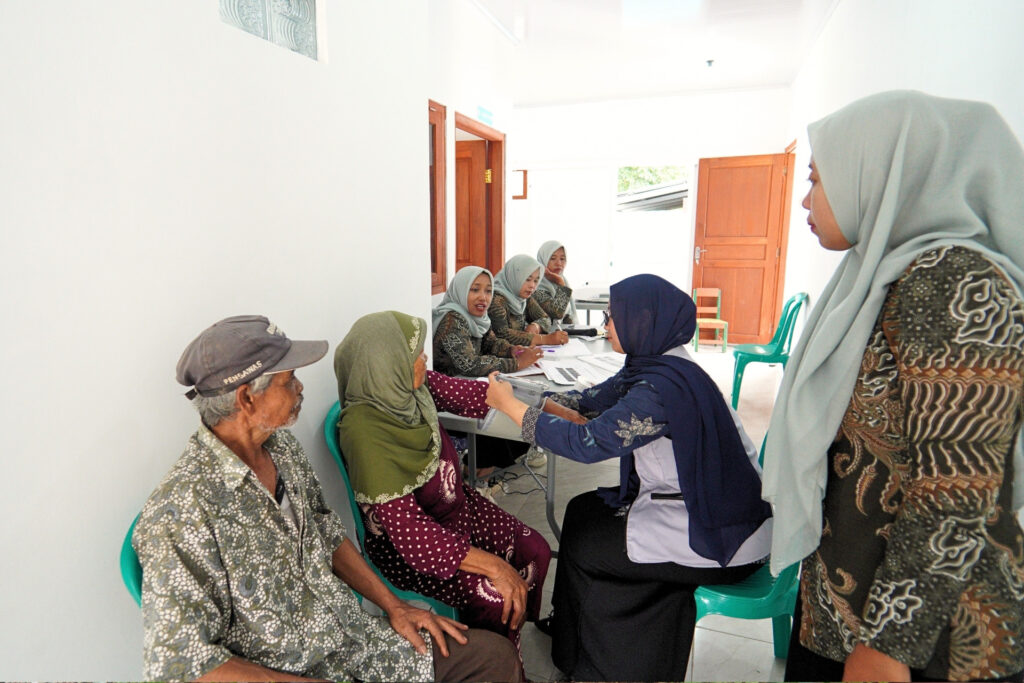
These efforts were further strengthened by the renovation of 32 integrated health posts (posyandu) to improve maternal and child health services.
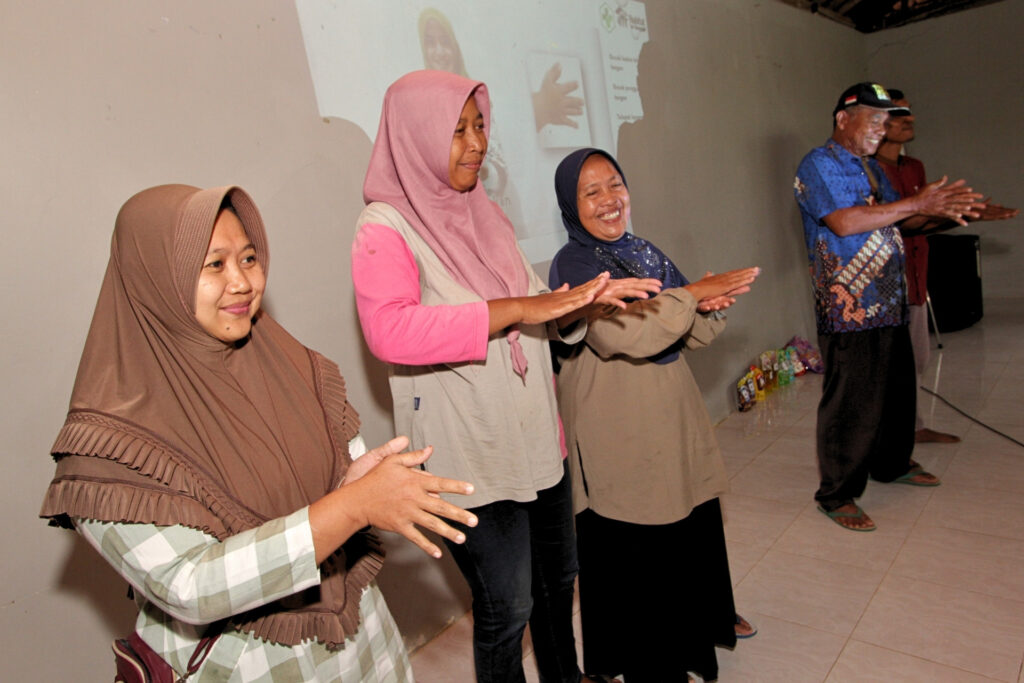
Beyond infrastructure, the program also emphasized behavior change as a key to sustainability. A total of 135 families received education on home maintenance and the adoption of clean and healthy living practices. Meanwhile, 2,250 community members were equipped with knowledge on hygiene, sanitation, and family health practices, including safe water usage and proper handwashing habits.
To ensure long-term sustainability, 90 members of local water committees were also trained and strengthened to manage water facilities at the community level.
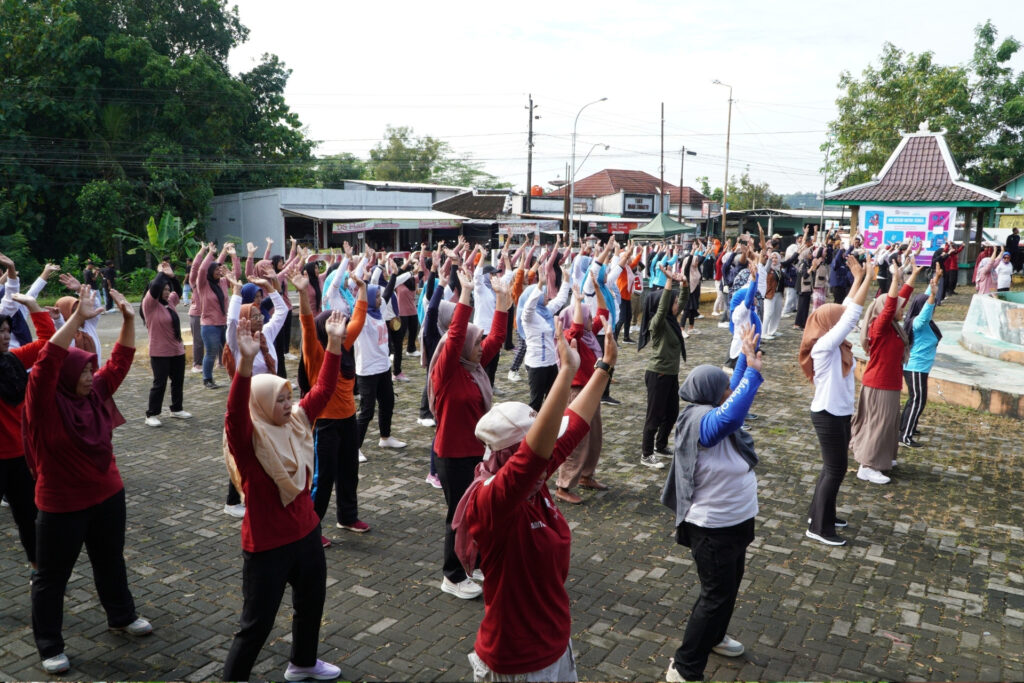
Public awareness was further expanded through various campaigns reaching more than 3,775 individuals, including activities commemorating World Water Day and World Toilet Day, as well as other educational initiatives promoting awareness of clean water and sanitation.
Read also: Hope Rising from Ibu Sri’s Small Kitchen
Data-Driven Learning for Sustainable Impact
As part of the Monitoring, Evaluation, Accountability, and Learning (MEAL) system, baseline studies were conducted in each location to assess initial conditions related to housing quality, water and sanitation access, WASH behaviors, and community capacity.
Following the completion of all interventions, endline (impact) studies were conducted to measure the extent to which the project delivered tangible and measurable changes in people’s lives.
The findings serve not only as evaluation reports but also as a foundation for broader learning. Through a Learning Event, evidence-based insights are disseminated to reflect on the effectiveness of integrating housing and WASH approaches, while also exploring the potential for replicating this model to support the achievement of SDG 6 and improve settlement quality.
Fostering Collaboration for a Healthier Future
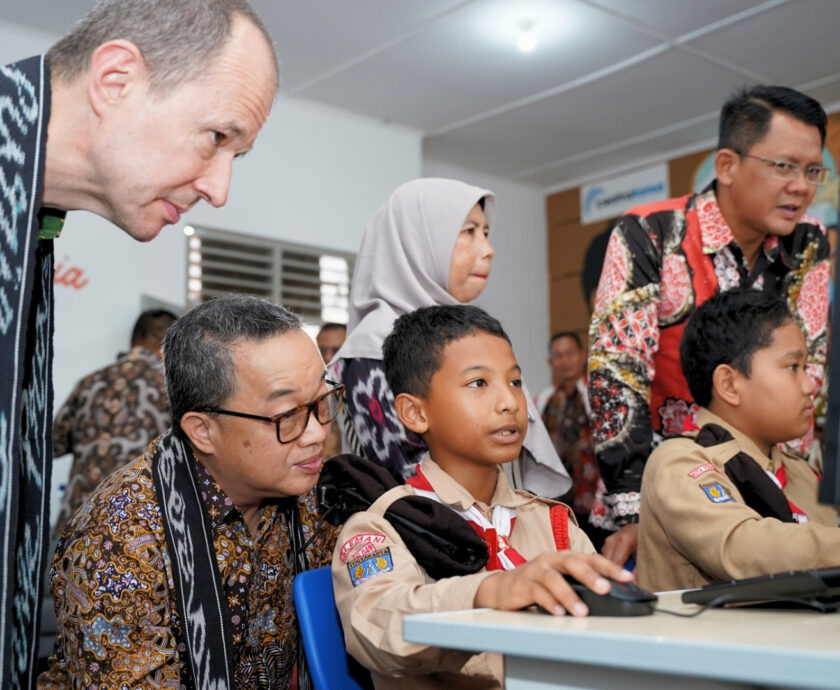
To conclude the program, Habitat for Humanity Indonesia organized a Learning Event on Tuesday, March 31, 2026. The event involved a wide range of stakeholders, including representatives from national and local governments, civil society organizations, development partners, academics, and community representatives.
Through this forum, participants reflected on program achievements, identified key success factors and challenges, and formulated evidence-based strategic recommendations to strengthen sustainable WASH services.
More importantly, the event aimed to reinforce cross-sector collaboration and encourage shared commitment to expanding access to clean water, proper sanitation, and healthy housing for all communities.
Flowing Hope, Strengthening Lives
Over the three years of implementation, the program has impacted more than 200,000 people, both directly and indirectly. However, the true impact lies not only in the infrastructure built, but in the meaningful changes experienced by the communities.
Together with government partners, stakeholders, and communities, Habitat for Humanity Indonesia continues to strengthen resilience and promote healthier, more sustainable living. Because every family deserves to live in a home that is decent, healthy, and dignified.
Photo: HFHI/Patrik Cahyo & Kevin Herbian
Writer: Syefira Salsabilla
(av/kh)