
Category: Habitat Updates

HFHI – Tanjung Kait
Habitat Updates

Habitat for Humanity Indonesia and Tangerang Regency Government Inaugurate Tanjung Kait Revitalization for Coastal Communities

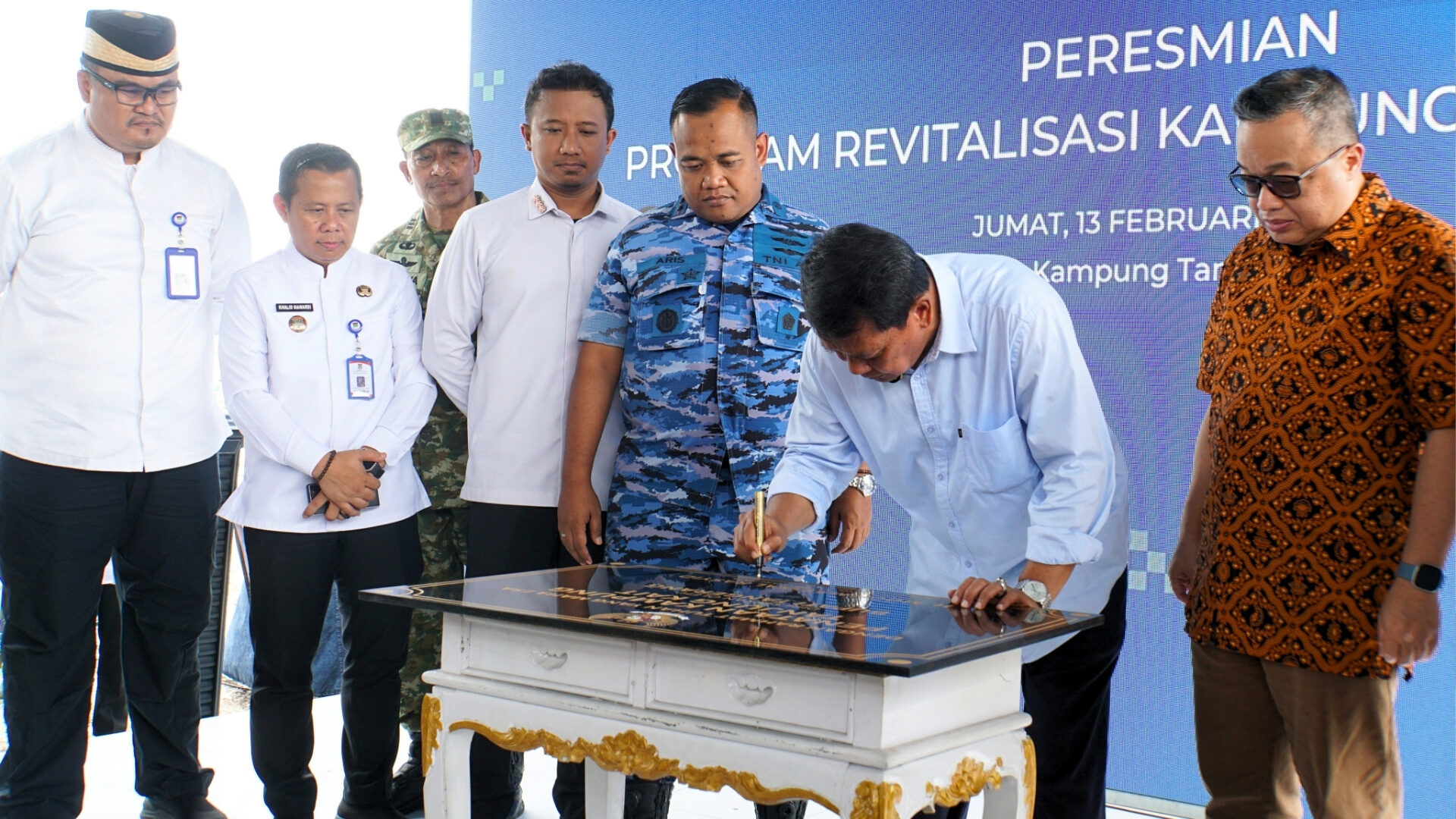
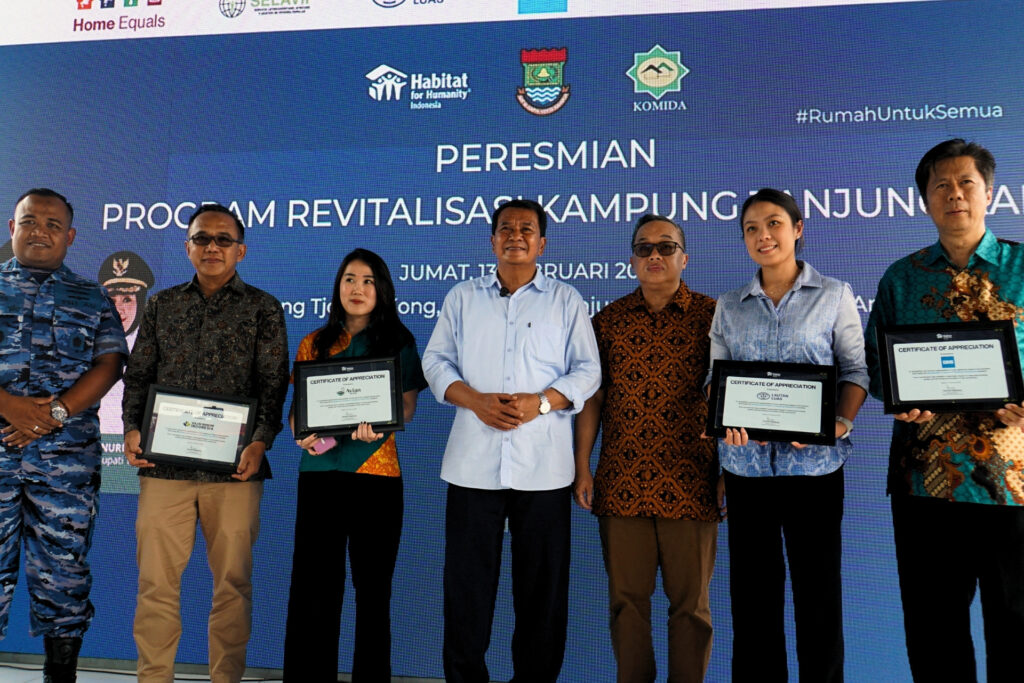
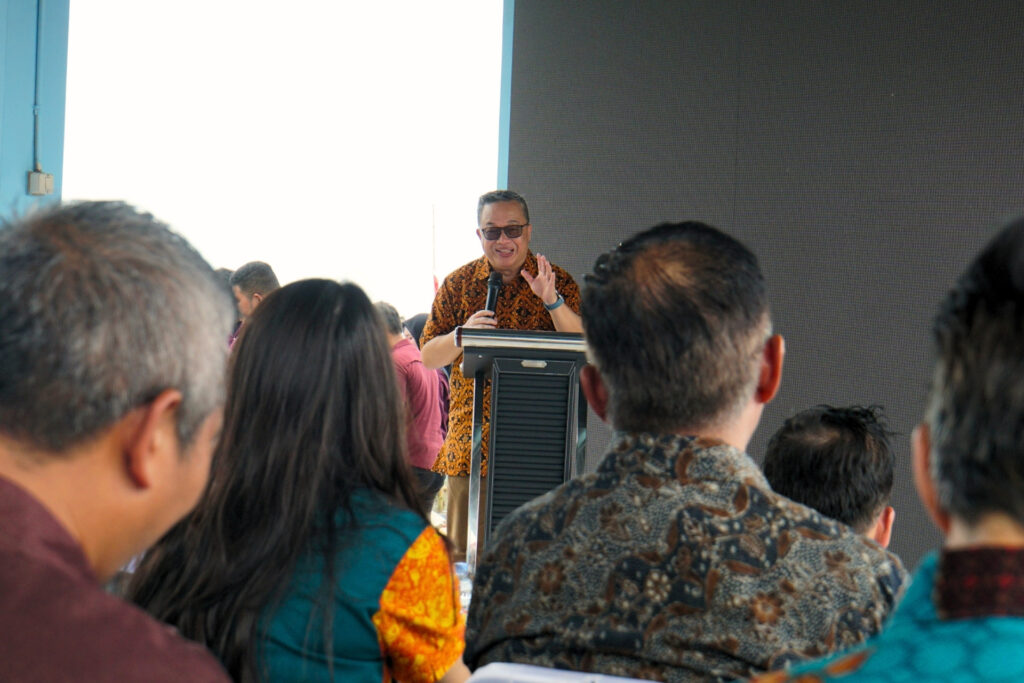
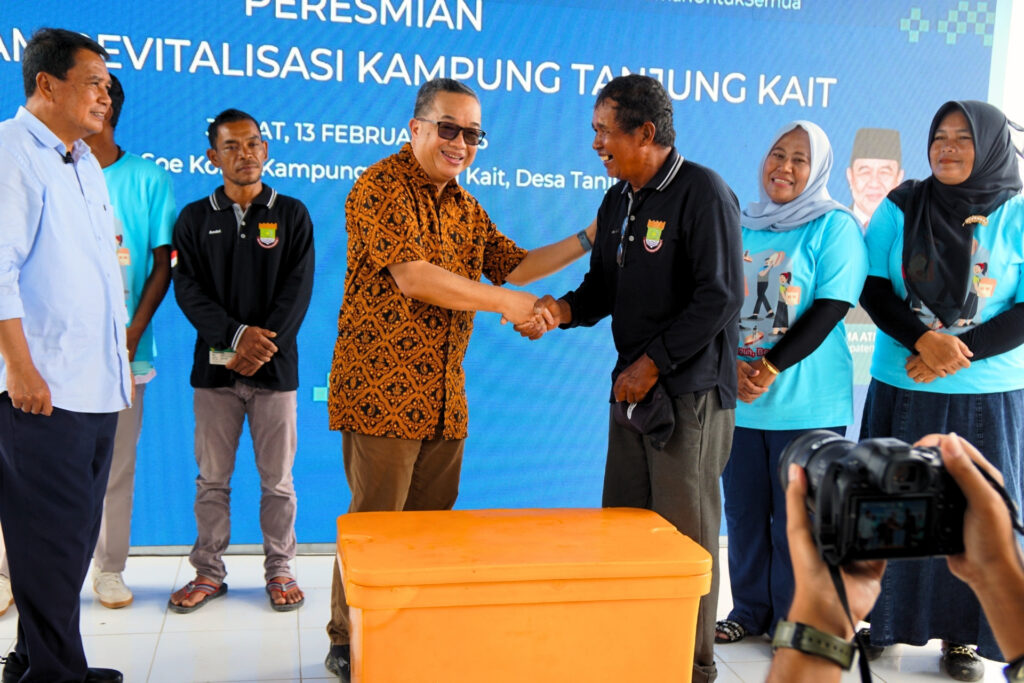
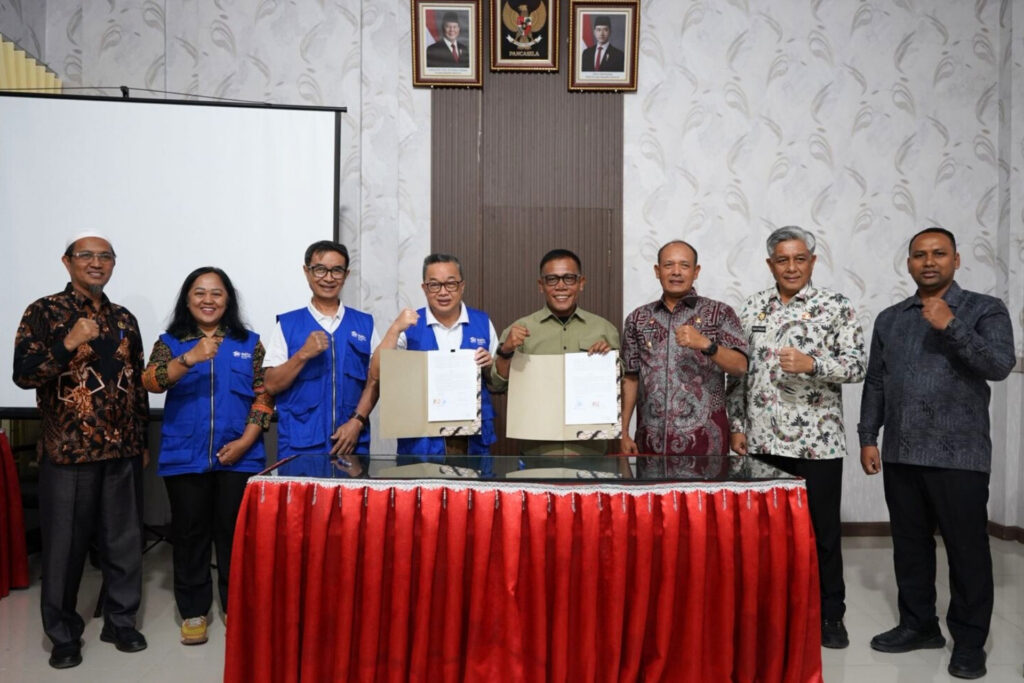
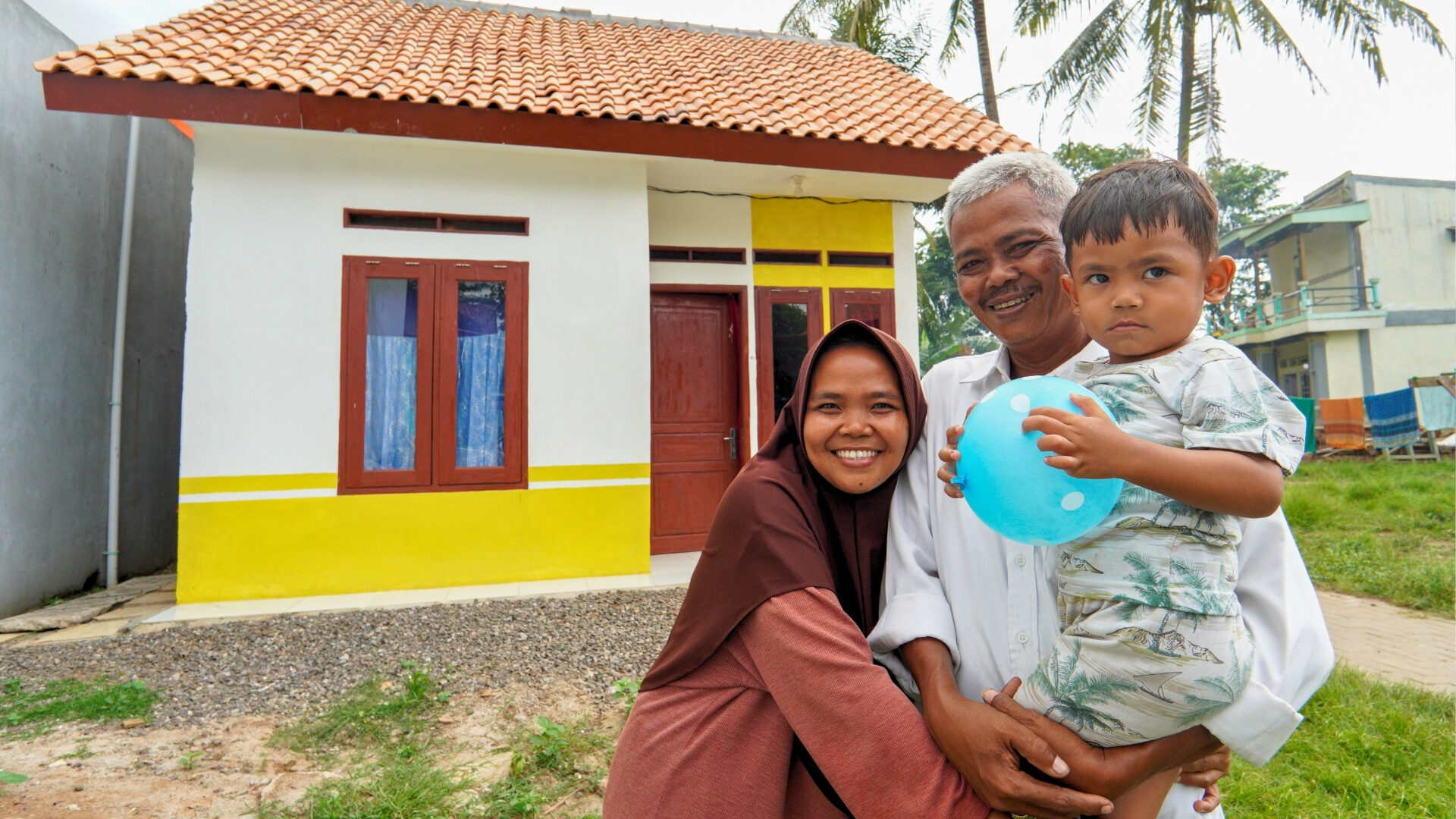
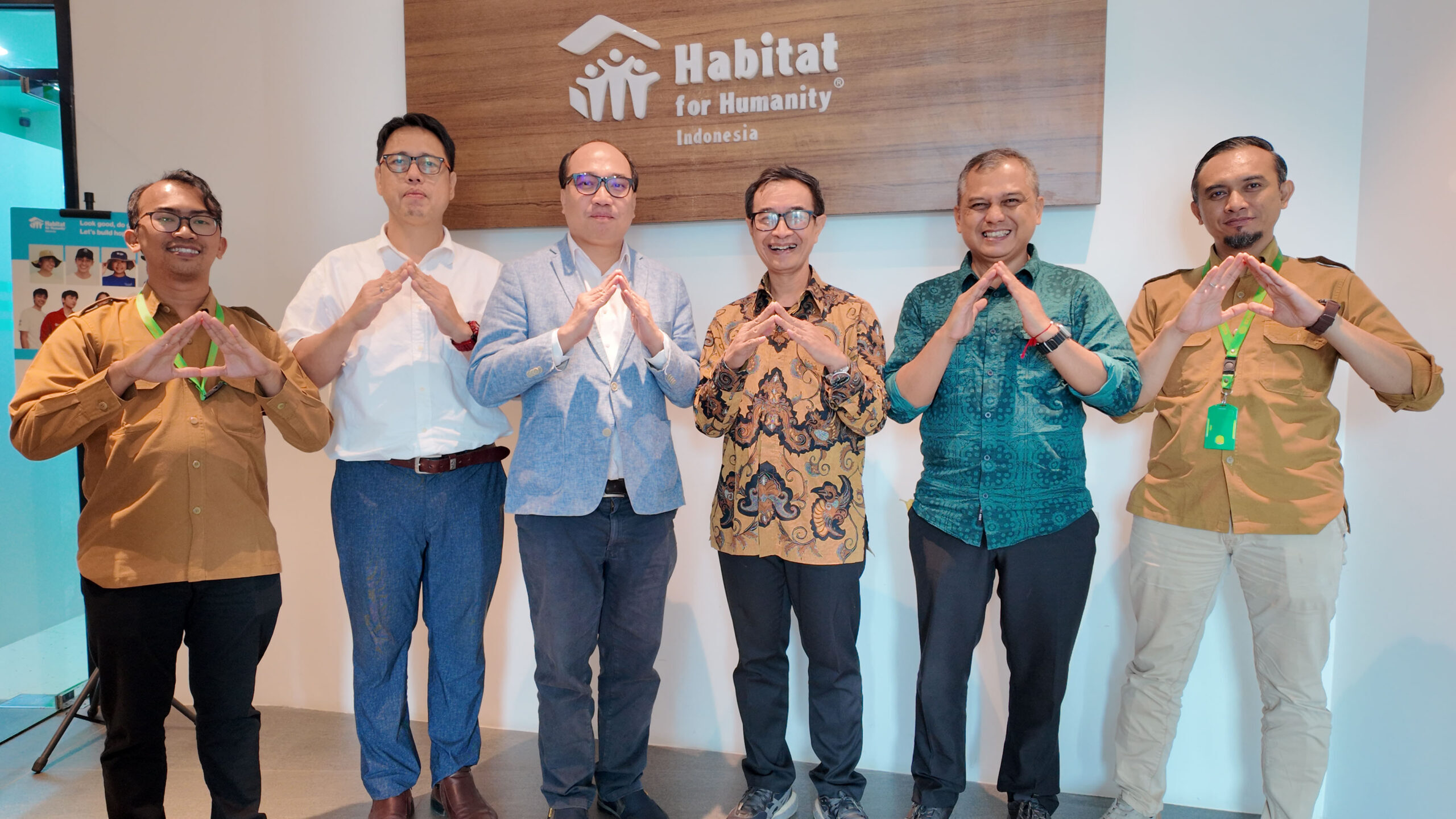
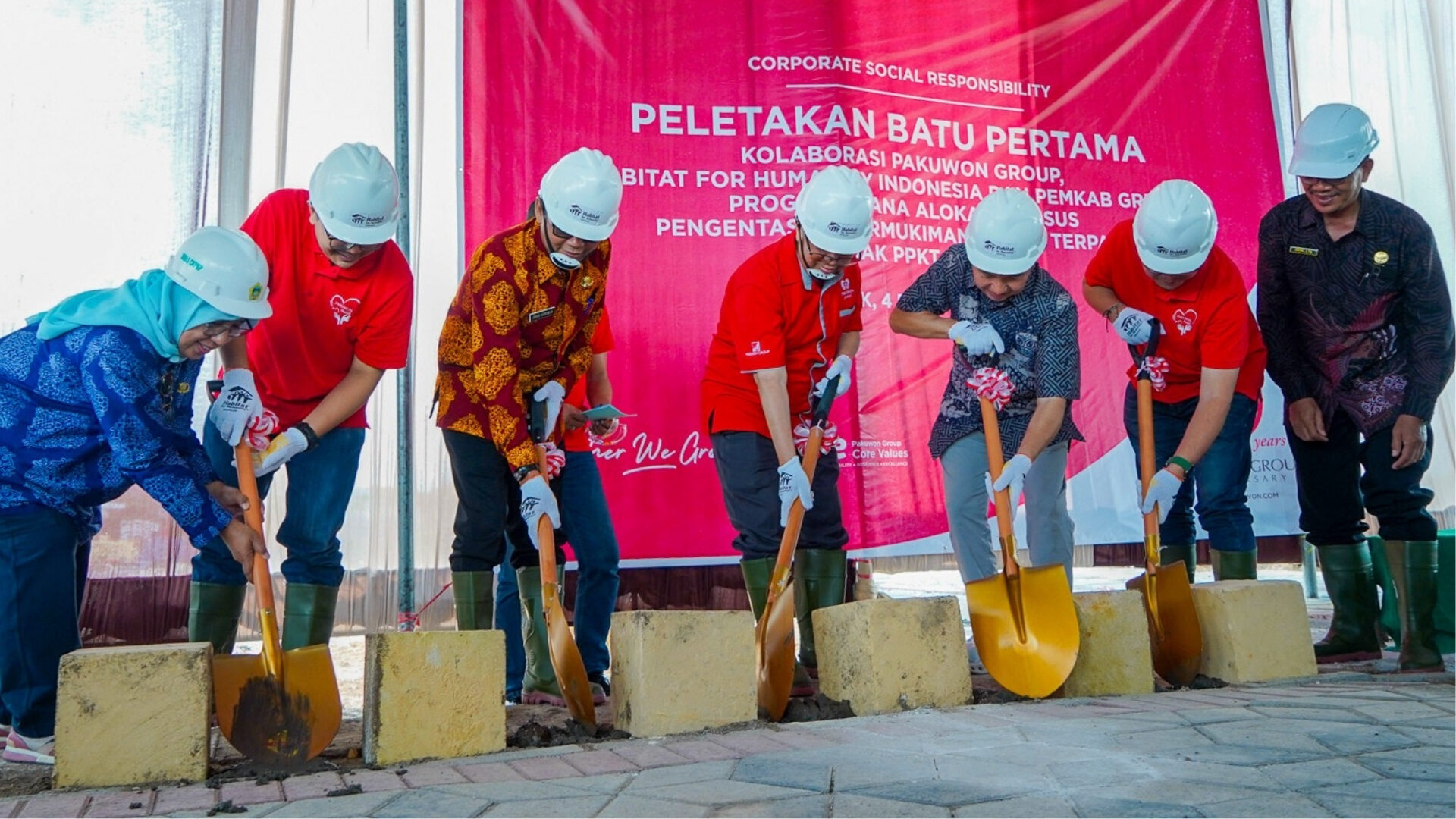
Tangerang, February 13, 2026 – Habitat for Humanity Indonesia, together with the Tangerang Regency Government and the Ministry of Housing and Settlement Areas (PKP), officially held the Handover Ceremony of the Tanjung Kait Revitalization Program in Kampung Tanjung Kait, Tanjung Anom Village, Mauk District, on Friday (February 13). The event was inaugurated by Handoko Ngadiman, National Director of Habitat for Humanity Indonesia; Drs. Moch. Maesyal Rasyid, M.Si., Regent of Tangerang Regency; and representatives from the Ministry of Housing and Settlement Areas.

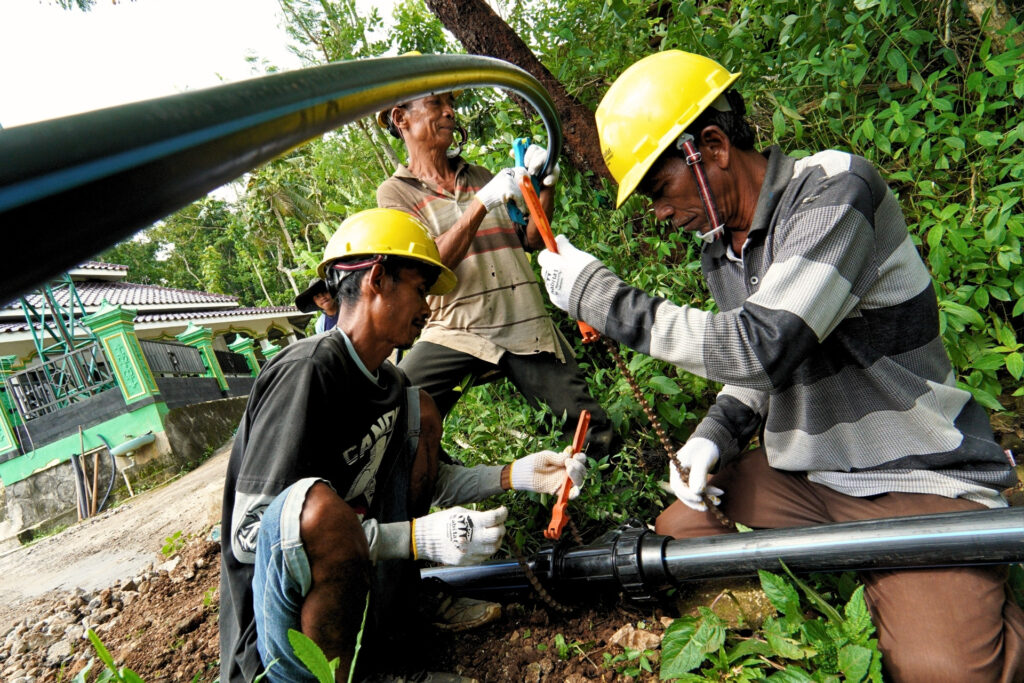
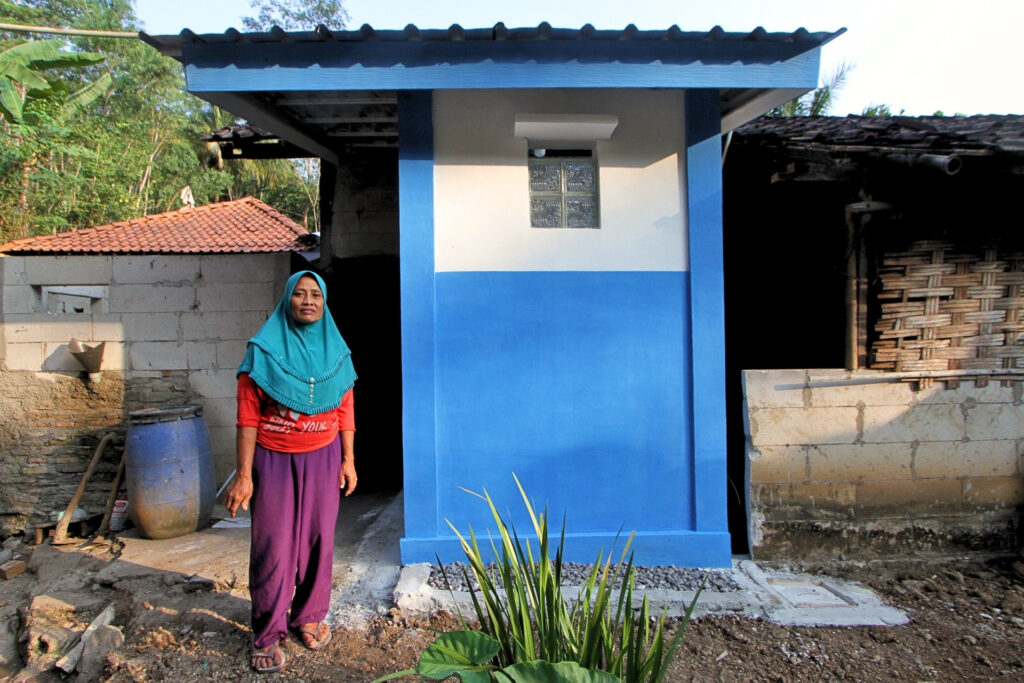
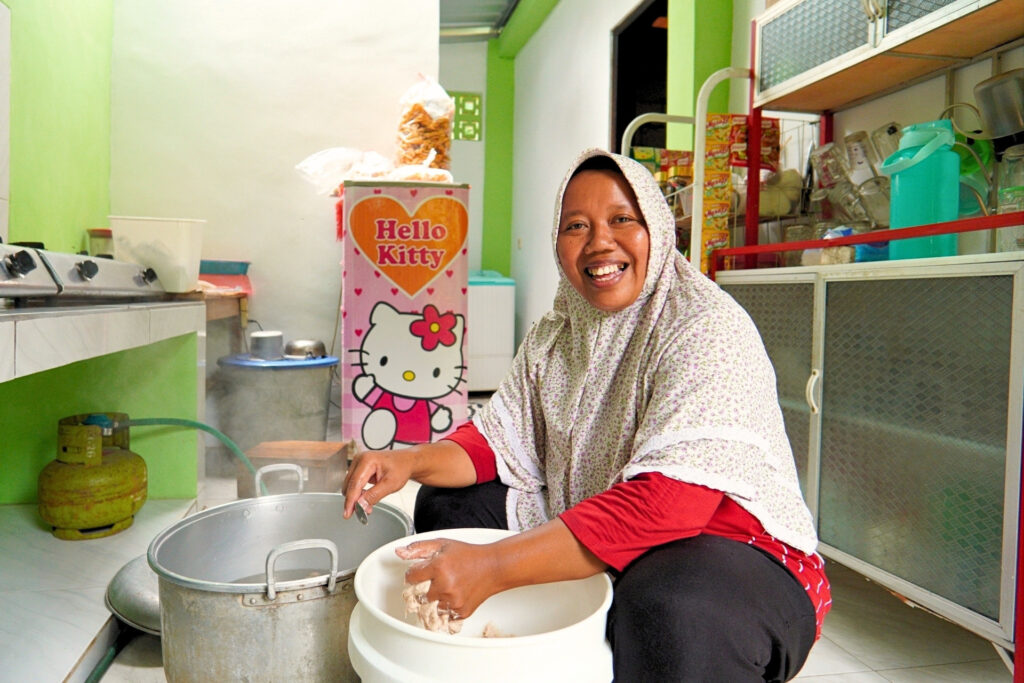
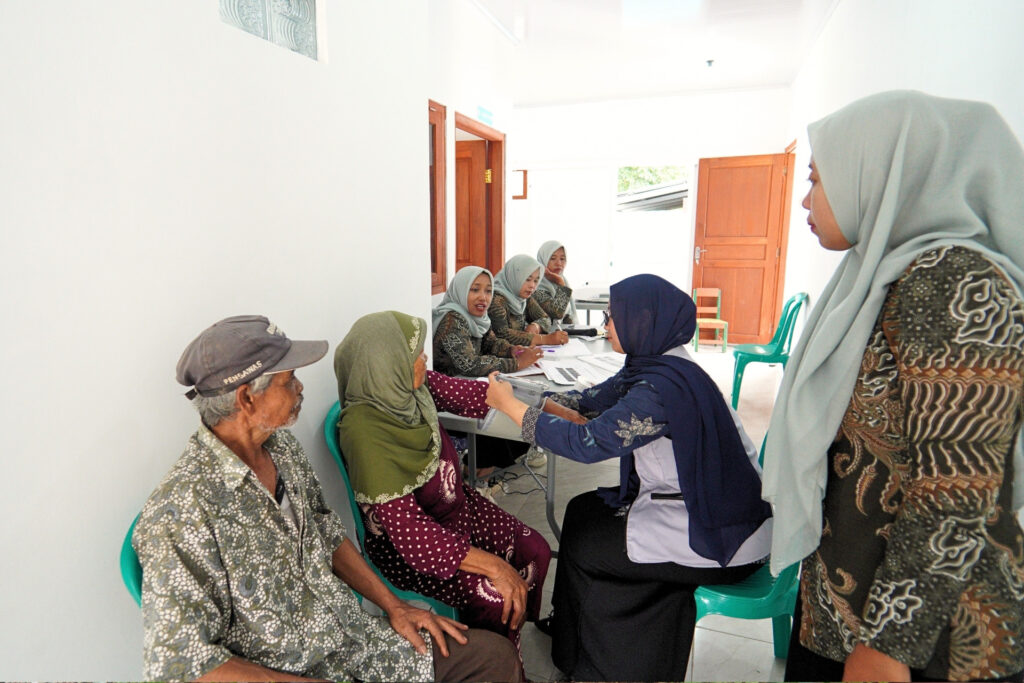
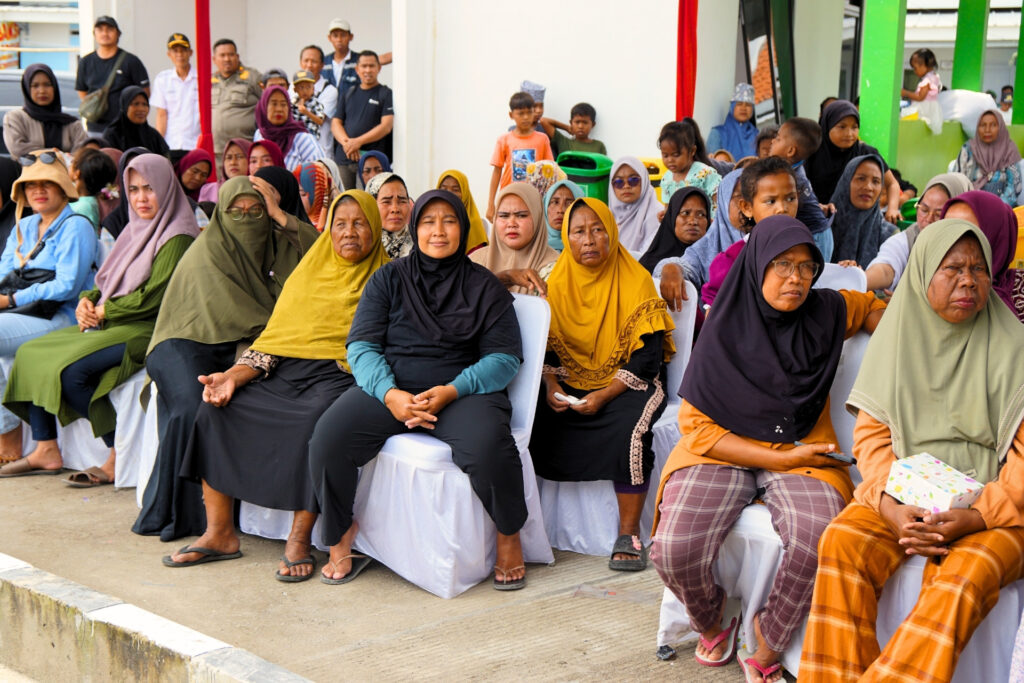
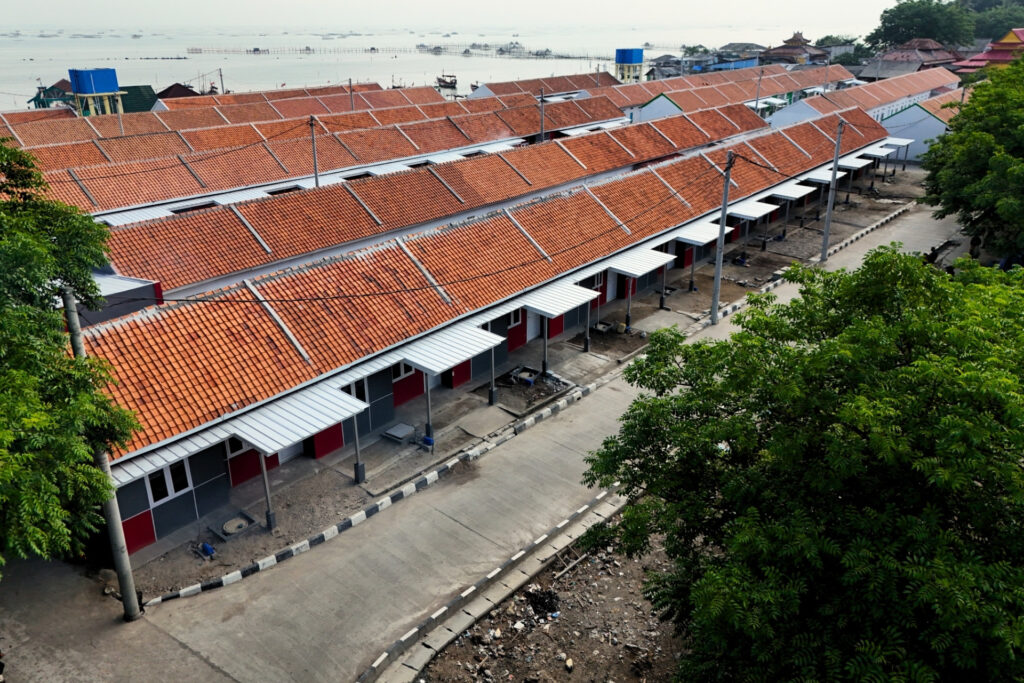
The Tanjung Kait Revitalization Program is a multi-stakeholder collaborative initiative aimed at improving the quality of life of coastal communities, particularly low-income fishing families, through the provision of adequate housing, access to secure land tenure, and the development of basic infrastructure that supports healthier and safer living conditions. The program reaches approximately 110 families who previously lived in substandard housing with limited access to clean water, sanitation, and other essential facilities.

Through this program, residents not only receive decent and safer homes designed to withstand coastal environmental risks, but also gain greater security of land tenure through a financing scheme facilitated jointly with partners, along with support throughout the construction process. The area development is complemented by supporting infrastructure such as neighborhood roads, drainage systems, clean water networks, public facilities, and communal spaces that promote healthier and more productive community life.

Since its launch in 2021 using a participatory approach involving residents, local government, Koperasi Mitra Dhuafa (Komida), Selavip, PT Lautan Luas Tbk, BMI Monier, PT Avia Avian Tbk, PT Solusi Bangun Indonesia Tbk, and PT Prudential Life Assurance, the revitalization has become a symbol of transformation—turning what was once considered a slum coastal area into an organized, safe, and sustainable residential community. The program also forms part of a long-term effort to ensure that residents have access to decent housing while improving their social and economic well-being.

Read also: The Spirit of a Strong Woman Behind the Revitalization of Tanjung Kait Village

Handoko Ngadiman, National Director of Habitat for Humanity Indonesia, stated that the program is rooted in the needs of the community.

“Seeing families in Tanjung Kait now living in safe homes with secure tenure brings us great joy. We hope this revitalization serves as a strong foundation for the Tanjung Kait community to continue progressing toward a better future. With a healthier environment and improved access to infrastructure, we believe this positive transformation will bring a renewed sense of safety and dignity to every beneficiary family. We would also like to express our sincere appreciation to all partners who have actively contributed to this revitalization,” said Handoko Ngadiman.

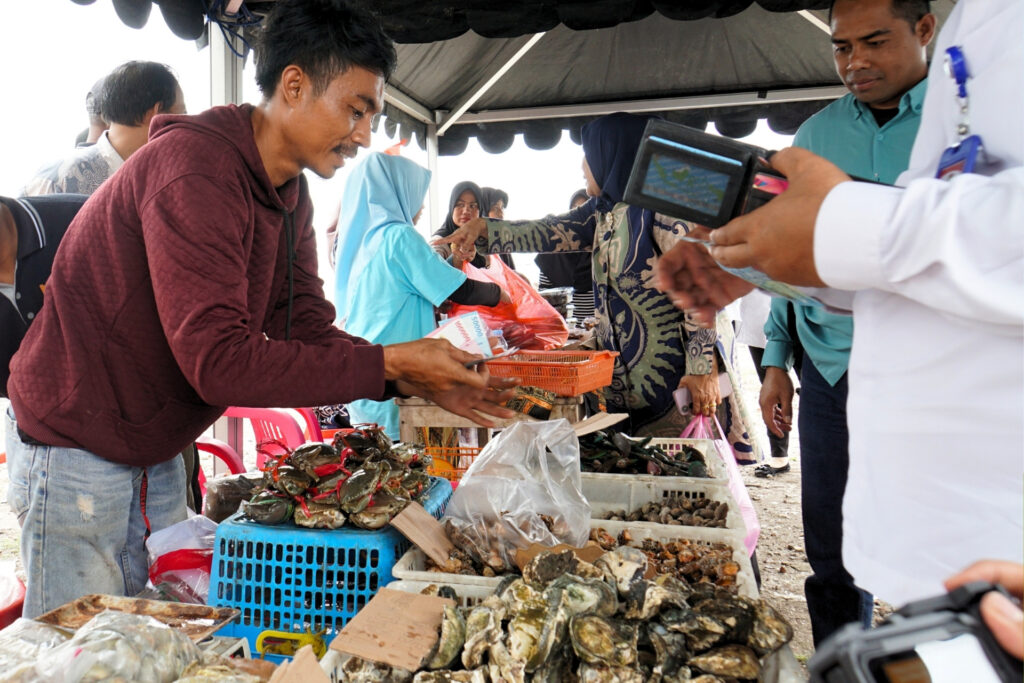
The Regent of Tangerang Regency, Drs. Moch. Maesyal Rasyid, M.Si., reaffirmed the local government’s commitment to improving the quality of life of coastal communities, particularly fishermen who play an essential role in the regional economy. This revitalization aligns with the region’s vision for sustainable and inclusive development by providing healthy, safe, and well-organized living environments.

With the completion of construction and the official handover, the residents of Kampung Tanjung Kait now embark on a new beginning—living in a more decent, safer environment that offers renewed hope for future generations. The revitalization is also expected to serve as a model for the development of other coastal villages across various regions, enabling more families to experience the benefits of adequate housing, healthy environments, and improved well-being.

Photo & Writer: HFHI/Syefira Salsabilla

(kh/av)

HFHI – DR Sumatera
Habitat Updates

Habitat Indonesia Reaches 676 Families, Strengthens Post-Disaster Recovery in North Sumatra

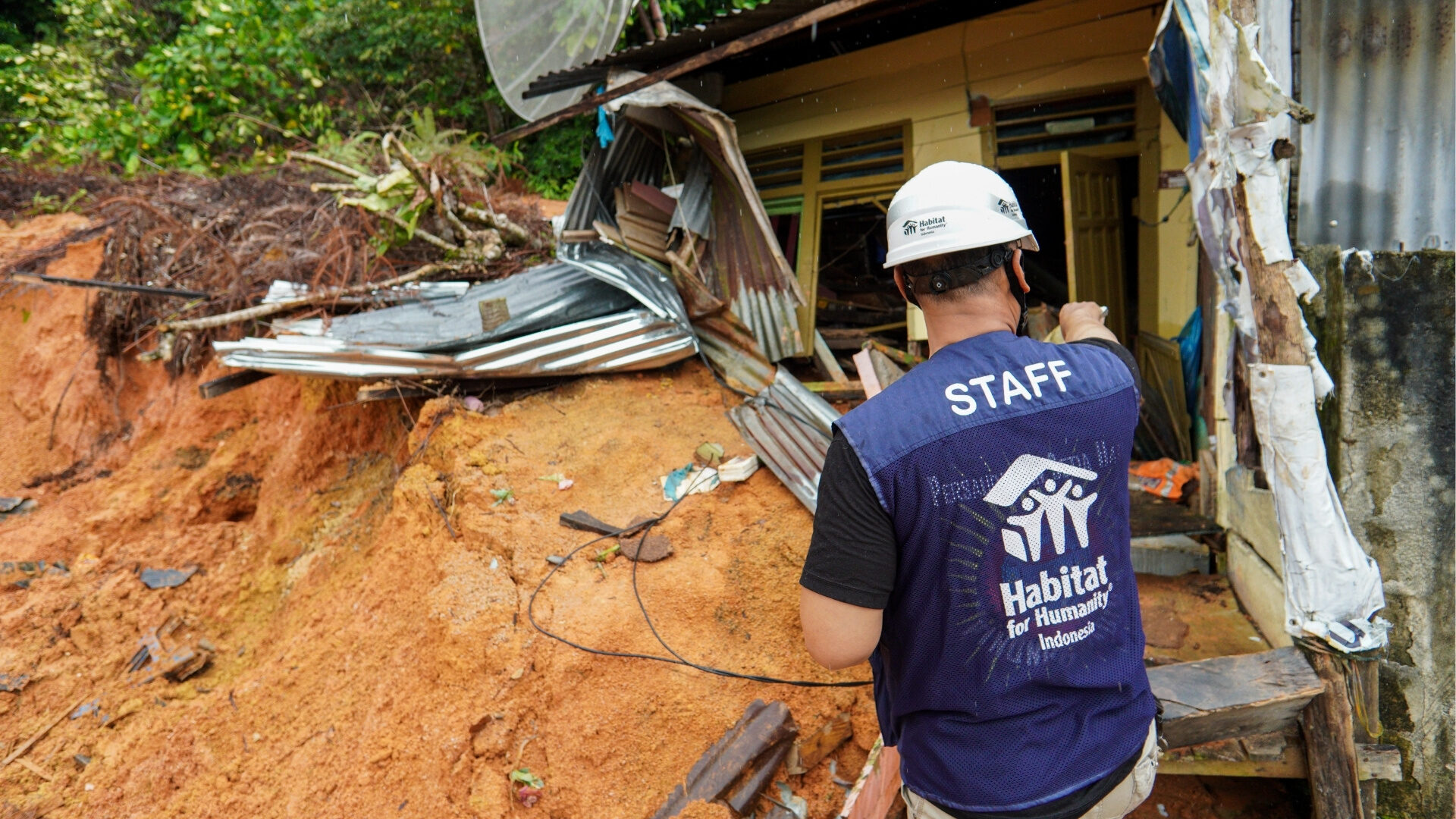
Central Tapanuli, 10 February 2026 – Habitat for Humanity Indonesia continues to support families affected by flash floods and landslides in Sibolga City and Central Tapanuli Regency, North Sumatra. As the response moves beyond the emergency phase, the focus has now shifted to environmental recovery and housing repairs, enabling communities to return to safer and more decent living conditions.

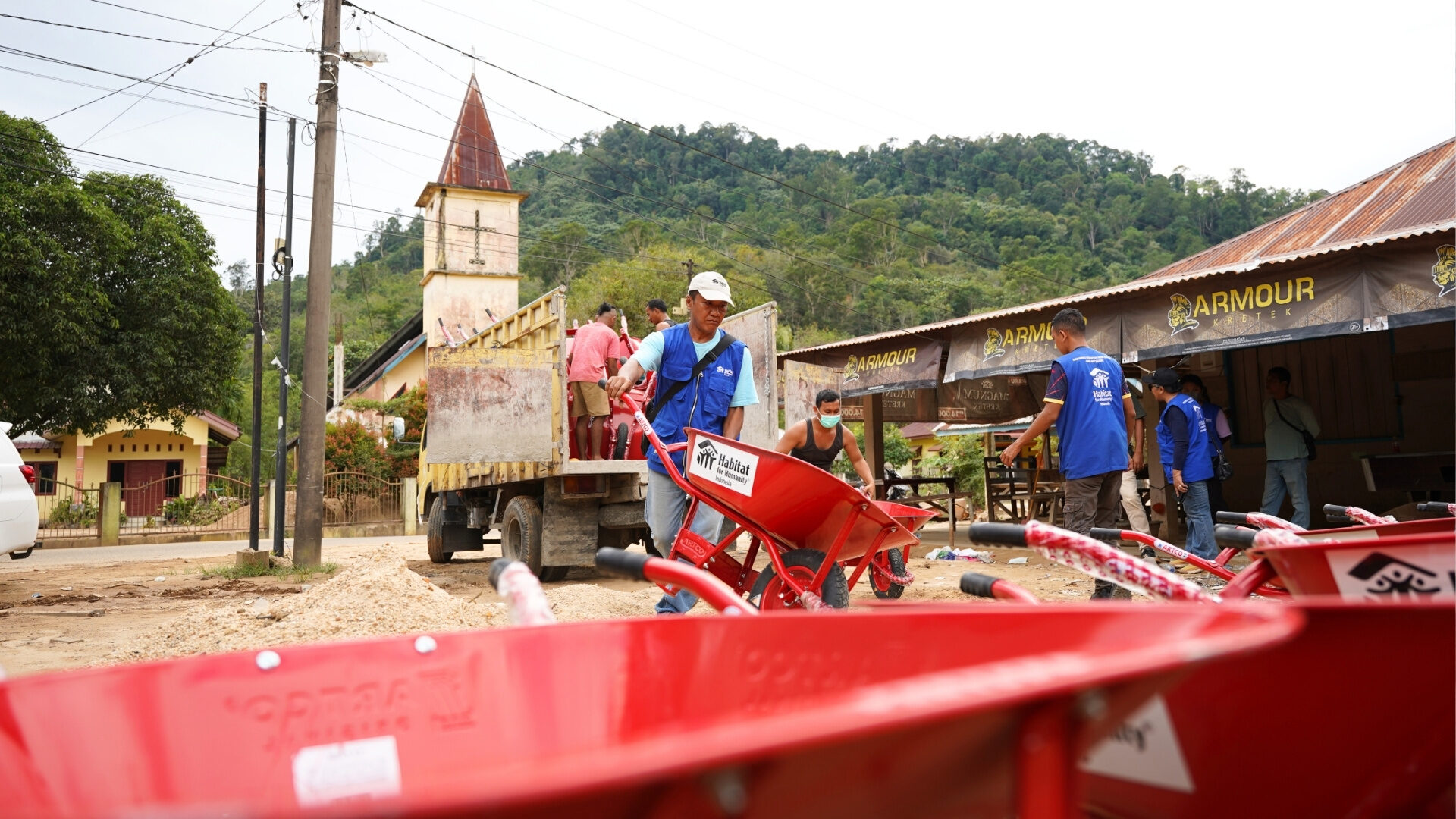
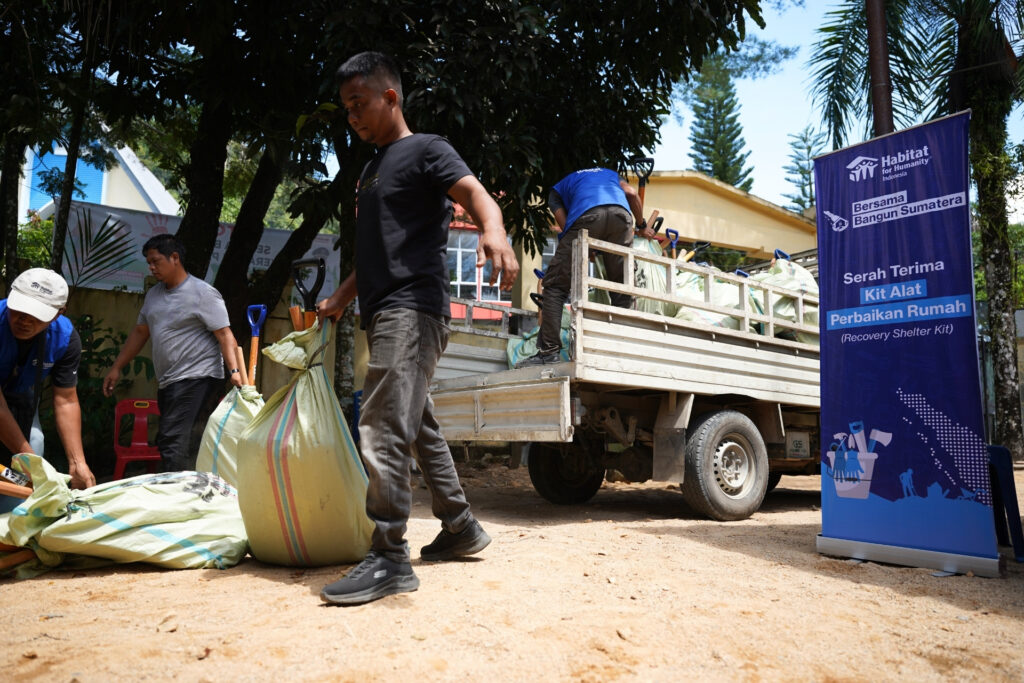
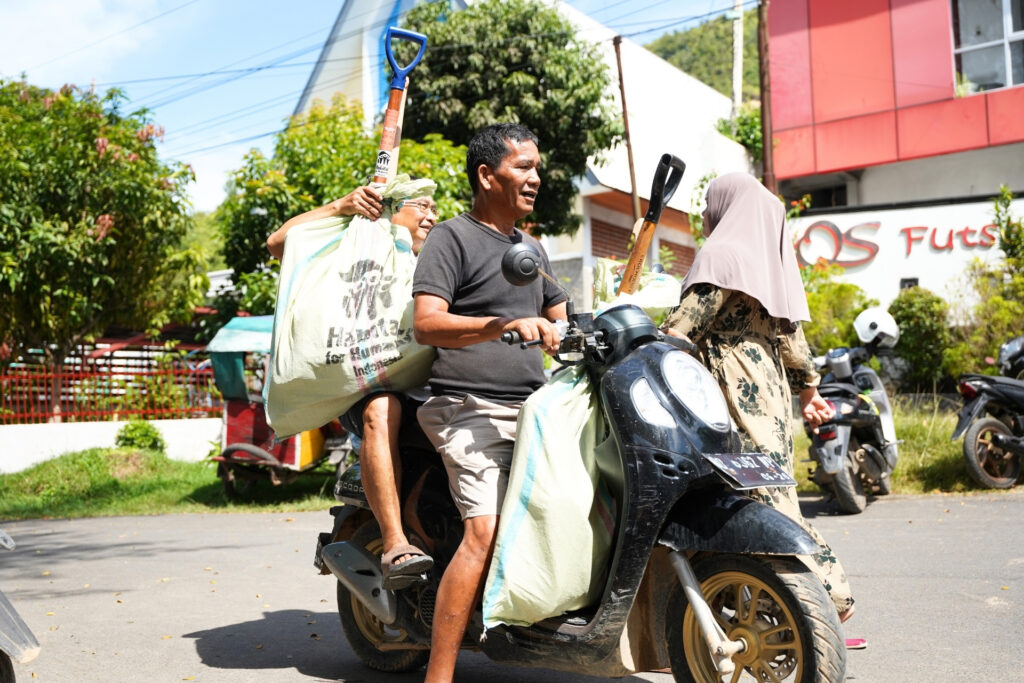
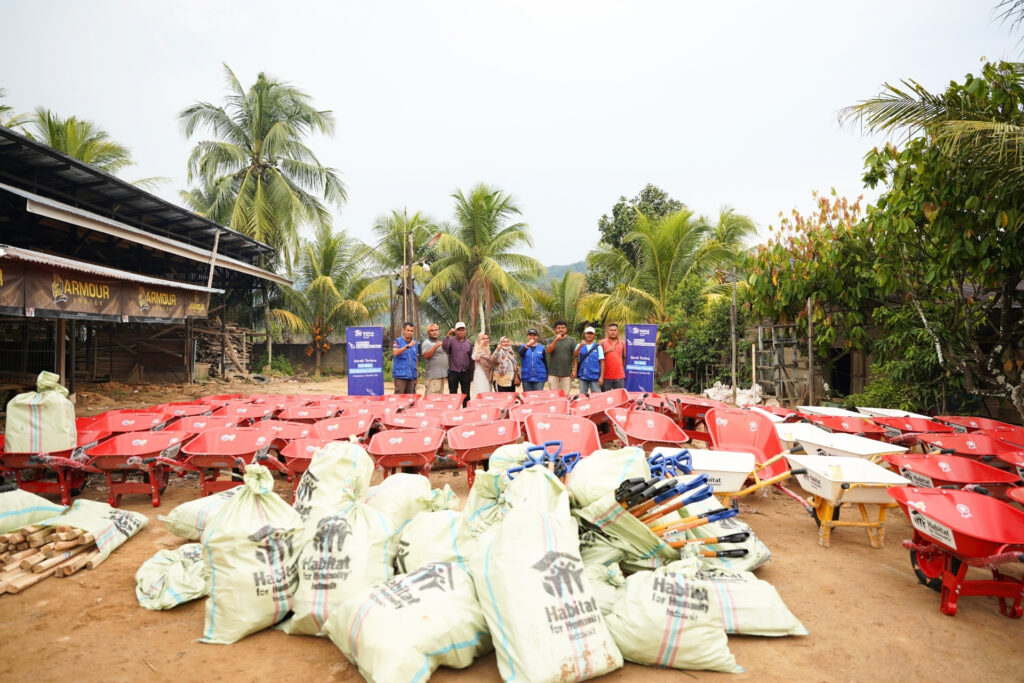
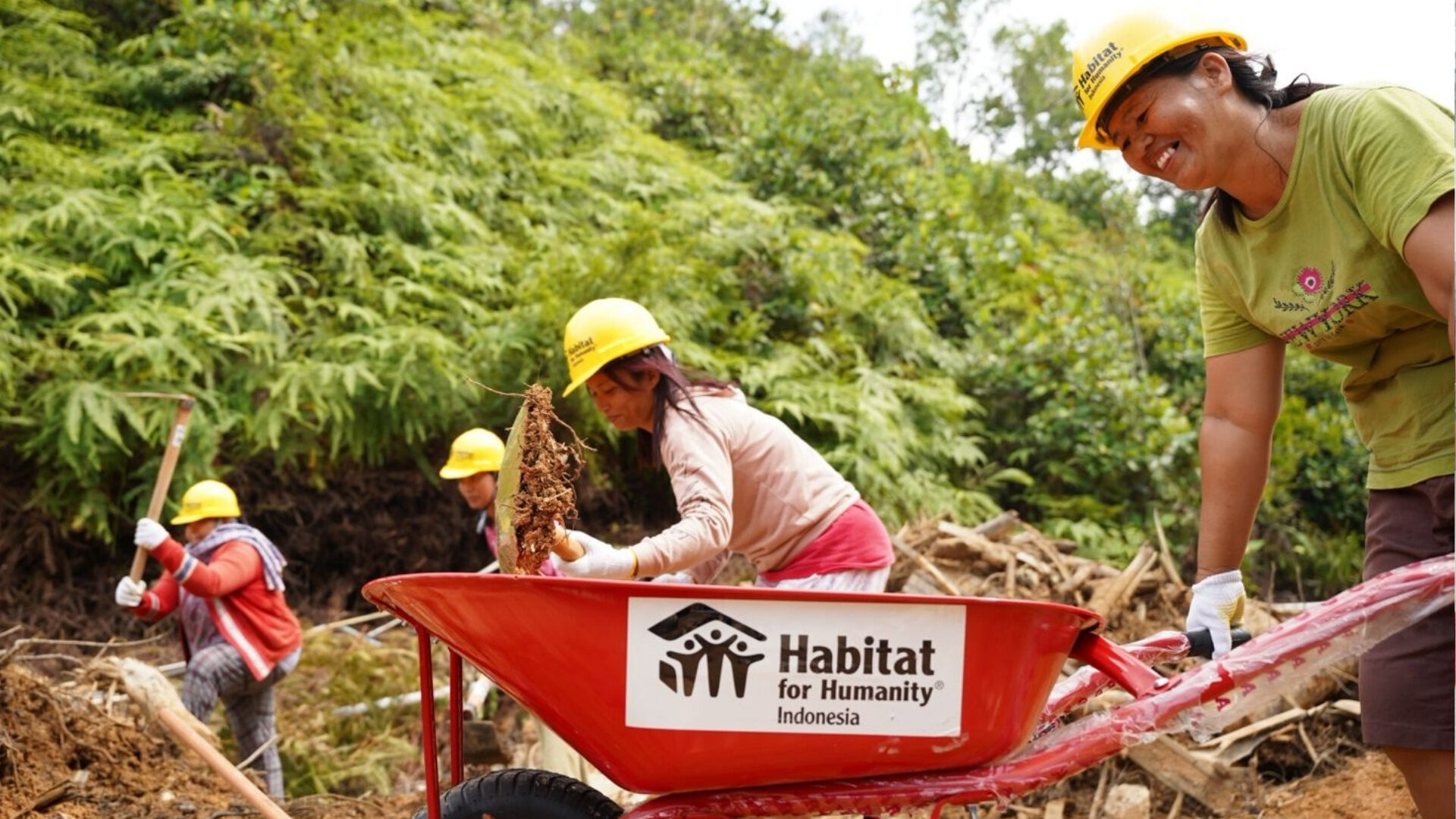
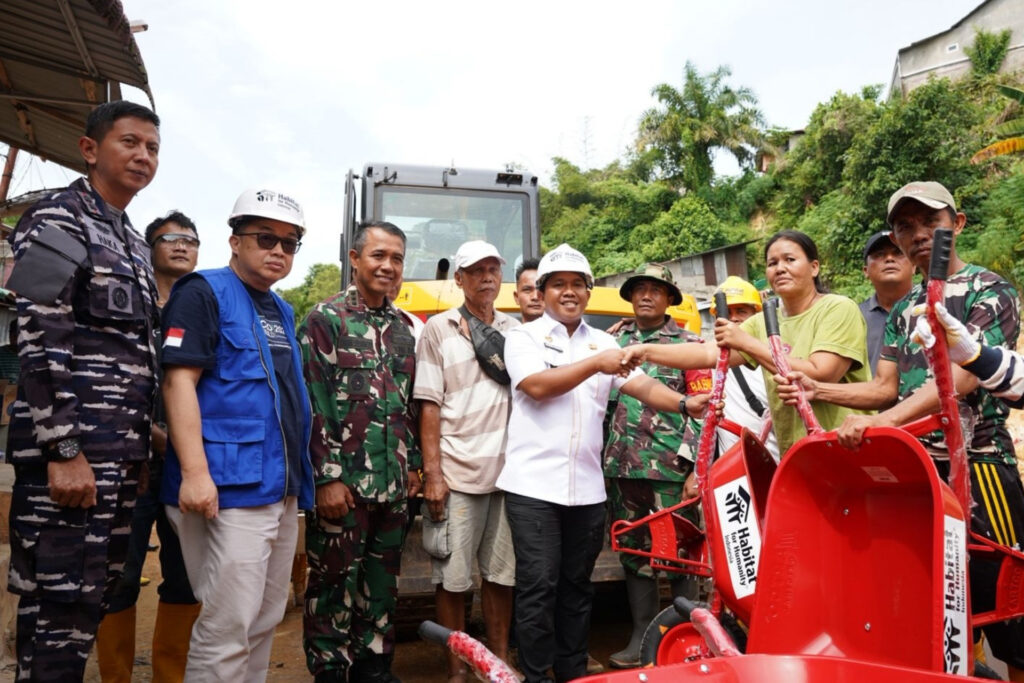
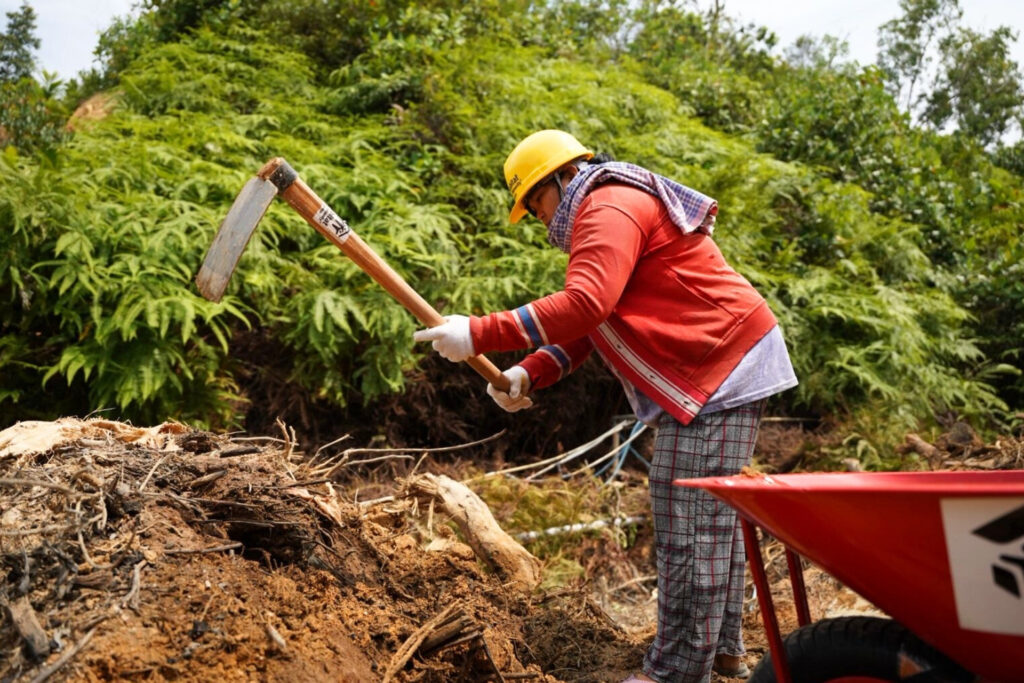
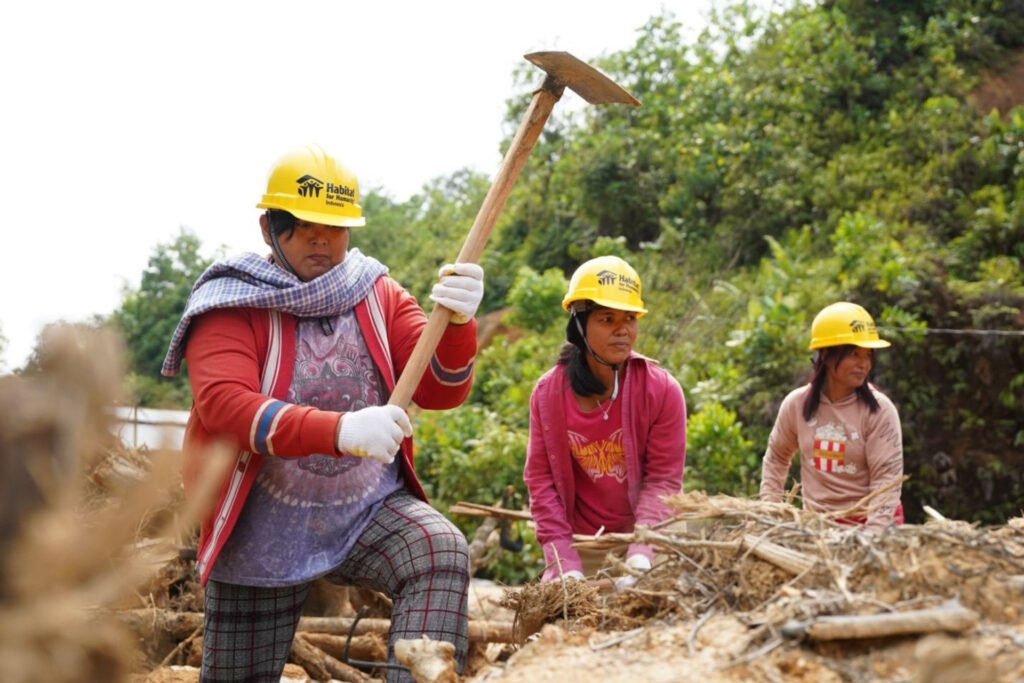
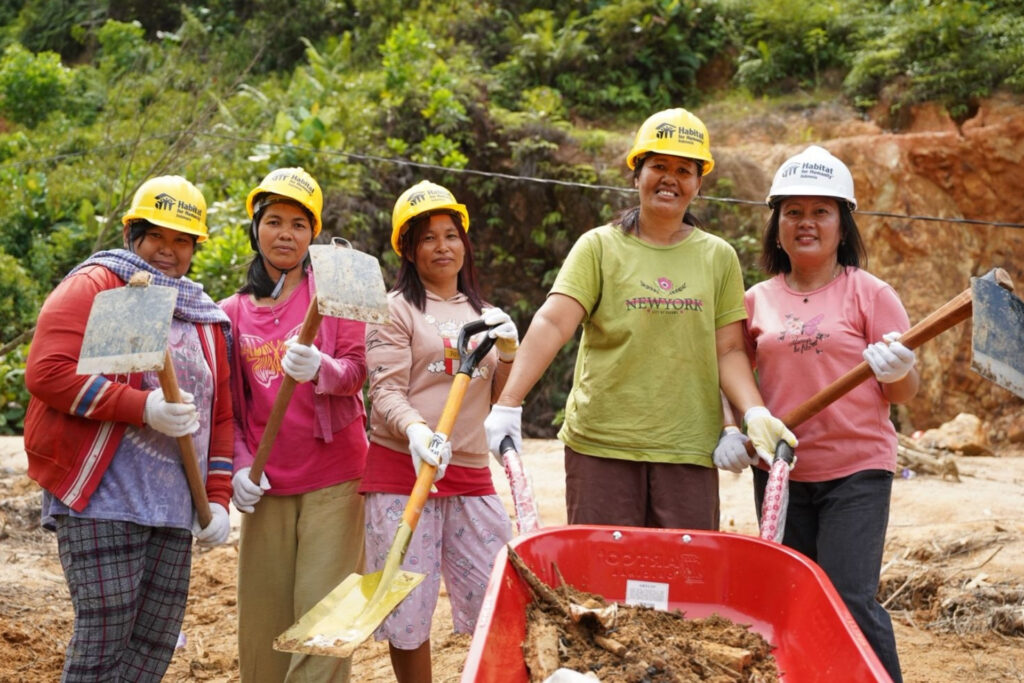
On January 31, 2026, the Habitat Indonesia team continued the distribution of community shelter kits, reaching 170 households in Tukka Village, Tukka Subdistrict, Central Tapanuli Regency. The assistance focused on providing wheelbarrows to accelerate debris removal, transport remaining disaster materials, and support the spirit of community cooperation in restoring neighborhoods and small-scale public facilities.

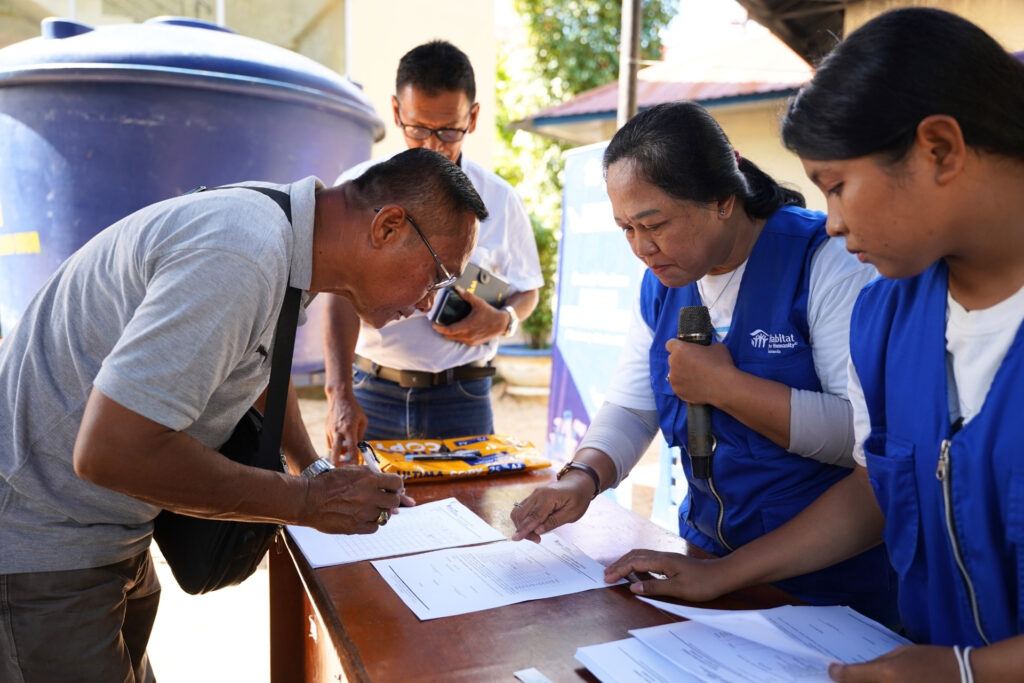
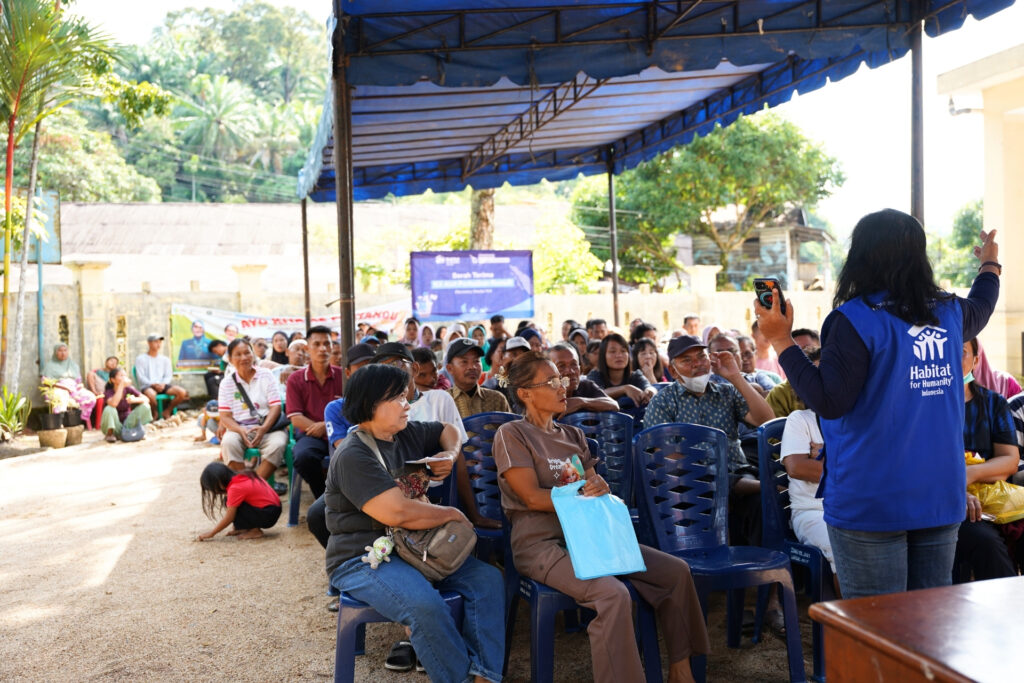
This distribution complements the assistance that had been provided earlier. By the end of January 2026, a total of 676 families across four subdistricts in Sibolga City and one subdistrict in Central Tapanuli Regency had received support in the form of both family shelter kits and community shelter kits.

According to Handoko Ngadiman, National Director of Habitat for Humanity Indonesia, this distribution marks the first step in Habitat Indonesia’s long-term commitment in North Sumatra. Through collaboration with the governments of Sibolga City and Central Tapanuli Regency, the recovery process is designed to align with local disaster risk mitigation efforts. “Our focus is not only on rebuilding houses, but also on strengthening community resilience so that families are better prepared to face future disasters,” he said.

Read also: Habitat for Humanity Indonesia Distributes Shelter Kits and Debris-Cleaning Tools in North Sumatra

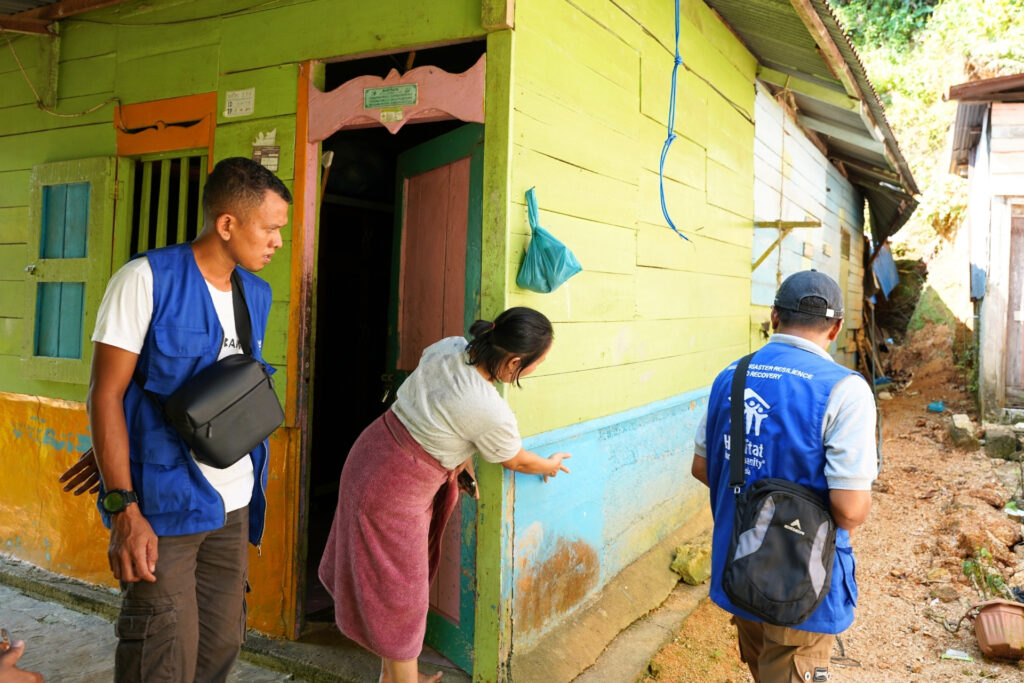
Since December 10, 2025, the Habitat Indonesia team has consistently conducted rapid assessments followed by in-depth assessments to identify the needs of survivors, particularly homes with minor to moderate damage. The findings serve as the foundation for implementing repair and retrofitting programs for 500 houses over the next two years to improve structural safety.

Looking ahead, Habitat Indonesia also plans to rebuild homes for families who lost their houses due to severe damage. This effort simultaneously promotes women’s empowerment by involving mothers as key drivers in the repair and reconstruction process, enabling them to play an important role in rebuilding their families’ and communities’ lives.

All of these efforts are made possible through the support of donors, partners, and various stakeholders who continue to work hand in hand with Habitat for Humanity Indonesia. Habitat Indonesia still welcomes #HabitatFriends who wish to take part in the post-disaster recovery efforts in Sibolga and surrounding areas. Your support will help more families gain access to safe, decent, and resilient homes.

Contribute through: kitabisa.com/campaign/bangunharapansibolga

Photo: HFHI/Budi Ariyanto

Writer: Kevin Herbian

(kh/av)

HFHI – DR Sumatera
Habitat Updates

Habitat for Humanity Indonesia Distributes Shelter Kits and Debris-Cleaning Tools in North Sumatra

Sibolga, 21 January 2026 – Habitat for Humanity Indonesia has moved swiftly into the post-disaster recovery phase following the floods and landslides that struck North Sumatra in late 2025. With the support of donors, Habitat Indonesia has distributed 200 Shelter Kit & Rubble Removal packages out of a total target of 1,000 packages to disaster-affected families in Sibolga, Central Tapanuli, and surrounding areas. This humanitarian action was made possible through the generous financial support of donors.

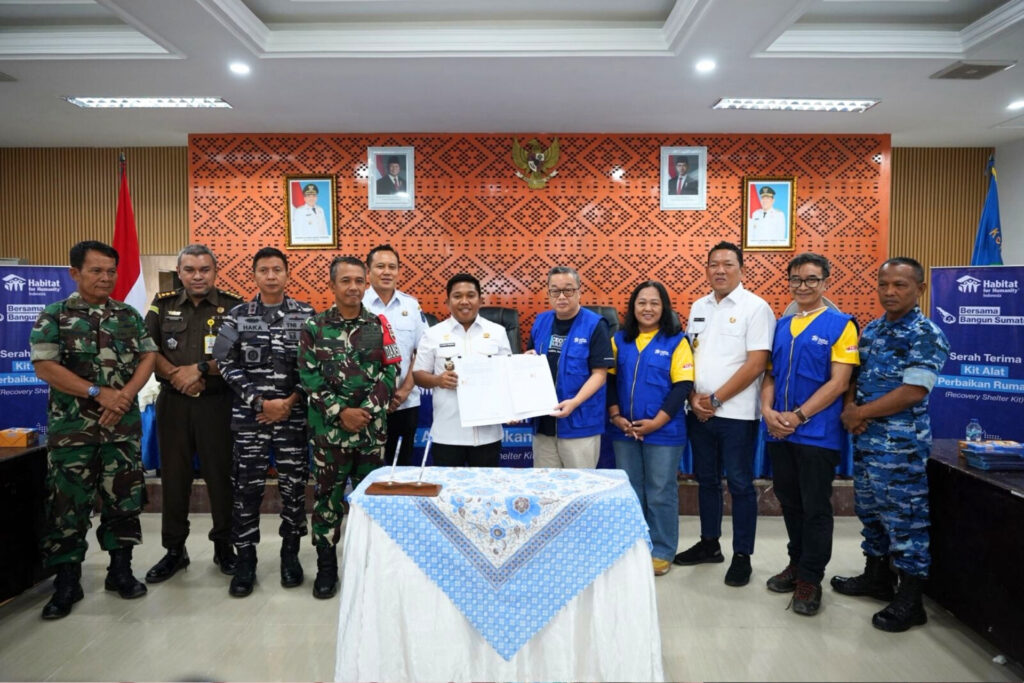
The distribution of assistance was further strengthened by the signing of a Memorandum of Understanding (MoU) between Habitat for Humanity Indonesia and the City of Sibolga, represented by Akhmad Syukri Nazry Penarik, S.Pd., M.H., Mayor of Sibolga, as well as Central Tapanuli Regency, represented by Masinton Pasaribu, S.H., Regent of Central Tapanuli. This formal collaboration aims to harmonize beneficiary data and ensure that the physical housing recovery process aligns with local government spatial planning and disaster risk mitigation strategies. With this legal framework in place, Habitat Indonesia gains broader access to coordinate technical and logistical assistance on the ground.

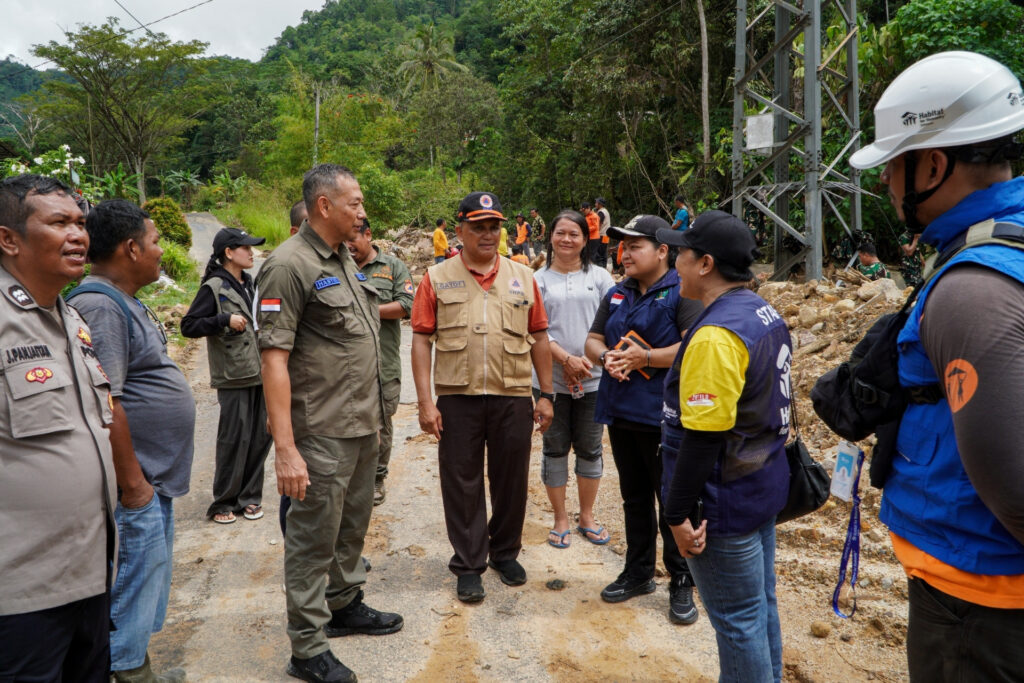
The aid distribution was led directly by Handoko Ngadiman, National Director of Habitat for Humanity Indonesia, and Arwin Soelaksono, Program Director of Habitat for Humanity Indonesia, to ensure that essential equipment was delivered directly to families in need, enabling them to begin repairing their homes independently.

Support Through Home Repair Tools and Rubble Removal Equipment

Based on needs identified in the field, the distributed packages include technical tools for home repairs and debris removal following the floods. Each family received:

  • Protective Materials: Two tarpaulins measuring 4 x 6 meters and 15 sacks with a capacity of 50 kg.
  • Carpentry Tools: A medium-sized hammer, a wood saw, a crowbar, a shovel, a hoe with handle, and 2 kg of nails (7 cm and 10 cm sizes).
  • Safety Equipment: Three rolls of rope, one dozen work gloves, and two units each of safety helmets, work boots, and safety goggles to ensure community safety during recovery activities.

In addition to household-level assistance, Habitat also provided Community Shelter Kits, which include shared equipment such as five wheelbarrows per group to accelerate environmental clean-up efforts.

Read also: Thousands of Sibolga Residents Lose Their Homes Due to Floods and Landslides; Habitat for Humanity Indonesia Calls on the Public to Help Restore Safe Housing

Two-Year Post-Disaster Recovery Program

The distribution of these shelter kits marks the beginning of Habitat Indonesia’s long-term commitment over the next year, focusing on home repairs and retrofitting, followed by the construction of new housing in the second year.

  1. Home repairs and retrofitting for 500 houses with minor to moderate damage, focusing on strengthening housing structures to improve safety and resilience against future disaster risks.
  2. For households whose homes were severely damaged, the program will support the reconstruction of permanent housing in the second year for families who have lost their homes.
  3. Women’s empowerment in post-disaster reconstruction, aimed at strengthening the role of women as key drivers of recovery efforts. This program emphasizes the active involvement of mothers in leading the recovery and housing reconstruction process for their families, positioning women as the primary agents of rebuilding in post-disaster communities.

“The distribution of shelter kits is only the first step of our long-term commitment in North Sumatra. Through strategic collaboration with the Sibolga City Government and the Central Tapanuli Regency Government, we are ensuring that the recovery process is not carried out in isolation, but is aligned with local disaster risk reduction efforts. Our focus is sustainability—we are not only rebuilding physical structures, but also strengthening community resilience, particularly the role of women, so they are empowered to safeguard and pass on safer housing for future generations,” said Handoko Ngadiman, National Director of Habitat for Humanity Indonesia.

Habitat for Humanity Indonesia believes that the active involvement of women is crucial to the sustainability of post-disaster recovery. As individuals who best understand domestic needs and family safety, women bring attentiveness and emotional resilience to the housing recovery process. By positioning women as key decision-makers in reconstruction, the homes built will not only be physically strong but also safer, more inclusive, and more resilient spaces for all family members in the future.

Habitat for Humanity Indonesia continues to welcome support from #SahabatHabitat who wish to take part in post-disaster recovery efforts in Sibolga and surrounding areas. Public support will strengthen long-term recovery initiatives, from home repairs to the construction of safer and more resilient housing for disaster survivors. Contributions can be made through the donation campaign at kitabisa.com/campaign/bangunharapansibolga, as a tangible expression of solidarity to help families rebuild their lives and restore hope.

Photo: HFHI/Budi Ariyanto

Writer: Astridinar Vania

(as/kh)

HFHI – Sibolga
Habitat Updates

Thousands of Sibolga Residents Lose Their Homes Due to Floods and Landslides; Habitat for Humanity Indonesia Calls on the Public to Help Restore Safe Housing

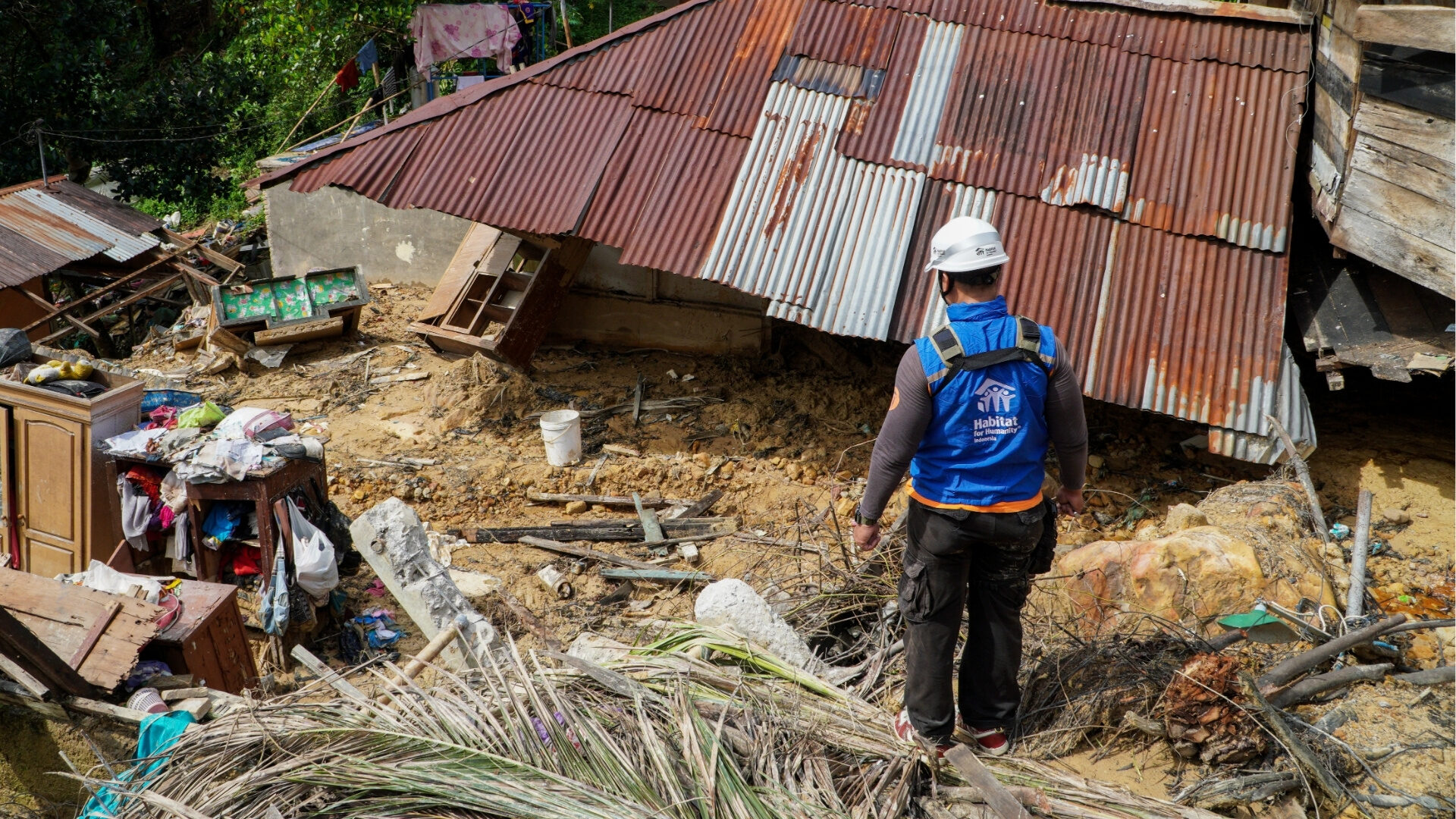
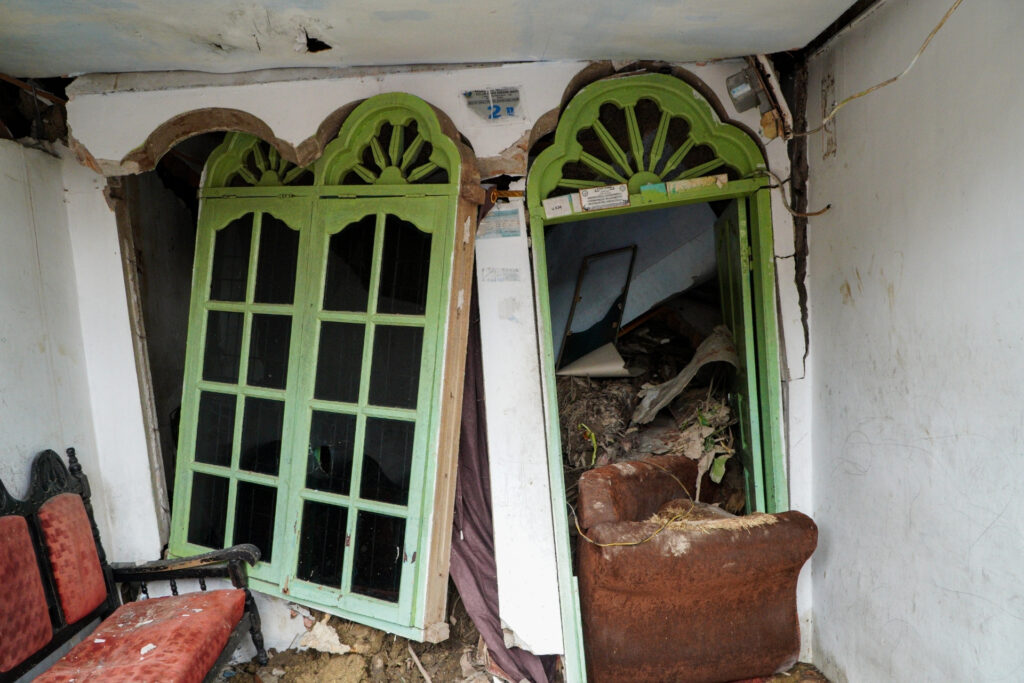
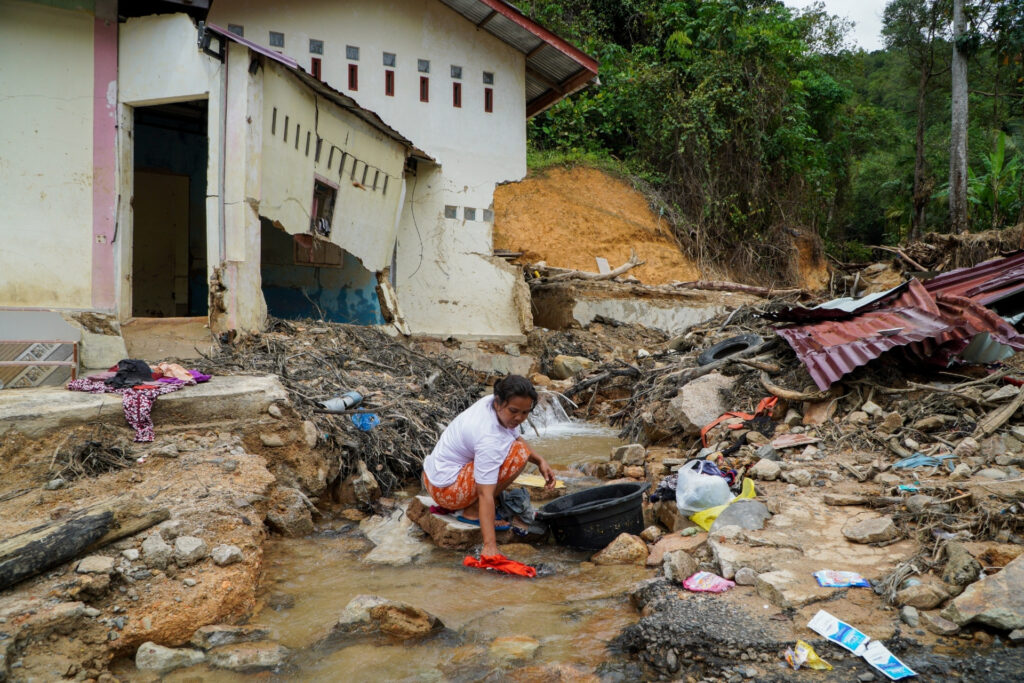
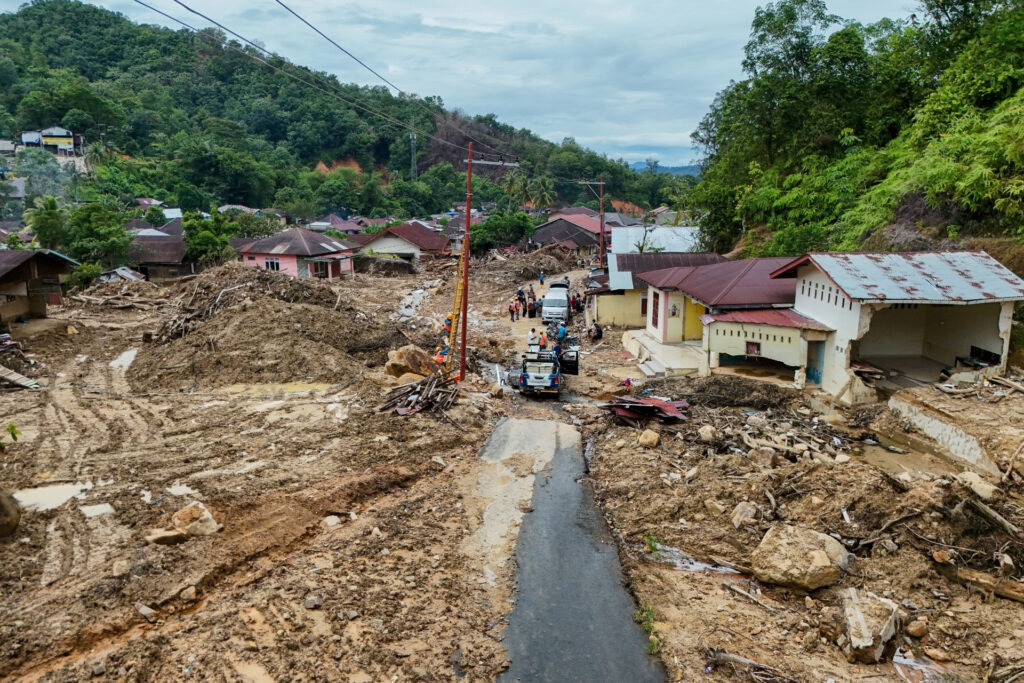
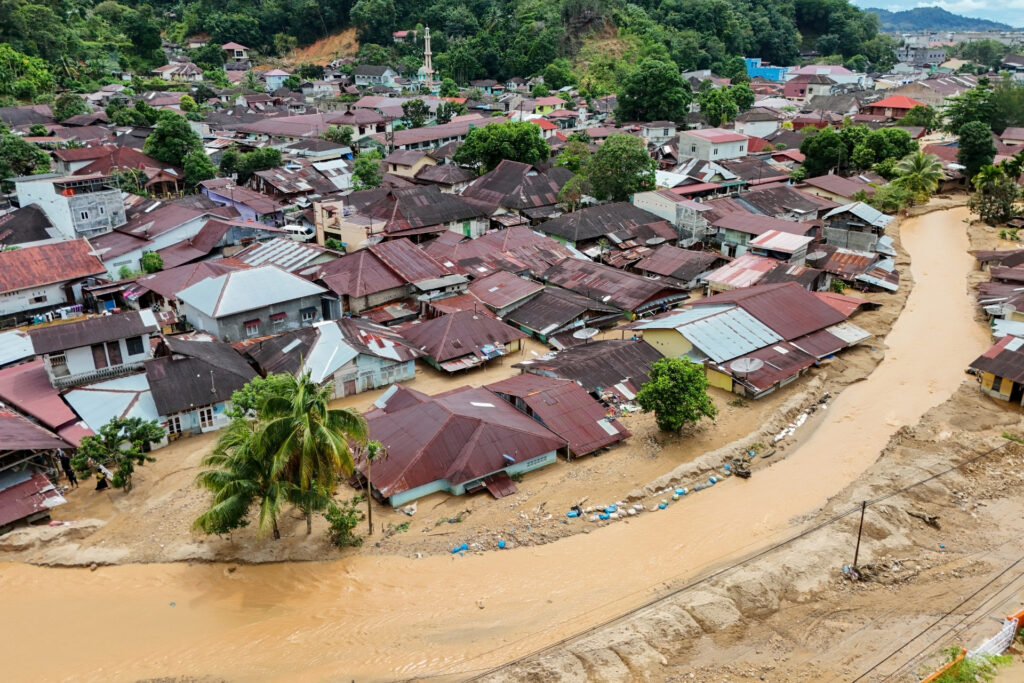
Sibolga, January 5, 2026 — Flash floods, landslides, and extreme weather that struck northern Sumatra since late November 2025 have left deep scars. Millions of residents were forced to evacuate after their homes were destroyed by landslide debris and overflowing rivers. In response to this crisis, Habitat for Humanity Indonesia is calling for national solidarity to support housing recovery efforts for affected families, particularly in Sibolga City and Tapanuli Tengah Regency.

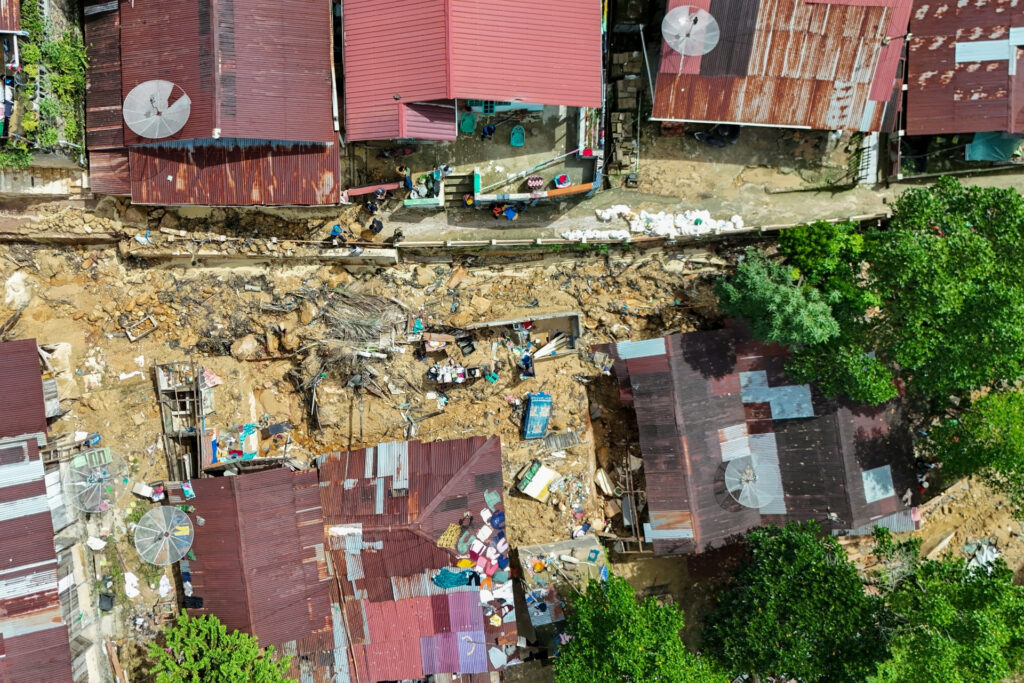
Based on the Rapid Assessment conducted by Habitat Indonesia’s Rapid Assessment Team between December 11–21, 2025, a total of 633 houses were reported damaged, 311 of which were severely damaged, leaving residents without safe shelter. Conditions for flood and landslide survivors in Sibolga have now reached a critical phase. The latest 2025 Joint Needs Assessment (JNA) report reveals that more than 57% of affected homes are no longer safe to live in. Habitat for Humanity Indonesia is urging immediate action from all sectors of society to assist the thousands of people who have lost their homes and access to basic health services.

A Humanitarian Crisis Amid the Ruins

An estimated 7,276 people are currently displaced. South Sibolga and North Sibolga are among the most critical areas, where hundreds of homes along hillsides and riverbanks have suffered severe structural damage.

“A house is more than just a building — it is a family’s final line of protection. In Sibolga, that protection has collapsed for hundreds of families,” said Arwin Soelaksono, Program Director of Habitat for Humanity Indonesia. “We are on the ground not only to assess damage, but to ensure that families can return to homes that are safer, more decent, and more resilient to future disasters.”

Habitat Indonesia’s Concrete Actions on the Ground

Habitat Indonesia has developed a first-year humanitarian response plan focused on:

  • Distribution of Recovery Shelter Kits (toolkits for home repair): Targeting 1,000 families.
  • Housing Repairs: Implementing repairs and structural retrofitting for 500 homes.
  • Water, Sanitation, and Hygiene (WASH) Recovery: Providing clean water access, sanitation services, and training on safer rebuilding practices (Build Back Safer).
  • Support for Gender Equality, Disability, and Social Inclusion (GEDSI): Ensuring vulnerable groups — including women-headed households, the elderly, and people with disabilities — have safe and inclusive access to markets and cash assistance.

A Humanitarian Call: Let’s Rebuild Together

Post-disaster recovery requires substantial resources. Habitat for Humanity Indonesia invites the private sector, communities, and individuals to join this humanitarian mission. Every contribution will directly support the procurement of building materials, construction tools, and technical assistance for building safe homes.

Habitat for Humanity Indonesia invites you to bring hope to Sibolga residents through kitabisa.com/bangunharapansibolga or via Habitat for Humanity Indonesia’s official donation account:
Post-Disaster Housing Recovery in Sibolga

Please add “26” at the end of your donation amount (for example: IDR 100,026) to help us identify your contribution.

“We invite everyone to be part of the solution. With your donation, we are not only providing a roof — we are giving new hope for the people of Sibolga to rebuild their lives and plan for the future,” Arwin added.

Writer: Astridinar Vania

(av/kh)
HFHI – 2025
Habitat Updates

Closing the Journey of 2025: Thank You for Building Hope Together

Jakarta, December 31, 2025 — As we come to the end of a long journey in 2025, Habitat for Humanity Indonesia would like to express our deepest gratitude to donors, partners, institutions, volunteers, and every individual who has walked alongside us throughout this year.

Thank you for the time you have shared. For the energy you have poured in. For the resources offered with sincere hearts. Above all, thank you for believing in a simple yet powerful vision: that every family deserves a decent place to live.

Every step taken this year was more than just an activity. Every house that now stands is more than just a structure. Every story we hear is more than a report. Each one is a trace of kindness — a legacy that remains in the lives of families who now have a safe space to grow, heal, and plan for a better future.

As we look back and retrace our path through 2025, we realize that the collective impact of our actions has reached far beyond what meets the eye.

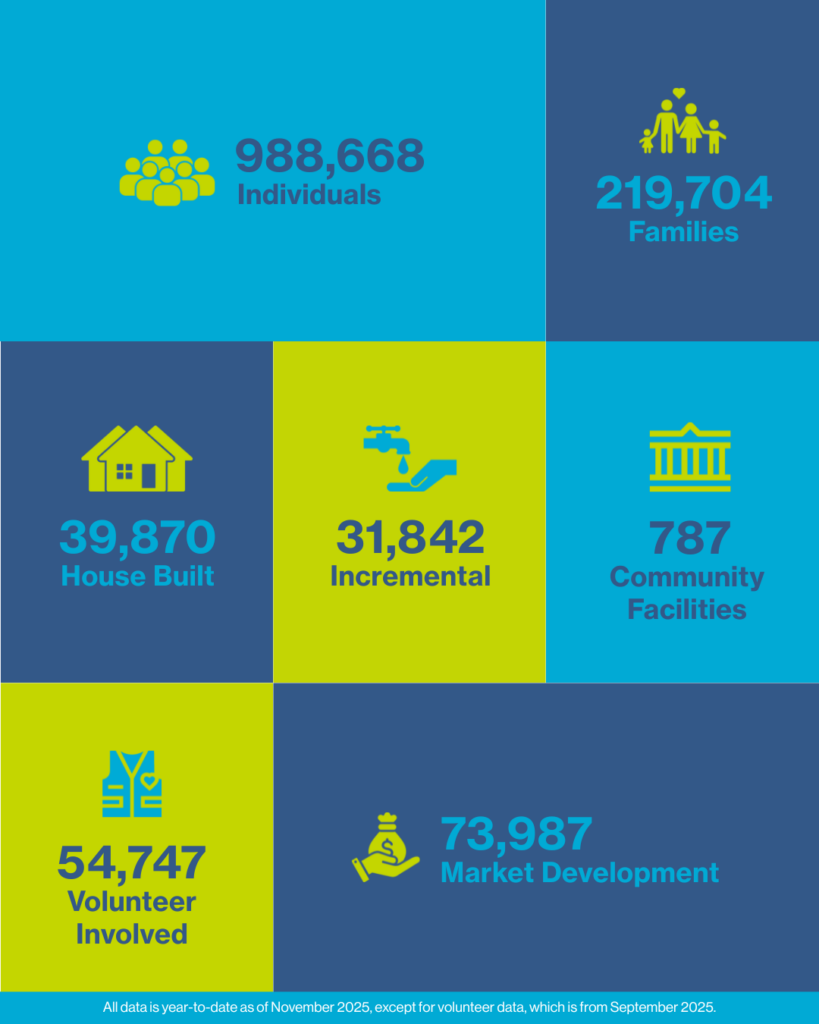
Since 1997, Habitat for Humanity has been present in Indonesia, this collaborative work has helped 219,704 families achieve stability, independence, and well-being. A total of 39,870 decent homes has been built, bringing long-awaited safety to thousands of families.

Beyond housing, we also expanded access to sanitation and clean water. A total of 31,842 adequate sanitation facilities and various clean-water sources are now part of daily life for many families. Meanwhile, 787 community facilities have been built to strengthen local communities.

Behind these numbers are countless hands working tirelessly in Indonesia for over 28 years. There are 54,747 Habitat volunteers who not only carry bricks and build walls but also plant hope. There are also housing market development initiatives that reached 73,987 individuals, opening a more inclusive ecosystem for low-income families.

Thanks to the generosity and compassion of #SahabatHabitat, 988,668 individuals across Indonesia are now experiencing real benefits from these programs—from Batam, Tangerang, Bogor, Karawang, Garut, Cilegon, Palembang, Yogyakarta, Gresik, Kupang, to Sabu Raijua Island in East Nusa Tenggara.

A summary of Habitat for Humanity Indonesia’s achievements over 28 years — from housing programs to initiatives that improve community quality of life. Infographic: HFHI/Tias Ester Widhari

Among hundreds of thousands of stories, one mirrors the journey of many families. Amalia, a recipient of a decent home in Mauk, Tangerang Regency, had spent years living in unsafe conditions, constantly worried about leaks during heavy rain. Each night, she could only hope her children would stay healthy and unafraid.

Today, her expression changed when she spoke about her new life. “Here, I finally feel like a mother who truly has a place to protect her children. My child can study without worry, and I can think about their future with peace of mind. It feels like being given a second chance to rebuild our lives,” she shared.

Amalia’s story reminds us that a house is not just walls and a roof. A house is a beginning — the place where values, love, education, and hope are nurtured.

Your contributions have helped reduce the number of families still living in inadequate housing. But if we focus only on statistics, we risk losing the deeper meaning of this journey. The true impact lies in the long days of fieldwork, difficult decisions, perseverance in the face of obstacles, and the emotions shared with families who continue to endure. This is what turns change into reality.

Welcoming 2026: Continuing Hope, Strengthening Compassion

As we enter 2026, Habitat for Humanity Indonesia humbly asks for your prayers and support. Next year, we will begin a two-year disaster recovery program in Sibolga, North Sumatra.

In mid-January 2026, the Habitat team will distribute shelter kits to 1,000 survivor families as an initial step toward rebuilding their lives. Anyone who wishes to take part in this recovery journey may contribute through: kitabisa.com/campaign/bangunharapansibolga

As we look toward the new year, we do so with renewed confidence — confidence that every small step matters, and that when we move together, change can happen repeatedly, multiplying in ways we may not expect.

Habitat for Humanity Indonesia is proud to continue building the future with families across the country — not only today, but for the years to come.

With deep gratitude, we say:

thank you for your trust,

thank you for your hard work,

and thank you for being part of the Habitat for Humanity Indonesia family.

We look forward to upcoming years filled with collaboration, growth, and extraordinary stories together.

Video: HFHI/Budi Ariyanto

Writer: Kevin Herbian

(kh/av)

HFHI – Climate
Habitat Updates

Advancing the “Climate-Resilient Housing 2030” Strategy, Habitat for Humanity Indonesia Strengthens Cross-Sector Collaboration

Jakarta, December 23, 2025 – Climate-resilient housing is no longer merely an option, but a national imperative for Indonesia. As one of the most disaster-prone countries in the world, Indonesia faces significant risks, with the Ministry of Health of the Republic of Indonesia, through its Health Crisis Center, reporting that nearly 80% of disasters in the country are hydro-meteorological in nature—including floods, landslides, flash floods, droughts, tornadoes, and coastal storms. These impacts disproportionately affect communities, particularly women living in informal settlements, through compounded health risks and rising living costs caused by drought, increasing temperatures, and sea-level rise.

Boby Wahyu Hernawan, Head of the Climate Change and Multilateral Financing Policy Center at the Fiscal Policy Agency of the Ministry of Finance, stated during a Ministry of Finance media briefing (29 May 2024) that without serious adaptation measures, climate change is projected to cost Indonesia up to 2.87% of its GDP annually by 2045.

In his remarks, Handoko Ngadiman, National Director of Habitat for Humanity Indonesia, emphasized:
“For the Habitat for Humanity family, climate-resilient housing is no longer a choice—it is a necessity. The government’s program to build three million houses per year presents a strategic opportunity to embed resilience principles and climate-adaptive design into national policy. At the same time, we recognize the critical importance of inclusive and flexible financing schemes—such as microfinance and incremental housing upgrades—so that low-income families, female-headed households, and vulnerable groups are not left behind. Inclusive financing is also essential to support climate-adaptive home improvements.”


Strategic Collaboration and Policy Alignment

The workshop, moderated by Dr. Saut Sagala (Global Resilience Specialist at RDI and Associate Professor at the Bandung Institute of Technology/ITB), brought together experts from various institutions to align climate adaptation policies. Based on the collective brainstorming, the workshop identified several Key Findings:

  • Climate resilience in the housing sector has been mandated within the RPJPN–RPJMN framework and is interconnected with water, sanitation, and spatial planning sectors, extending down to the household level.
  • Implementation at the ground level remains inconsistent, despite housing being a core component of the national adaptation agenda.
  • Locally driven “passive cooling” designs—such as those developed through studies in Wunung Village, Gunungkidul Regency—have proven effective in improving indoor air quality and thermal comfort.

Ira Lubis, ST., MIDP, Coordinator for the Housing Sector at the Ministry of National Development Planning (Kementerian PPN/Bappenas), underscored the importance of policy integration, stating:
“The national housing development program represents a unique opportunity to integrate climate-adaptive design into government policy. We must ensure the presence of enabling frameworks and regulations that support affordability for low-income communities, so that the target of providing adequate and resilient housing by 2030 can be achieved.”

Khairunnisa Destyany Qatrunnada, S.Si., Expert Staff of the Directorate of Climate Change Adaptation representing the Director of Climate Change Adaptation at the Ministry of Environment, added on mitigation and adaptation aspects:
“Adapting buildings to climate change and reducing emissions are mutually reinforcing objectives. We support technical measures such as the use of low-carbon materials and improved drainage systems to maintain community cohesion by enabling people to remain in their original locations.”

In addition, Prof. Ir. Suparwoko, MURP., Ph.D. (Universitas Islam Indonesia), highlighted the importance of contextual and practical technical guidelines for climate-adaptive housing tailored to low-income communities.


Financing Ecosystems and the Circular Economy

The workshop also explored financial innovation with Tadianto Slamet Saputro from Komida, who emphasized the importance of designing resilience indicators in a phased manner to ensure that housing upgrades remain affordable for low-income communities. Meanwhile, Novita Tan, Co-founder and CEO of Rebricks, presented the potential of circular economy approaches in the construction sector to reduce climate risks while simultaneously stimulating local economic activity.


Key Workshop Recommendations

As an outcome of the in-depth discussions, Habitat for Humanity Indonesia summarized the following recommendations:

  • Evidence-Based Approaches: Prioritizing evidence-based design through pre- and post-intervention measurements in low-income housing programs.
  • Community Inclusion: Prioritizing interventions that utilize local materials and strengthen the capacity of local builders through targeted training.
  • Pilot Projects: Implementing pilot studies to test the effectiveness of technical guidelines across diverse regions, particularly in disaster-prone areas.

Habitat for Humanity Indonesia hopes that the outcomes of this workshop will serve as a foundation for long-term collaboration through Public–Private Partnership (PPP) schemes to realize climate-resilient housing for Indonesia’s future.

(av/as)

HFHI – DR Sumatera
Habitat Updates

Starting the Sumatra Post-Flood Recovery Program, Habitat for Humanity Indonesia Conducts Rapid Post-Disaster Assessment in Sibolga

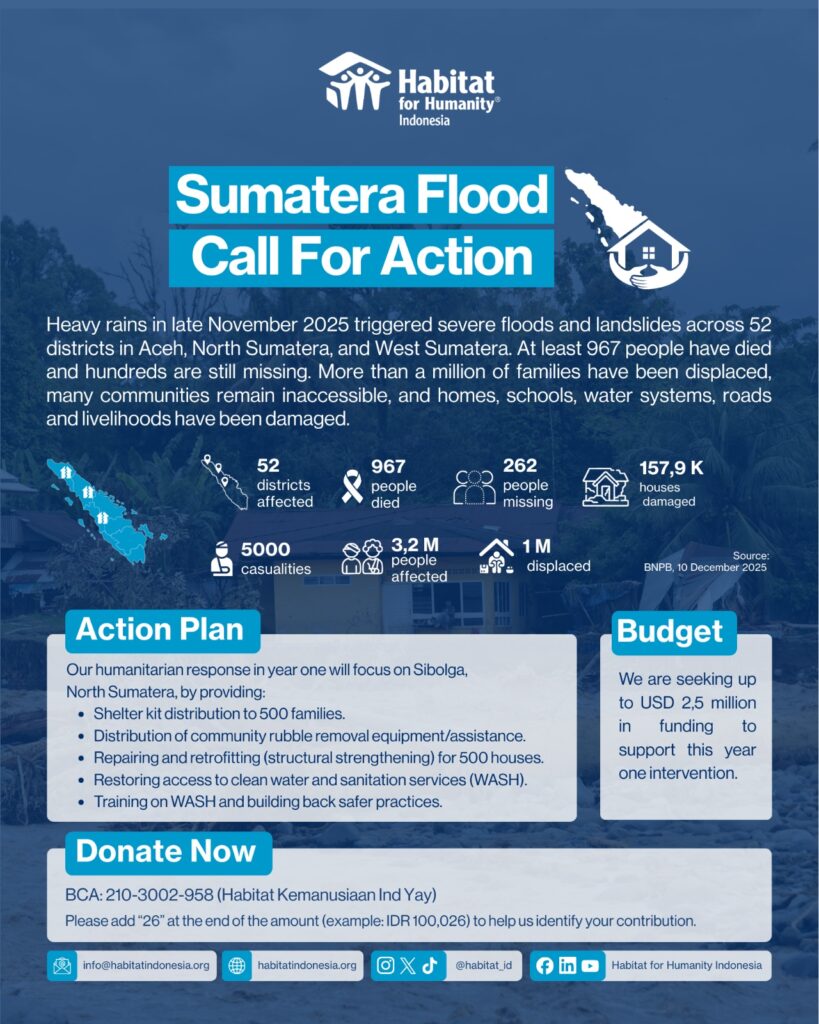
Sibolga, December 12, 2025 – More than two weeks after flash floods and landslides struck several regions in Sumatra, tens of thousands of families are still in difficult conditions. Over 157,800 houses are damaged, and hundreds of thousands of residents are still displaced (BNPB, December 12, 2025). In many locations, residents cannot return due to unsafe environmental conditions and homes destroyed by landslide debris. 

In Sibolga City, North Sumatra, the damage impact is also extensive. According to the Sibolga City BPBD (Regional Disaster Management Agency) report as of December 12, 2025, at least 7,276 people are displaced, while 665 houseshave sustained damage—ranging from light, moderate, to heavy. This situation has made the need for shelter, sanitation, and access to clean water increasingly urgent, especially in areas near hillsides and riverbanks. 

Assessment in the Worst-Affected Locations 

Since December 10, 2025, the Habitat for Humanity Indonesia team has been in Sibolga conducting a rapid assessmentto map the urgent needs of the community, especially regarding safe and decent housing. The initial data collection focused primarily on the areas with the most severe damage, namely North Sibolga District, covering the villages of Simare Mare, Angin Nauli, and Huta Tonga Tonga. 

In Simare Mare Village, the team found dozens of houses destroyed by flash floods and landslides of wood and rock materials from the hill. Many families had to leave their homes without having time to save any of their belongings. 

Riang (43), one of the survivors currently displaced in the Bank Indonesia building, described the moments the disaster occurred. “It was raining heavily all day, and the power was out. Around half past midnight, I heard the roar of rocks. Right then, we ran down, not able to save anything. My house was destroyed…,” she recounted. 

Damage also occurred in Angin Nauli Village, where a few houses stand on the river basin area (DAS) and along the banks of the Aek Doras River. During the flash flood on November 25, 2025, mud, rock, and wood materials swept through the area and triggered waves of water from the hills down to the lowlands. Houses sustained varied damage, from light to moderate. 

Deep sorrow was also felt by residents of Huta Tonga Tonga Village. A total of 71 families were affected, and 51 housessuffered heavy damage after sand material 1.5–2 meters high entered and buried the inside of their homes. 

Ronald (55), one resident who chose to stay in his house, which is almost completely covered in sand, told the Habitat for Humanity Indonesia team, “I sleep on the remaining mattress that is almost touching the roof. I stay because I want to guard the house, afraid of looting. But every day the sand keeps rising… this house is almost buried.” 

The stories of the survivors illustrate the immense need for home recovery assistance and environmental cleanup in Sibolga. 

Habitat Indonesia Prepares Two-Year Intervention for Sibolga Recovery 

Based on the assessment results and coordination on the ground, Habitat for Humanity Indonesia plans a two-year recovery intervention in Sibolga City and its surrounding areas. 

In the first year, Habitat Indonesia will focus on emergency support and basic repairs for affected families, including: 

  • Distribution of shelter kits for 500 families 
  • Support for rubble removal equipment/assistance to help clear landslide debris 
  • Repairing 500 houses with structural strengthening (retrofitting) 
  • Restoration of sanitation and clean water access (WASH) 
  • WASH and Build Back Safer training for the community 

In the second year, Habitat Indonesia will rebuild 300safe and decent homes on an area-based approach for affected families, using better resilience standards to minimize disaster risk in the future. 

This effort is a form of Habitat Indonesia’s commitment to help survivors regain a safe, decent, and dignified place to live. 

#Bersama, Bangun Sumatera

In these difficult times, support from various parties is highly meaningful. Habitat for Humanity Indonesia invites the public from various sectors—individuals, corporations, and partners—to participate in the recovery and rebuilding process for the lives of families affected by the disaster in Sibolga. 

For Habitat Friends who wish to participate in this humanitarian mission, donations can be channeled through BCA: 210-3002-958 (Habitat Kemanusiaan Ind Yay). More complete information can be found on the flyer below. 

Photo/Writer: HFHI/Kevin Herbian

(kh/av)

HFHI – Pakuwon
Habitat Updates

Habitat for Humanity Indonesia and Pakuwon Group Continue Collaboration to Build Decent Housing in Gresik

Gresik, December 11, 2025 – Habitat for Humanity Indonesia and Pakuwon Group continue their shared commitment to creating real impact for communities, particularly in reducing the number of families—currently in the millions—who still live in inadequate housing. 

This effort is strengthened through Pakuwon Group’s CSR program, which this year is directed toward building 21 decent housing units in Campurejo Village, Panceng District, Gresik Regency. The construction was officially launched with a groundbreaking ceremony on Thursday (4/12). 

On this occasion, the Regent of Gresik, represented by the Regent’s Expert Staff for Physical Infrastructure, Johar Gunawan, expressed appreciation and full support for the synergy built through this program. He emphasized that improving settlement quality is a key priority for the Gresik Regency Government. 

According to data from the Office of Cipta Karya, Housing, and Settlement Areas, as well as Bappeda, there are 145 housing units targeted for quality improvement and 90 new housing units built as relocation sites for residents from village-owned land. 

“Of these 90 units, 69 are funded by the government, and 21 are facilitated through the CSR initiative of Pakuwon Group in collaboration with Habitat for Humanity Indonesia. We deeply appreciate this collaboration and hope that the beneficiary families will take good care of the homes built for them,” said Johar Gunawan. 

Similar support was expressed by Habitat for Humanity Indonesia through Abraham Tulung, Resource Development General Manager. He emphasized that this program is part of Habitat Indonesia’s long-term mission to build better lives for low-income families. 

“Habitat for Humanity Indonesia has been present for more than 10 years, building decent homes, providing access to clean water, and developing community centers and sanitation facilities for families in the bottom income deciles 1 and 2,” he said. 

Saibun Wijaya, Director of Pakuwon Group, also highlighted the importance of safe housing as a foundation for families to thrive. “The houses we build together with Habitat Indonesia are expected to help homeowners plan for their future and open new opportunities for them,” he stated. 

This collaboration is a tangible example of how the private sector, nonprofit organizations, and local government can work hand in hand to deliver sustainable housing solutions. With the construction of these 21 decent housing units, Campurejo Village not only receives new infrastructure but also new opportunities for its residents to begin their journey toward a safer, healthier, and more dignified life. 

(kh/av)

HFHI – PropCon Golf
Habitat Updates

PropCon Golf Club and Habitat for Humanity Indonesia Driving Real Impact Through Golf

Jakarta, 8 December 2025 – PropCon Golf Club once again held its annual tournament, the 17th Interdesign PropCon Not Another End of Year Golf Tournament 2025, successfully hosted on Saturday, 6 December 2025, at Damai Indah Golf – BSD Course. The event served not only as a gathering space for golfers from various backgrounds but also as a platform for collaboration to create social impact.

For the second time, PropCon Golf Club partnered with Habitat for Humanity Indonesia as its charity partner, reaffirming its commitment to supporting access to proper sanitation and education. Through this tournament, a total of IDR 103,000,000 was raised.

The funds collected will be allocated to support the renovation of five school toilet units and the construction of one new toilet unit at MTs–MA Batamiyah in Batam, aimed at creating a healthier and safer learning environment for students.

“We believe that sports can be a bridge for collaboration as well as a means of sharing. Through this tournament, we hope to create tangible impact that can be directly felt by those in need,” said Mr. Desmond Kandiawan, Chairperson of PropCon Golf Club.

Meanwhile, Habitat for Humanity Indonesia expressed gratitude for the continued trust and collaboration. “It is an honor for Habitat Indonesia to once again be chosen as a charity partner by PropCon Golf Club. Their support plays an important role in our efforts to ensure that schools have proper sanitation facilities. From the golf course, hope is built together,” said Abraham Tulung, Resource Development General Manager of Habitat for Humanity Indonesia.

The tournament took place in a competitive yet warm and friendly atmosphere, reflecting the spirit of togetherness among participants. More than just a year-end event, it served as a reminder that collaboration can bring about positive change for the future of Indonesia’s younger generation.

Watch the video below to see how the collaboration between Habitat for Humanity Indonesia and PropCon Golf Club has created a real impact for two schools in Karawang and Gresik in the previous program:

Video: HFHI/Budi Ariyanto

Writer: Syefira Salsabilla

(ia/kh)
HFHI – Centratama
Habitat Updates

New Access to Digital Literacy for Students of SMPN 1 Pakem

Sleman, November 21, 2025 — Habitat for Humanity Indonesia, in collaboration with PT Centratama Group, has reaffirmed its commitment to improving educational literacy in Indonesia through the development of a digital library at SMP Negeri 1 Pakem, Sleman Regency, Yogyakarta. This initiative demonstrates that inclusive and modern education can be realized through the synergy between the private sector and social organizations. 

The facility was officially inaugurated through a ribbon-cutting ceremony attended by the Deputy Regent of Sleman, Danang Maharsa; Chief Finance Officer of PT Centratama Group, Caba Pinter; National Director of Habitat for Humanity Indonesia, Handoko Ngadiman; as well as the teaching staff of SMPN 1 Pakem. 

This program not only constructed a new library space but also carried out a full renovation, including structural work, mural painting, and the provision of supporting facilities such as carpets, study tables and chairs, sofas, an LED TV, a sound system, air conditioners, computers, and various other furnishings. All these components were designed to create a more comfortable and modern learning environment. 

PT Centratama Group also ensured that technology became a key element in this transformation. The company contributed by installing software and providing training on the use of Edoo, a digital library platform offering more than 1,000 e-books from various categories. Handoko Ngadiman explained, “In the past 10 years, SMPN 1 Pakem only received 1,000 printed books, but within these three weeks the students already have access to 487 e-books with 709 copies. We hope this can further strengthen the positive impact on students, especially in the area of literacy.” 

Read also: Digital Reading Corner: Enriching Learning Opportunities Together

From Centratama’s side, Caba Pinter emphasized that this program is part of the company’s long-term commitment to strengthening technology-based education in Indonesia. “This program is part of our corporate social responsibility. We believe that digital literacy is an essential foundation for the future, and through this facility we want to ensure that students have broad access to modern learning resources,” he said. 

The Deputy Regent of Sleman, Danang Maharsa, viewed this initiative as a strategic step in fostering a culture of literacy among students. He stated, “The presence of this digital library not only adds learning facilities but also serves as an important tool to strengthen literacy for our children. My hope is that this facility will be used to its fullest potential. No matter how advanced technology becomes, if it is not utilized, it has no value.” 

With the digital library now in place, students and teachers can access a wide range of reading resources anytime and anywhere through their smartphones. In addition to improving the quality of learning, this facility is expected to support academic achievement and contribute to the school’s accreditation through effective technology integration. 

The Principal of SMPN 1 Pakem, Titin Sumarni, expressed her appreciation to all parties involved. She concluded by saying, “We hope this can enhance our students’ literacy competence and their interest in reading. Evidently, within three weeks of activation and training, 145 digital books have already been accessed. Having a digital library is an extraordinary leap forward.”

Photo & Video: HFHI/Budi Ariyanto

(kh)