
Category: Habitat Perspectives

HFHI – Backlog
Habitat Perspectives

Housing Backlog in Indonesia: A Major Challenge and Collaborative Efforts to Achieve Decent Housing

Jakarta, March 30, 2026 – The significant gap between the number of homes needed by the community and the availability of adequate housing is not only a concern for the government, but also for various stakeholders, including nonprofit organizations such as Habitat for Humanity Indonesia. Habitat Indonesia focuses on the most affected groups, particularly low-income families in the bottom income deciles (deciles 1 and 2), women-headed households, and people with disabilities.

Understanding the Scale of the Housing Backlog

Data cited from the government’s official website shows that the housing backlog in Indonesia remains significantly high. There are approximately 29,171,222 families experiencing housing backlog, which consists of two main categories: ownership backlog and housing adequacy backlog.

Around 12,573,383 families fall into the ownership backlog category—families who do not yet own a home. Meanwhile, 16,597,839 families experience a housing adequacy backlog, meaning they already have a place to live but their homes do not meet the standards of decent housing.

The distribution of this backlog also shows a significant concentration on the island of Java. West Java records the highest housing backlog, followed by East Java and Central Java. This indicates that rapid population growth in these regions has not been fully matched by adequate housing provision.
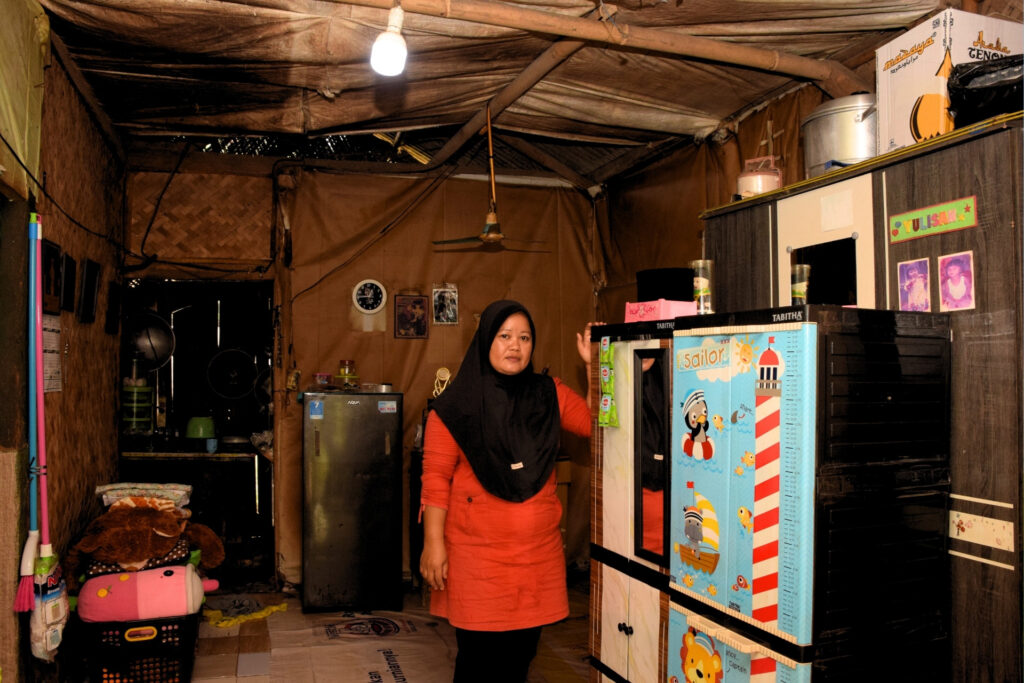
A portrait of a family living in inadequate housing in Tangerang Regency, Banten, Indonesia. Photo: HFHI/Kevin Herbian

Why Is the Housing Backlog Still High?

The high number of housing backlogs does not occur without cause. Various interconnected factors contribute to this condition.

One major factor is the limited availability of housing financing schemes that have not yet fully reached low-income families, especially those working in the informal sector. Without access to affordable financing, many families struggle to purchase their own homes.

In addition, rapid population growth and urbanization are often not balanced by sufficient housing supply. This situation triggers the emergence of densely populated settlements, informal housing, and areas that develop without proper planning.

Another issue relates to the quality of houses and residential environments. Many homes still do not meet technical and health standards, ranging from unsafe building structures and limited living space to inadequate access to clean water and proper sanitation.

Data shows that around 12.8 percent of residential areas are still categorized as slums, while approximately 30 percent of buildings do not meet proper technical building standards. This indicates that housing issues are not only about the number of houses but also about the quality of housing and living environments.

Read also: Understanding Retrofitting: Strengthening Survivors’ Homes After Disasters in Sumatra

Collaboration to Reduce the Housing Backlog

To address these challenges, various efforts continue through government policies and strategic programs.

In the context of homeownership backlog, the government through BP Tapera initiated the FLPP (Housing Financing Liquidity Facility) program, which provides more affordable housing financing schemes for low-income families.

Meanwhile, to address housing adequacy backlog, the government through the Kementerian Perumahan dan Kawasan Permukiman implements the BSPS (Self-Help Housing Stimulant Assistance) program. This program aims to help low-income families improve the quality of their homes so that they meet decent housing standards.

In practice, many stakeholders collaborate to expand the program’s impact. One example is the involvement of Habitat for Humanity Indonesia, which supports the implementation of programs aimed at improving housing quality for communities.

One such collaboration can be seen in the “Gerakan Untuk Membangun Rumah Sehat, Berdaya Guna Secara Terintegrasi dan Kolaboratif Melalui Aksi Nyata” (GUMREGAH TENAN) program implemented in 2024 in Gunungkidul Regency.

Through this program, Habitat Indonesia was entrusted as the government’s main partner to provide complementary funding that supplemented the BSPS program’s financial support. This collaboration enabled the construction and improvement of homes for 109 low-income families across three districts: Nglipar, Playen, and Patuk.

The one-year program successfully brought real change to beneficiary families. Homes that previously did not meet livability standards have now been improved to become safer, healthier, and more suitable to live in. As a result, these families have gradually moved out of inadequate housing backlog conditions.
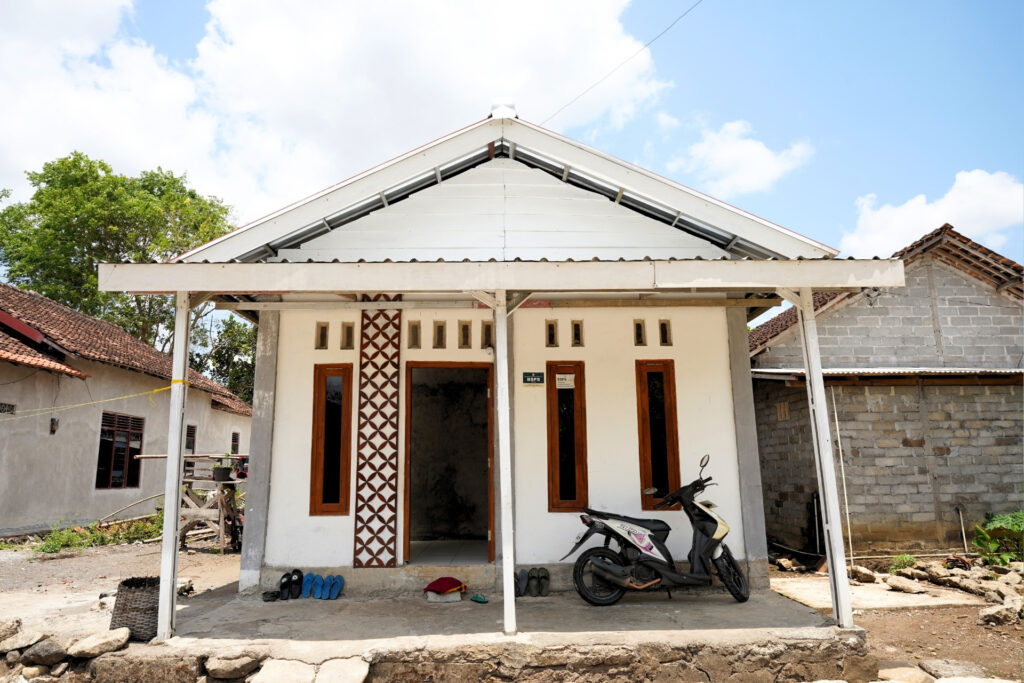
The decent home built by Habitat for Humanity Indonesia with funding support from the BSPS Program in Gunungkidul, Yogyakarta, Indonesia. Photo: HFHI/Kevin Herbian

Continuing the Collective Effort

Efforts to provide decent housing for communities certainly do not stop here. In the near future, in mid-2026, Habitat for Humanity Indonesia will continue its collaboration with local governments—this time with the Sragen Regency Government—to support the implementation of the BSPS program targeting hundreds of additional families.

Cross-sector collaboration like this is key to addressing Indonesia’s housing backlog challenge. When governments, civil society organizations, the private sector, and communities move together, efforts to provide decent housing for low-income families can progress faster and more sustainably.

Because in the end, a decent home is not just about a place to live. It is a foundation for health, dignity, and a better future for every family.

Let us continue to support this movement. Support from #SahabatHabitat means a great deal in helping more families in Indonesia obtain safe, healthy, and decent homes. Together, we can become part of real change for families who are still waiting for a proper place to call home.

Writer: Kevin Herbian

(kh/av)
HFHI – Gender
Habitat Perspectives

Women Behind the Construction of Decent Homes

Jakarta, March 25, 2026 – When people talk about building decent housing, many imagine construction workers laboring under the scorching sun—lifting bricks, mixing cement, and installing walls. Yet behind this process, there is an important role that often goes unnoticed: the involvement of women in designing, building, and sustaining their homes and communities.

Across the world, the issue of women’s participation in community development has received increasing attention. Gender equality and inclusive development are now essential parts of the global development agenda, as experience shows that women often have a deep understanding of the needs of their families and living environments. When women are given the space to participate in decision-making processes, development outcomes tend to be not only more relevant to community needs but also more sustainable.

This is the approach also promoted by Habitat for Humanity Indonesia in many of its programs. Building homes is not viewed solely as the construction of physical structures, but also as a process of empowering communities—ensuring that women have equal opportunities to participate, express their views, and become part of positive change within their environment.

Women as Community Planners

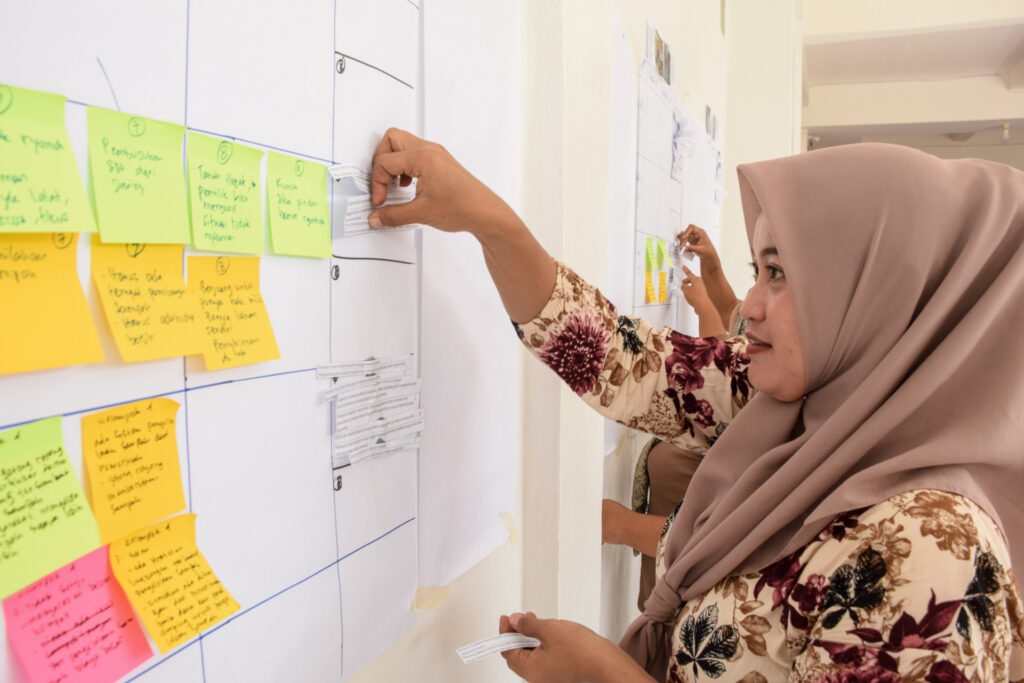
One example can be seen in the revitalization program in Tanjung Kait Village, Tanjung Anom Village, Mauk District, Tangerang Regency. During the planning phase, women in the village were actively involved in various community discussions.

In these forums, women shared the challenges they face in their daily lives—from inadequate housing conditions and insufficient sanitation to the need for safer living spaces for their families. Beyond voicing problems, they also took part in identifying solutions and shaping ideas about how their community should be rebuilt.

Women participate in voicing their aspirations in the Tanjung Kait Village Revitalization Program in Tangerang Regency, Indonesia. Photo: HFHI/Kevin Herbian

This participatory approach is important because women often have perspectives closely tied to household needs. They understand how kitchen spaces are used every day, how children need safe environments to grow, and how access to clean water and sanitation affects family health.

When women’s voices are included in planning, development results in not only better homes but also more inclusive and sustainable communities.

From Dialogue to Action

Women’s involvement does not stop at the discussion stage. During the construction process in Tanjung Kait Village, women also participated directly in various on-site activities.

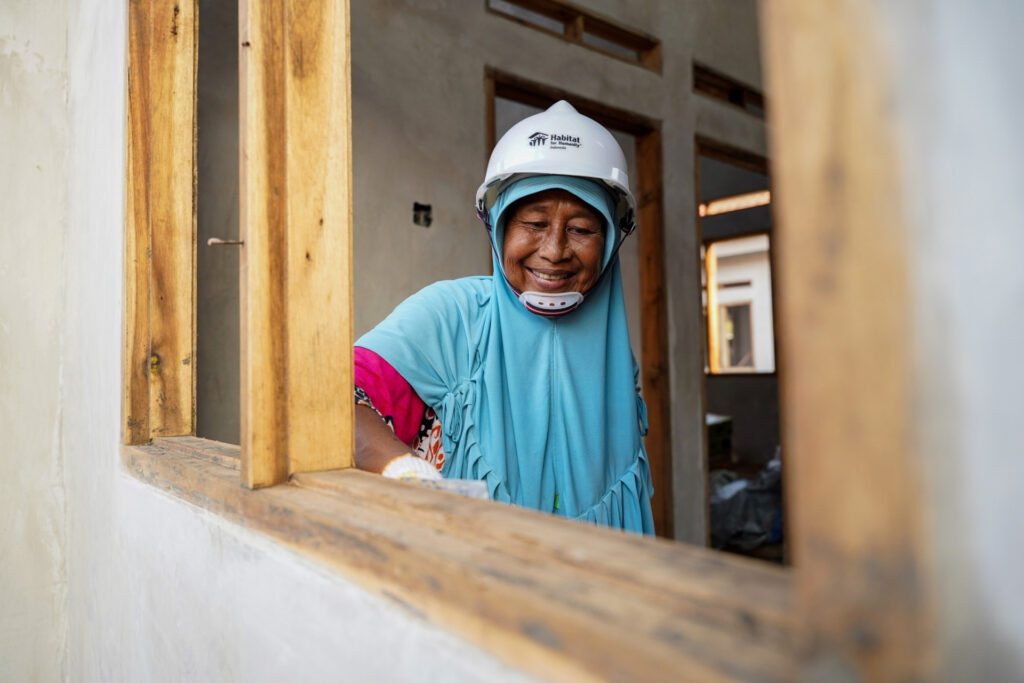
Some of them are housewives, shellfish peelers, or members of fishing families whose daily lives depend on the sea. Yet when construction began, they willingly helped with many tasks—from carrying building materials and assisting with painting walls to preparing logistical needs for workers.

A portrait of Nimah actively participating in the construction of her decent home through the Tanjung Kait Village Revitalization Program in Tangerang Regency, Indonesia. Photo: HFHI/Kevin Herbian

One of them is Nimah (55), a resident of Tanjung Kait Village whose house was part of the revitalization program. For Nimah, her involvement was not merely about helping with physical work but also about showing care for the future of her community.

“This house is my home and part of my community, so I feel it’s important for me to be involved in the construction process,” she said.

It is this spirit that transforms construction into something more than just an infrastructure project. It becomes a collective movement of mutual cooperation that strengthens a shared sense of ownership over the living environment.

Read also: Understanding Retrofitting: Strengthening Survivors’ Homes After Disasters in Sumatra

Women and Post-Disaster Resilience

The role of women is also evident in post-disaster recovery efforts. When disasters struck Sibolga and surrounding areas at the end of 2025, the recovery process involved not only volunteers and humanitarian organizations but also local communities—including women.

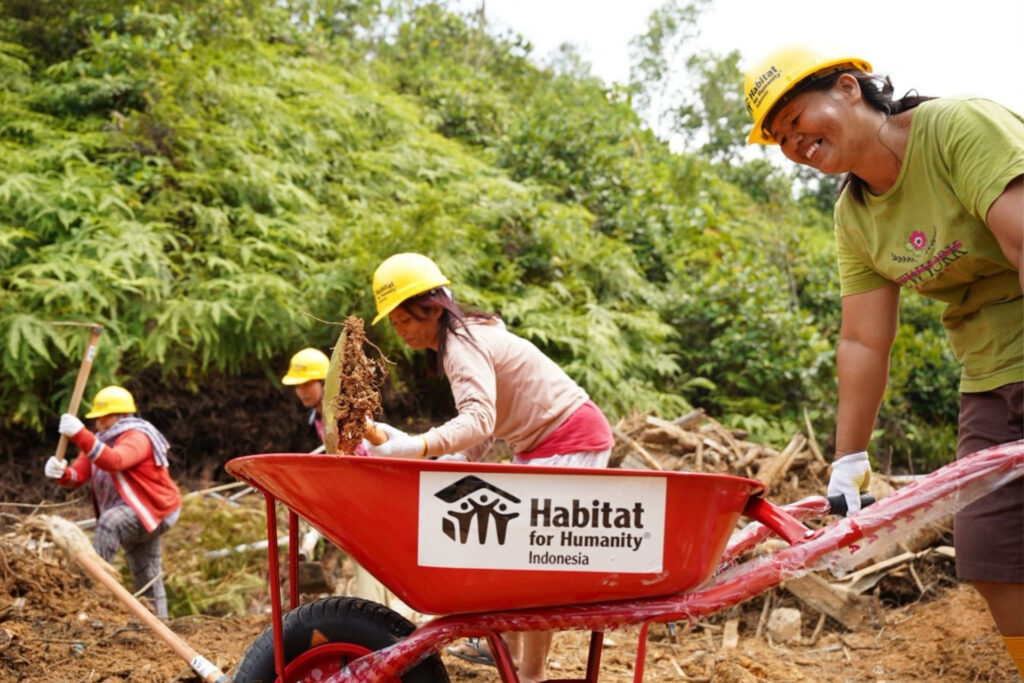
In many recovery activities, mothers and women in the community worked together to clear debris from damaged buildings, sort materials that could still be used, and help reorganize their living environment.

Women survivors take part in a communal cleanup of post-disaster debris in Sibolga, North Sumatra, Indonesia. Photo: HFHI/Budi Ariyanto

For many families, women often become figures who maintain household stability during difficult times. They ensure that children continue to feel safe, manage daily needs, and at the same time contribute to rebuilding lives that have been disrupted.

This involvement shows that community resilience is built not only through physical strength but also through solidarity and care among its members.

Women Volunteers Driving Change

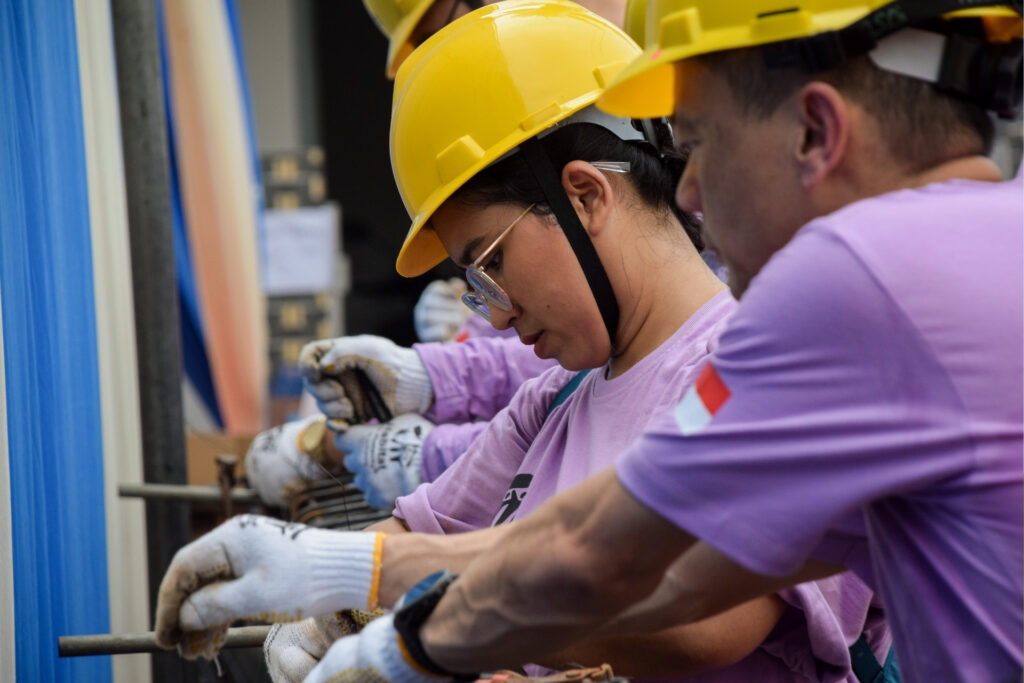
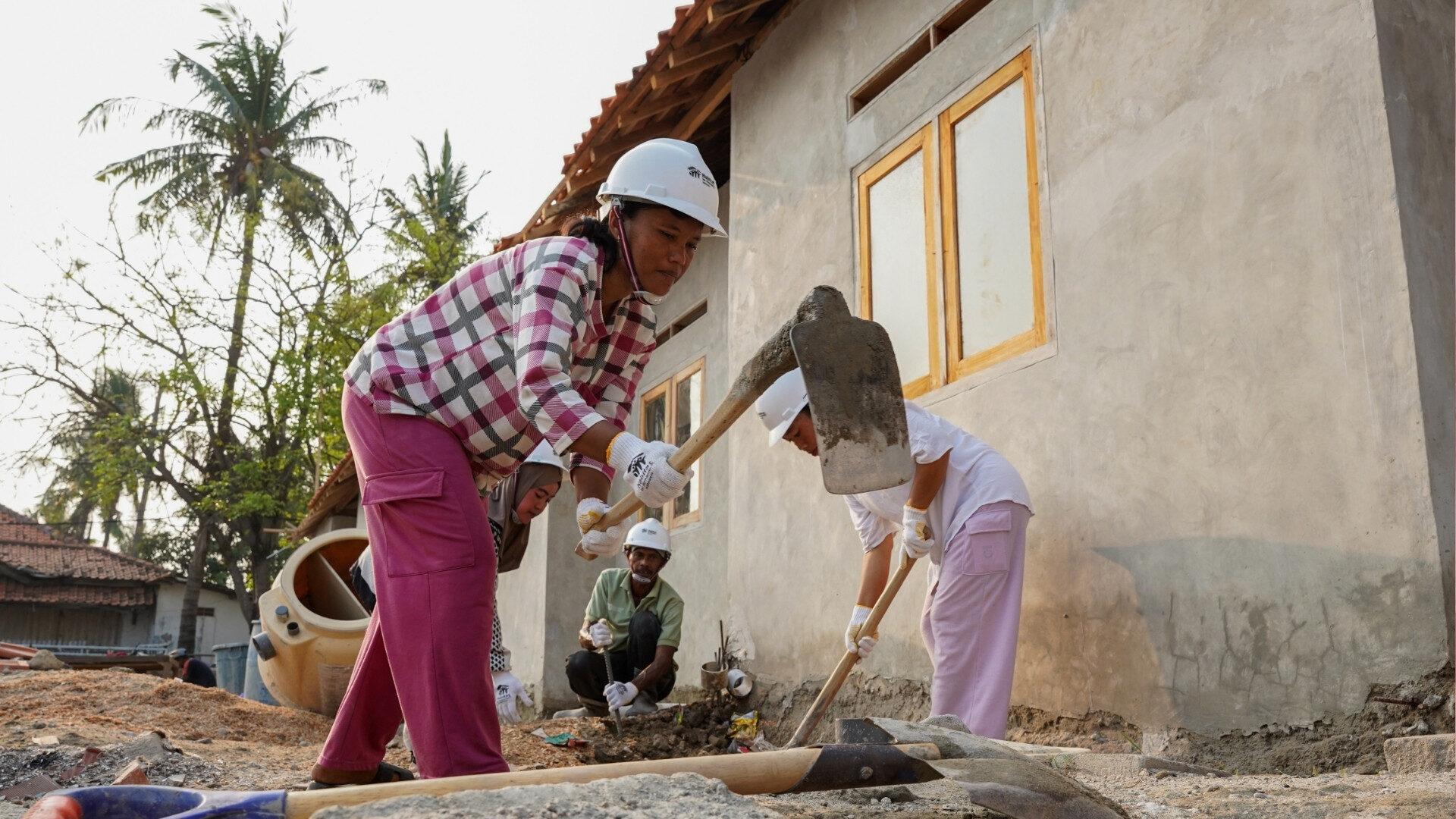
In many decent housing programs initiated by Habitat for Humanity Indonesia, women also take part as volunteers. It is not uncommon for them to engage in construction activities that have traditionally been associated with men.

From digging foundations and helping install walls to painting houses, women volunteers demonstrate that the spirit of helping others knows no boundaries. Their presence not only adds manpower but also brings a sense of solidarity that strengthens the spirit of mutual cooperation on the ground.

Through this involvement, women are no longer seen merely as beneficiaries of development programs, but also as key actors driving change.

Female volunteers tie rebar for the structure of a decent home during a Habitat for Humanity Indonesia volunteering activity in Tangerang Regency, Indonesia. Photo: HFHI/Kevin Herbian

These experiences show that sustainable decent housing development cannot be separated from the role of women. When women are actively involved, development produces not only stronger houses but also stronger, more inclusive, and more resilient communities capable of facing various challenges.

Women bring unique perspectives when it comes to understanding the needs of families and their surrounding environments. They often become the bridge between household needs and the broader interests of the community.

In many places, change begins with small steps—from voices heard in community discussions, from hands helping to paint the walls of a house, or from the determination to rise together after a disaster. And often, behind those changes, there are women working with sincerity to build homes, hope, and the future of their communities.

Writer: Kevin Herbian

(kh/av)
HFHI – DR Sumatera
Habitat Perspectives

Understanding Retrofitting: Strengthening Survivors’ Homes After Disasters in Sumatra

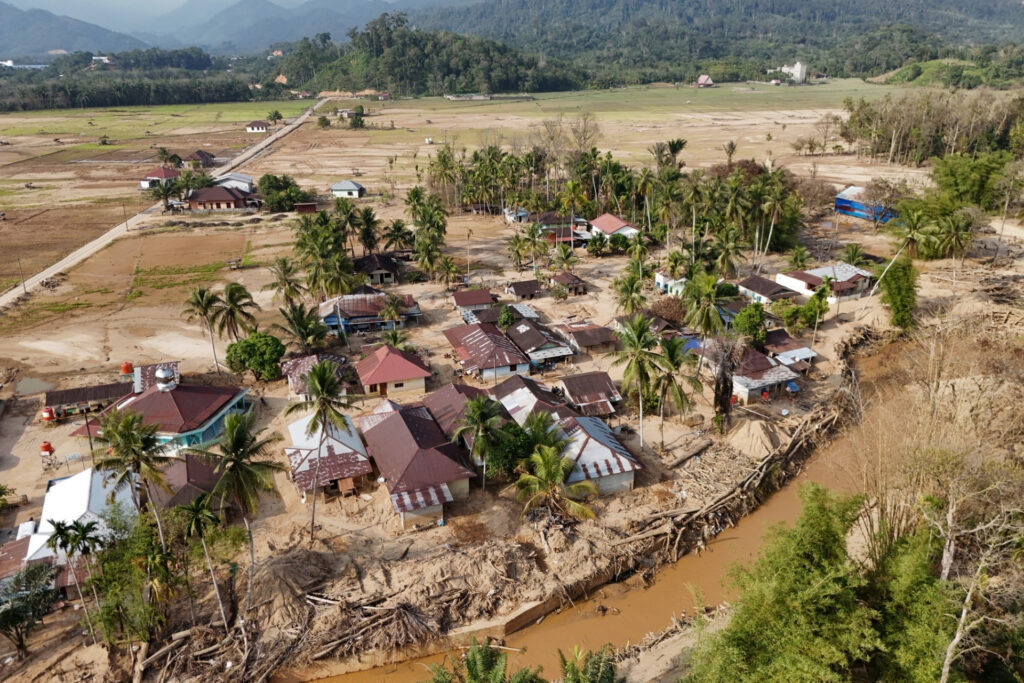
An aerial view of Tukka Subdistrict, Tukka District, Central Tapanuli Regency, two months after being struck by flash floods. Photo: HFHI/Budi Ariyanto

Sibolga, February 23, 2026 – Flash floods and landslides that struck several areas across Sumatra Island have caused large-scale housing damage. According to Indonesia’s National Disaster Management Agency (BNPB) website (February 10), a total of 301,102 houses were damaged, consisting of 58,505 severely damaged, 66,785 moderately damaged, and 175,722 lightly damaged homes. The destruction is spread across 53 districts and cities in Aceh, North Sumatra, and South Sumatra provinces, illustrating the widespread impact of the disaster on communities’ lives.

The magnitude of this damage represents not only the loss of shelter but also the loss of safety and security for thousands of families. Recovery efforts therefore go beyond clearing debris; they require rebuilding homes so they are stronger and more resilient to future disaster risks.

To address this need, on January 21, 2026, Habitat for Humanity Indonesia began a two-year long-term commitment to support the recovery of affected families in Sibolga City and Central Tapanuli Regency. In the first year, the focus is on repairing and retrofitting 500 houses categorized as lightly to moderately damaged, allowing homes that are still habitable to be strengthened without requiring complete reconstruction.

But what exactly is retrofitting?

Before understanding the retrofitting method, it is important to first recognize how housing damage levels are classified. Based on the Guidelines for Identification and Verification of Damage issued by the Ministry of Public Works and Housing (PUPR) in 2021 through perkim.id, housing damage is divided into three categories: light, moderate, and severe. The assessment considers the condition of structural components such as foundations, columns, and beams, as well as non-structural components such as walls, roofs, and floors.

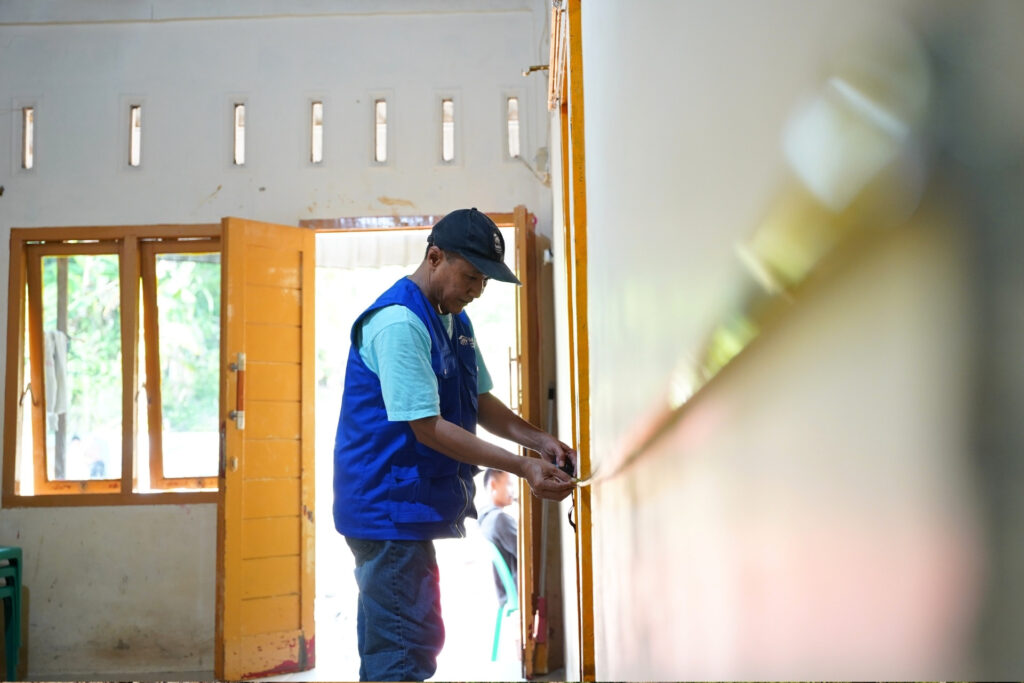
Habitat for Humanity Indonesia’s Project Management Support, Dwijo Andrijanto, conducts an in-depth assessment of houses with minor to moderate damage following flash floods and landslides in Sibolga. Photo: HFHI/Budi Ariyanto

Lightly damaged houses generally experience damage only to non-structural elements, such as ceilings or roof coverings, and are still safe to occupy. Moderate damage affects some structural and non-structural elements; these houses remain habitable but require prompt repairs to prevent further deterioration. Meanwhile, severe damage occurs when most building components are compromised, making the house unsafe to live in and often requiring complete reconstruction.

Read also: Habitat Indonesia Reaches 676 Families, Strengthens Post-Disaster Recovery in North Sumatra

What is retrofitting?

For houses categorized as light to moderate damage, Habitat for Humanity Indonesia applies the retrofitting method. According to siagabencana.com, retrofitting is a technique to strengthen or modify existing buildings by adding new elements without dismantling the entire structure. This approach allows homes to be repaired more efficiently and cost-effectively while significantly improving their resilience.

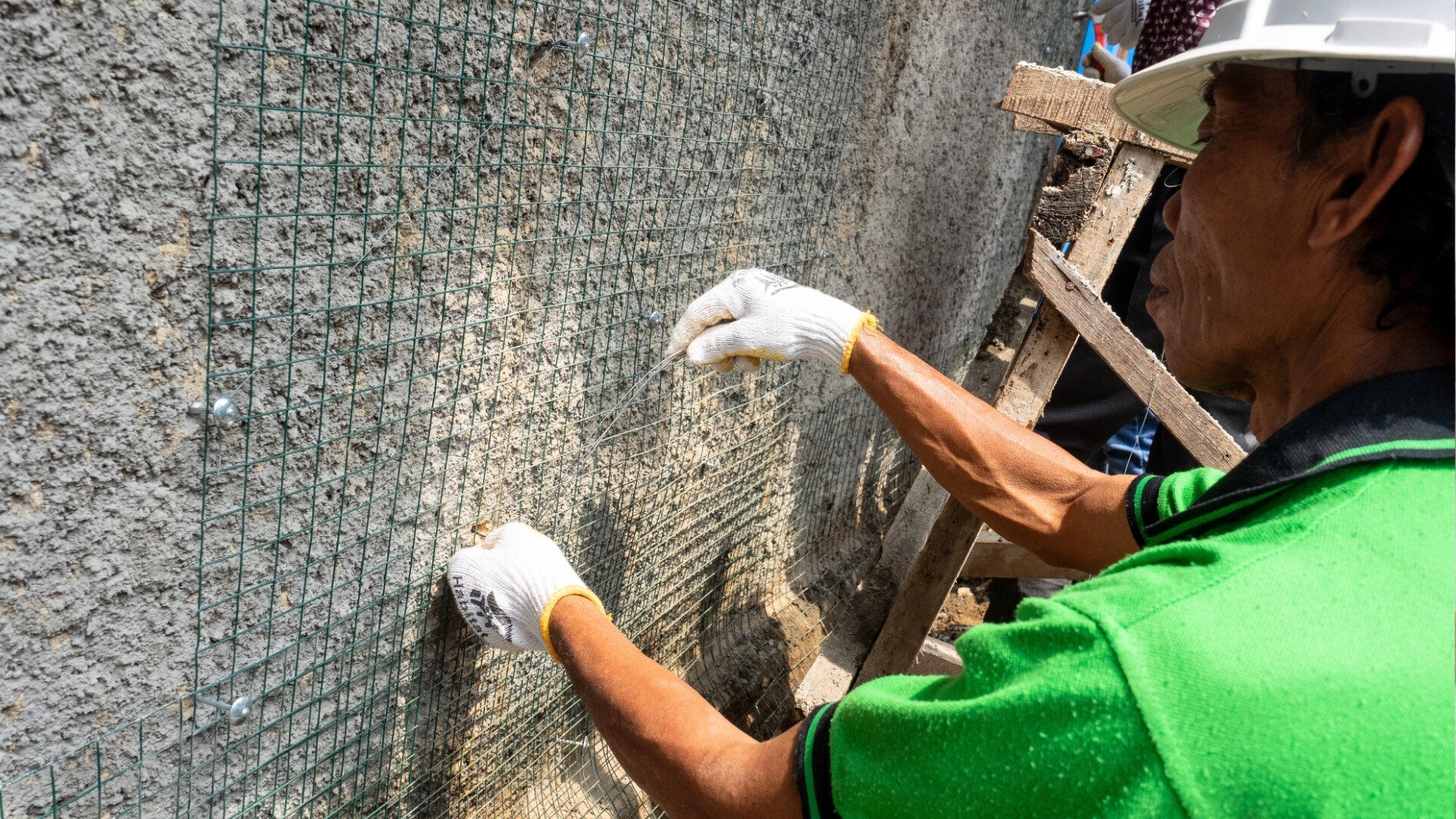
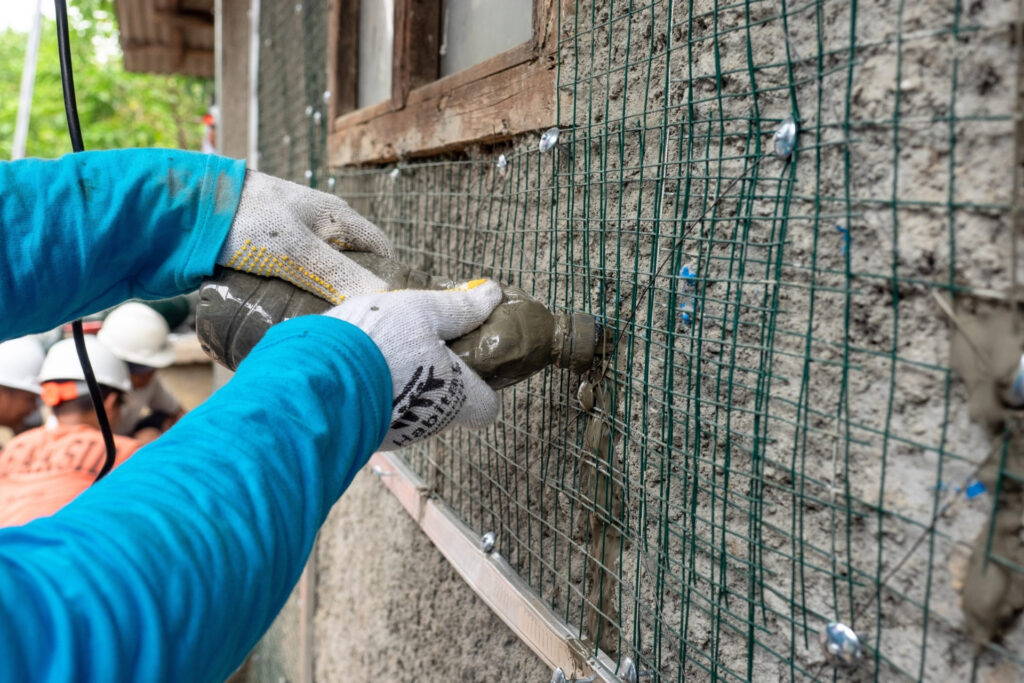
Implementation can take various forms, such as adding or thickening walls, installing wire mesh before plastering, or applying jacketing systems with additional steel reinforcement. These strategies aim to increase the structure’s strength, stiffness, and flexibility so that buildings can better withstand pressure or shocks during disasters. Arwin Soelaksono, Program Director of Habitat for Humanity Indonesia, who has experience working with the American Red Cross, notes that retrofitting can be carried out with relatively minimal funding while still effectively strengthening homes.

One example of the retrofitting method implemented by Habitat for Humanity Indonesia to strengthen house structures in Bogor Regency, Indonesia. Photo: HFHI/Kevin Herbian

As reported by Tempo, retrofit measures can even begin with simple steps such as patching wall cracks, injecting cement slurry, and tying load-bearing components together so the building functions as a unified structural system. Interestingly, this approach is not only used after disasters occur but can also serve as a mitigation measure for homes located in disaster-prone areas.

Through retrofitting, the recovery process does more than restore houses to their previous condition—it creates safer and more resilient homes for the long term. Habitat for Humanity Indonesia believes that rebuilding means building back better, so survivor families can move forward with a renewed sense of security.

For this reason, Habitat Indonesia continues to invite the public to participate in these post-disaster recovery efforts. Support from donors will help more families repair their homes and rebuild their lives with renewed hope.

Contribute through: kitabisa.com/campaign/bangunharapansibolga

Writer: Kevin Herbian

(kh/av)